- Pakistan says it never received adequate support in hosting millions of Afghan refugees over the years
- Pakistan urges Afghan government to end restrictions against women and girls, take action against militants
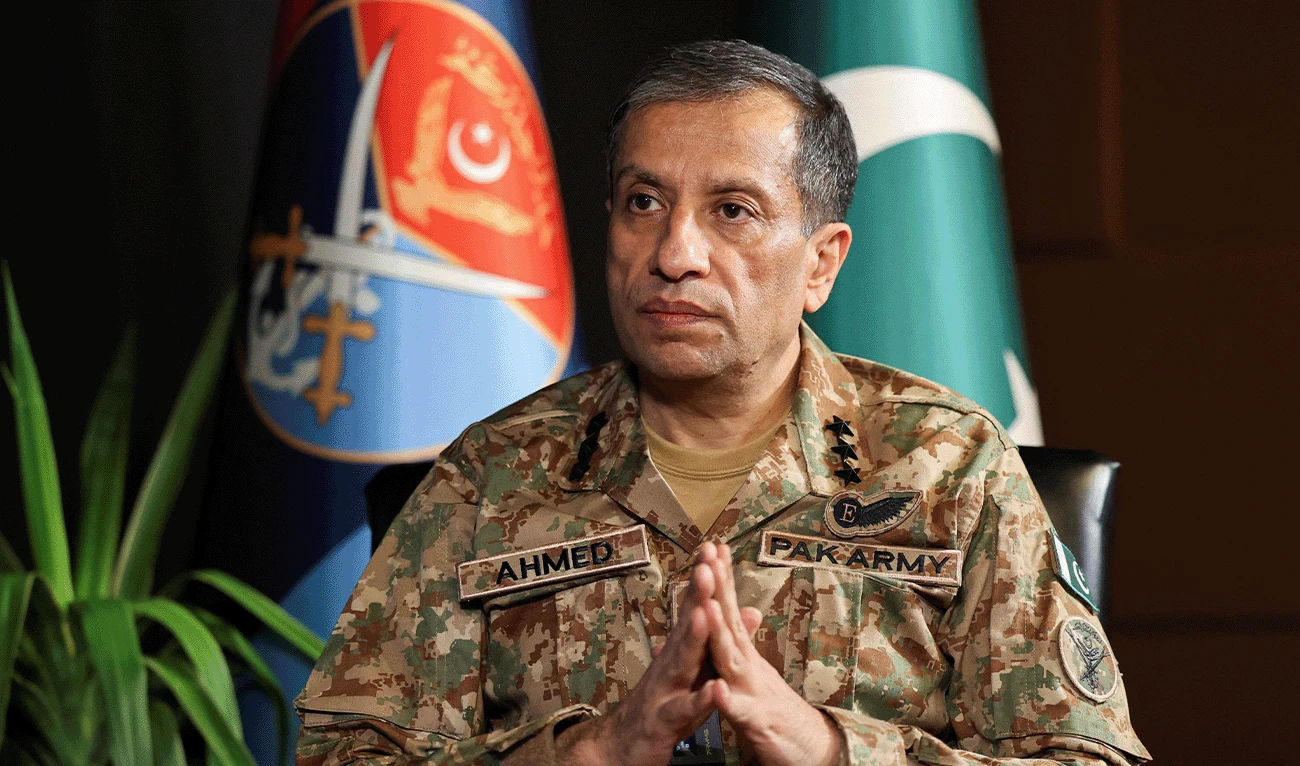
ISLAMABAD: Pakistan’s UN envoy this week urged the international community to “step up” and shoulder its responsibility in facilitating vulnerable Afghan refugees, urging Kabul to act against militants and end restrictions against women and girls in the country.
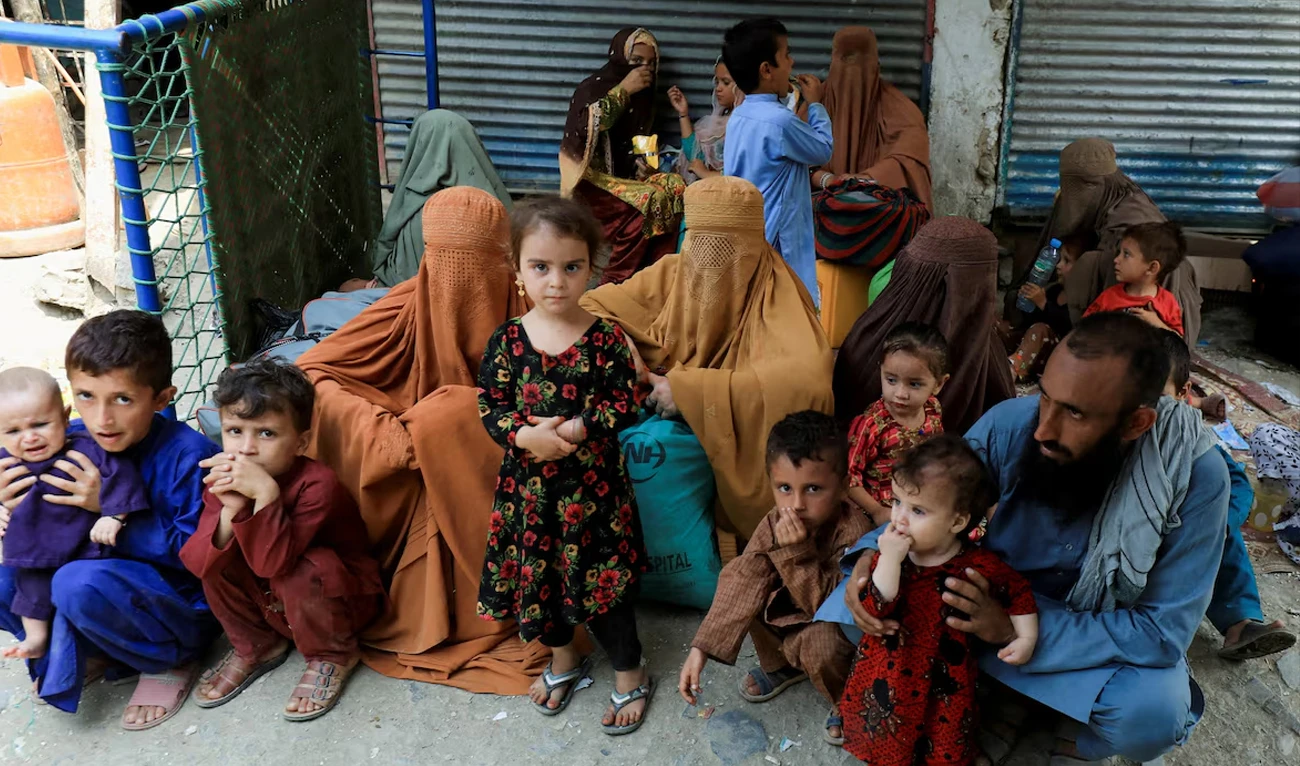
Pakistan has hosted millions of Afghans since the Soviet invasion of Afghanistan in 1979, through subsequent decades of war and the Taliban’s return to power in Kabul in 2021. However, Pakistan launched a deportation drive in 2023 to expel undocumented citizens, citing security and economic reasons. The drive has since been expanded to include Afghans carrying government-issued documentation that had previously allowed them to remain in Pakistan.
Pakistan has always maintained that it has received inadequate financial support from the international community in hosting millions of Afghan refugees over the past 40 years. Since 2023, the government maintains it has deported over 2.4 million Afghan refugees.
“Pakistan has urged the international community to shoulder its responsibilities toward vulnerable Afghan refugees and support efforts for a stable and peaceful Afghanistan,” Counsellor Muhammad Jawad Ajmal said at an Interactive Dialogue at the UN General Assembly on the human rights situation in Afghanistan on Friday.
Ajmal noted that Pakistan had hosted millions of Afghan refugees over several decades, often in the absence of “adequate international support.”
“While Pakistan continued to facilitate vulnerable Afghans within its available capacity, he stressed that the international community must step up and share the responsibility of addressing the refugee situation,” the permanent mission of Pakistan to the UN said in a statement.
Ties between Pakistan and Afghanistan have remained strained over the past couple of years. Pakistan blames Afghanistan for facilitating militant attacks allegedly launched from its soil against Pakistani law enforcers and civilians. Afghanistan denies its soil is used for the attacks and urges Islamabad to resolve its security challenges internally.
Ajmal blamed the Afghan government for supporting militant outfits such as Daesh, Al-Qaeda, the Tehreek-e-Taliban Pakistan and separatist Baloch Liberation Army.
“He highlighted the nexus between the Taliban and these groups, as well as the role of external actors supporting proxy elements targeting Pakistan and other neighboring countries,” the statement said.
Ajmal stated that over 4,700 Pakistanis have been killed over the past three years in “terrorist” attacks that originated from Afghanistan.
“He said that Pakistan would exercise its right to self-defense, whenever necessary and in accordance with international law, against any threat to its citizens and national security,” the statement said.
The Pakistani envoy urged the Afghan government to end restrictions against Afghan women and girls, saying they reflected Kabul’s move to retreat from its international commitments.
The Taliban administration has imposed a series of restrictions on women that the United Nations has characterized as “gender apartheid.”
Girls cannot study beyond primary school, a policy the Taliban authorities justify based on their interpretation of Islamic law. As per the UN, around 2.4 million girls in Afghanistan have been denied access to secondary education since the Taliban returned to power in 2021.
“Such discriminatory and abusive practices, he stressed, were also inconsistent with Islamic laws, traditions and the fundamental tenets of the Muslim faith,’ the Pakistani mission’s statement said.