Returning Haj pilgrims are busy shopping for their favorite dates: Ajwa dates — a well-known, well-loved and delicious gift from the Kingdom. The stores in downtown Jeddah, Makkah and Madinah are busy selling all kinds of dates, with many pilgrims stopping by to see what all the fuss is about.
The prices of dates –specifically, the Ajwa dates — have increased by nearly 25 percent due to a shortage of farm laborers in harvesting regions, particularly in Madinah. This is largely the result of the implementation of new labor policies affecting both farms and vendors in the Kingdom. The conditions imposed by the Ministry of Labour to recruit seasonal workers in date farms has affected farms throughout the Madinah region, whereas associated rules for vendors have affected shops in Jeddah, Makkah and Madinah, according to local traders.
In the past, good quality Ajwa dates were sold for SR 110 per kilogram; now, they are being being sold for SR140 or above. Simultaneously, average quality dates that used to sell for SR 60 are now fetching prices between SR80 and SR100.
“Farmers in the Madinah region have been complaining about a shortage of labor in the area, as well as strict procedures to recruit temporary foreign labor to work in date farms as part of new labor policies that have significantly affected the logistics associated with the date harvest”, according to traders in Jeddah.
These Ministry changes have forced shop owners to comply with the new rules that have increased their shop-keeping costs, as well as increasing costs for other stakeholders in the date market.
Traders also told Arab News on the condition of anonymity that inspection teams from the Ministry of Commerce recently raided several shops that were selling substandard quality dates, and initiated penal measures against fraud vendors for tricking customers, mainly pilgrims.
The history of the Ajwa variety dates back to 5,000BC and is part of ‘Tibwi Nabvi,’ the medicinal practice of the Prophet Muhammad (peace be upon him). There are several references in Hadith and Islamic historical literature about Ajwa: Prophet Muhammad (peace be upon him) is reported to have said, “One who takes seven Ajwa dates in the morning remains under the protection of Allah from evil and from poison for whole of the day.”
Many strongly believe in the remedial therapy of Ajwa as it was advocated by the Prophet Muhammad (peace be upon him), in particular, women believe that it prevents black magic and, as such, most female Haj pilgrims prefer to take Ajwa dates with them to present as gifts to their loved ones who are suffering from various illness.
Like other dates, Ajwa also ripens during the peak of summer, and it is kept in cold stores in order to enable continued availability throughout the year, especially during Haj and Ramadan. Unfortunately, most vendors sell dates in the open air, with constant exposure to the sun and heat, causing the dates to lose both taste and monetary value.


![]()
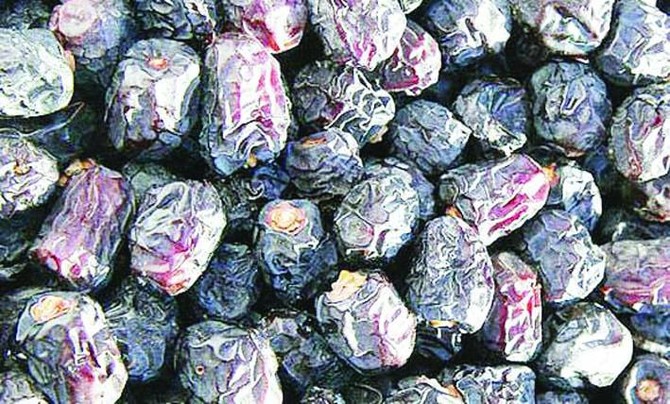
Ajwa dates hit by labor rules and price increases
Ajwa dates hit by labor rules and price increases
Latest updates


Recommended


© 2026 SAUDI RESEARCH & PUBLISHING COMPANY, All Rights Reserved And subject to Terms of Use Agreement.