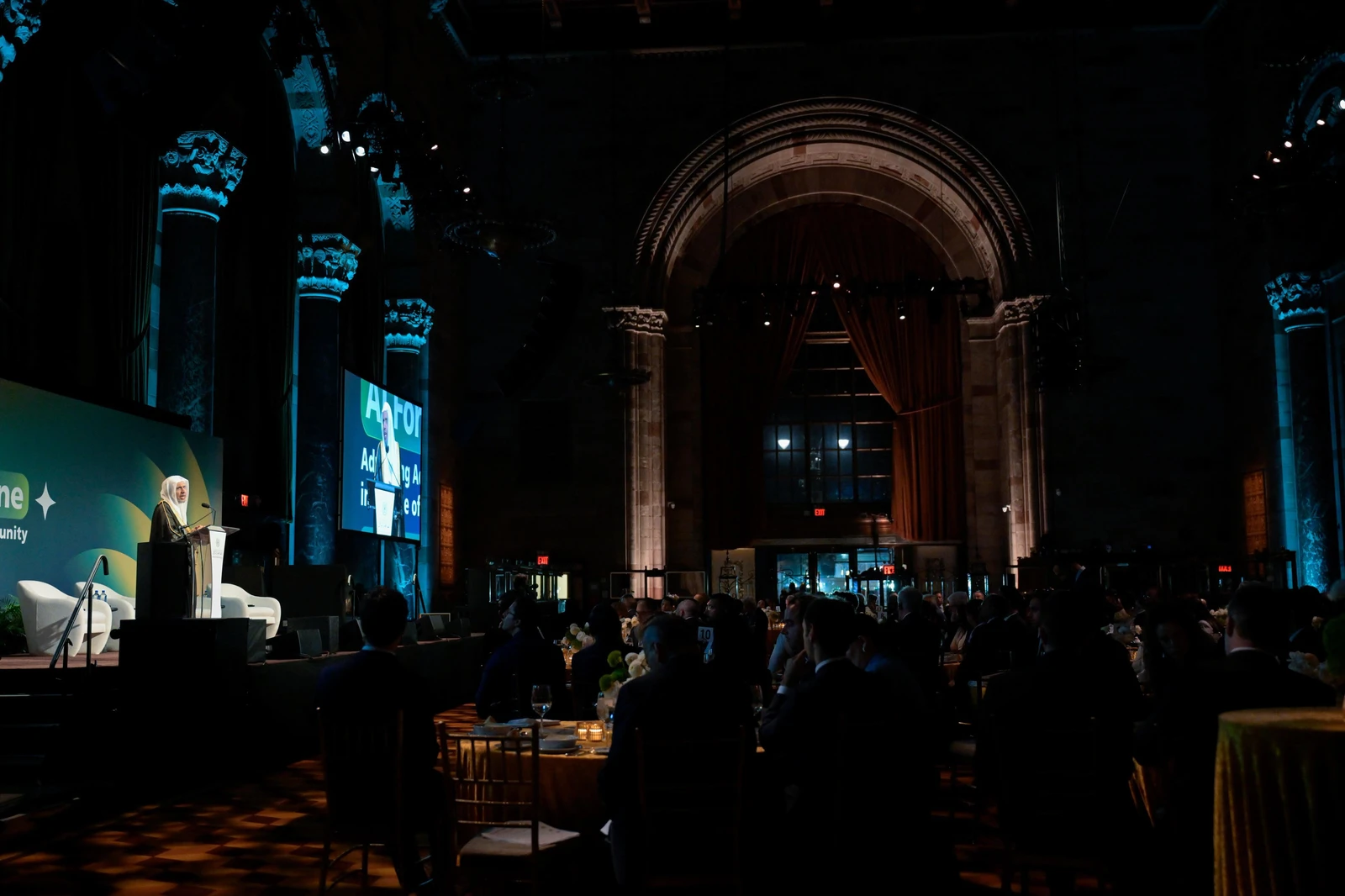
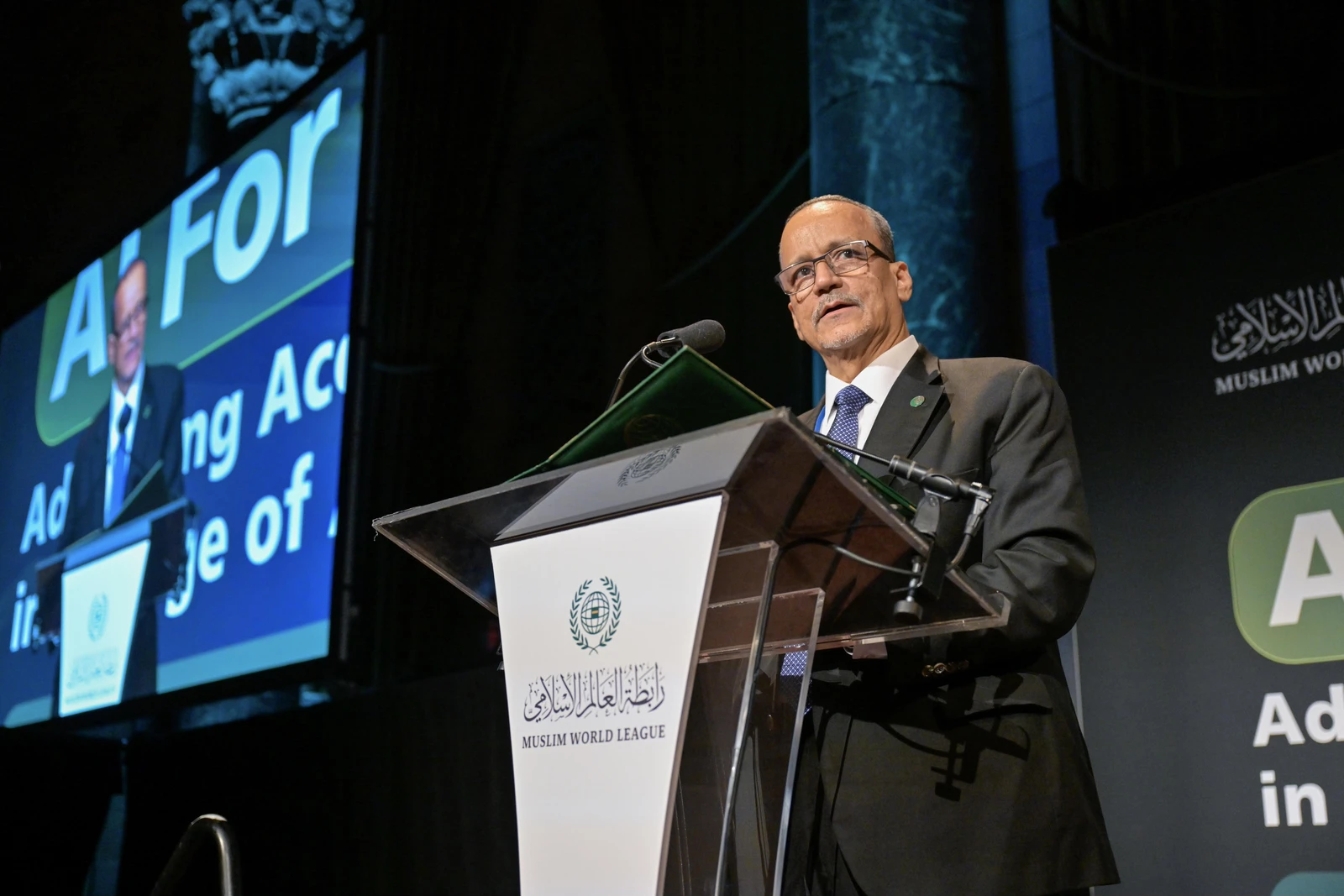
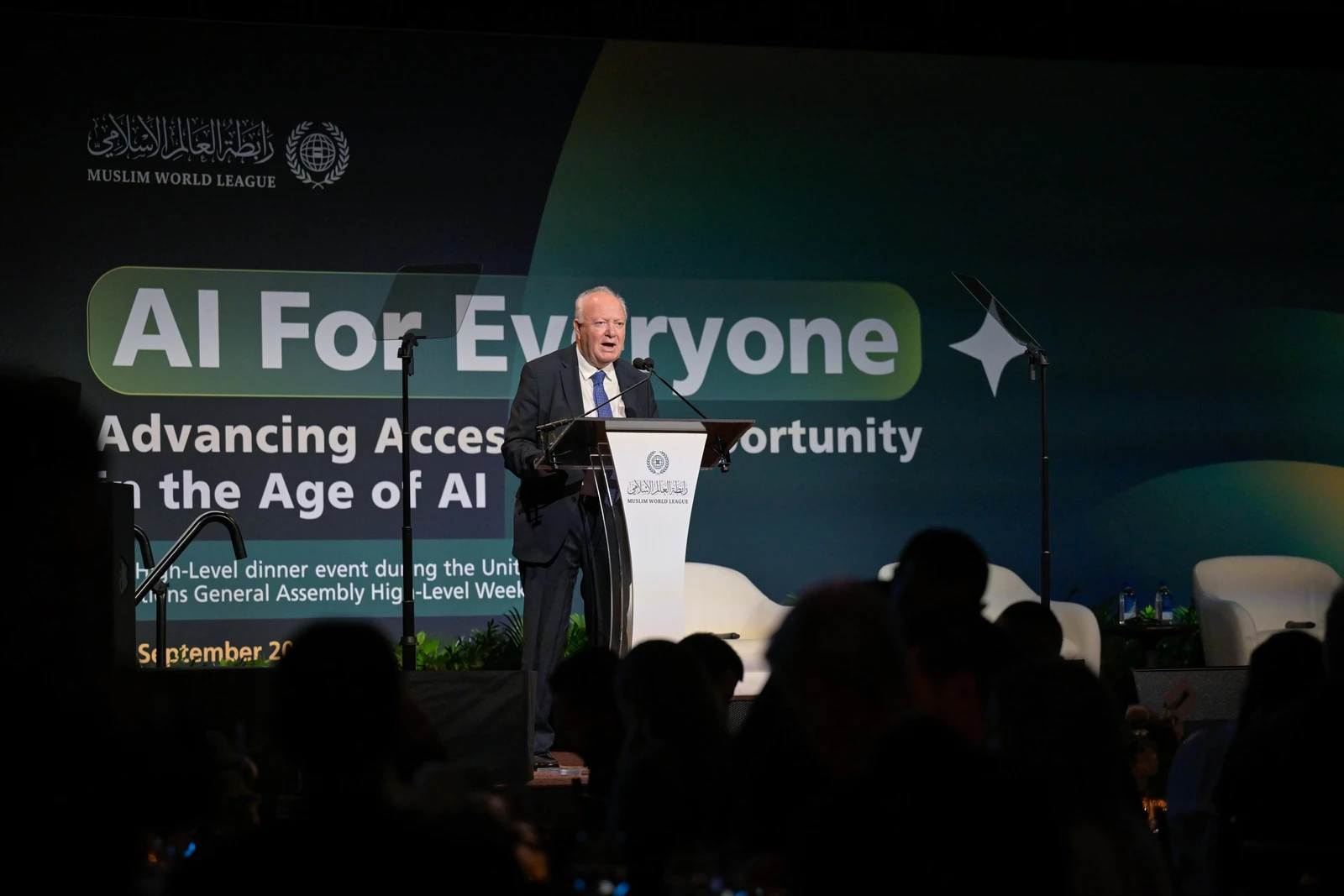
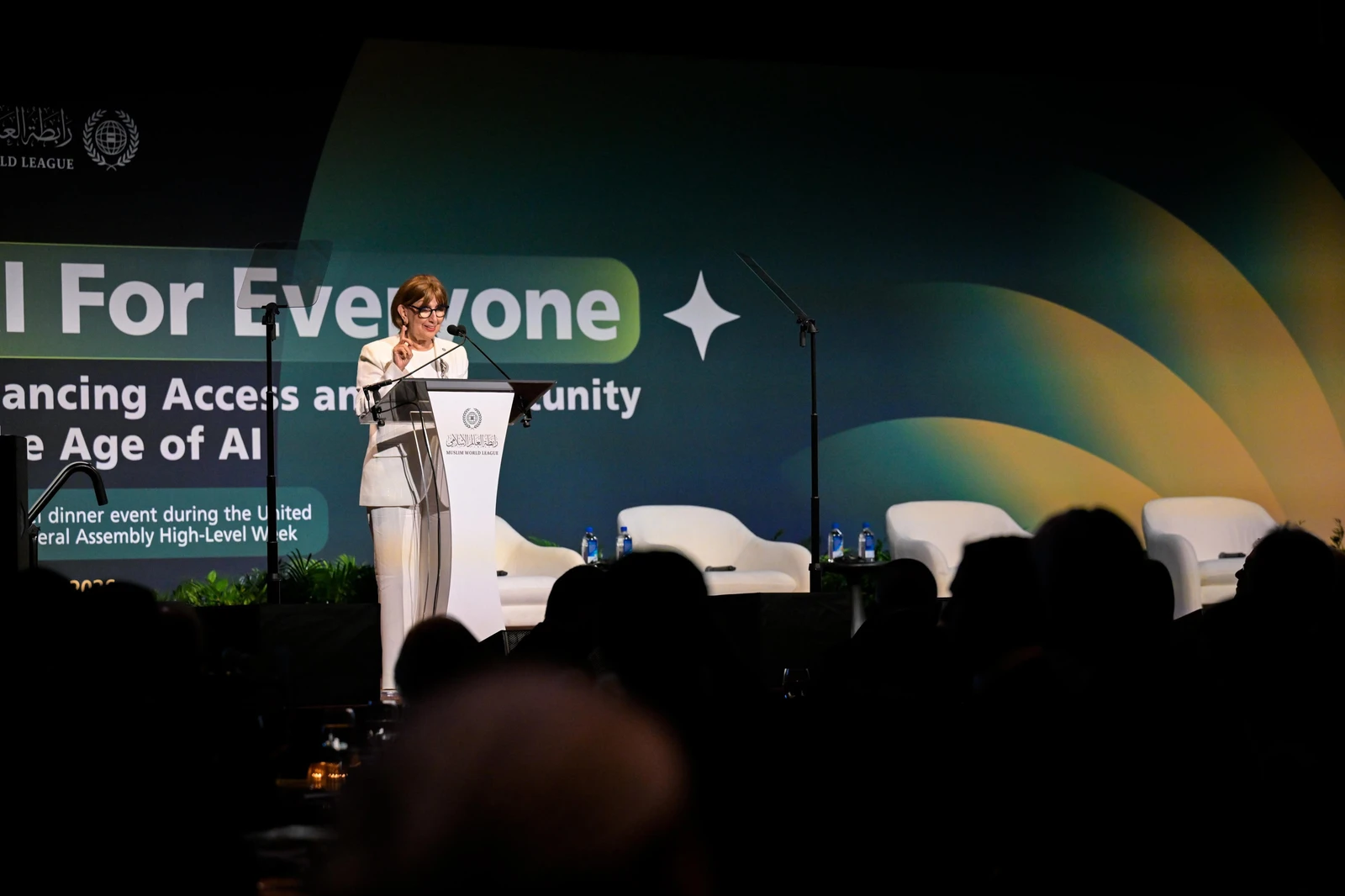
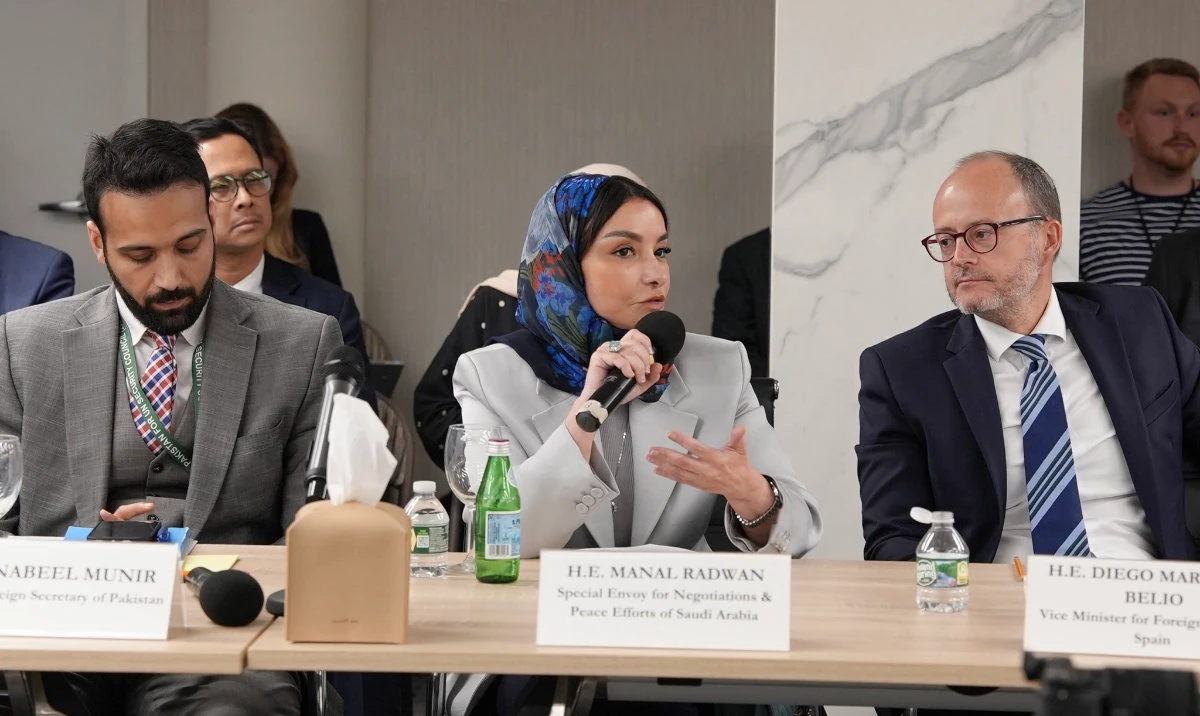
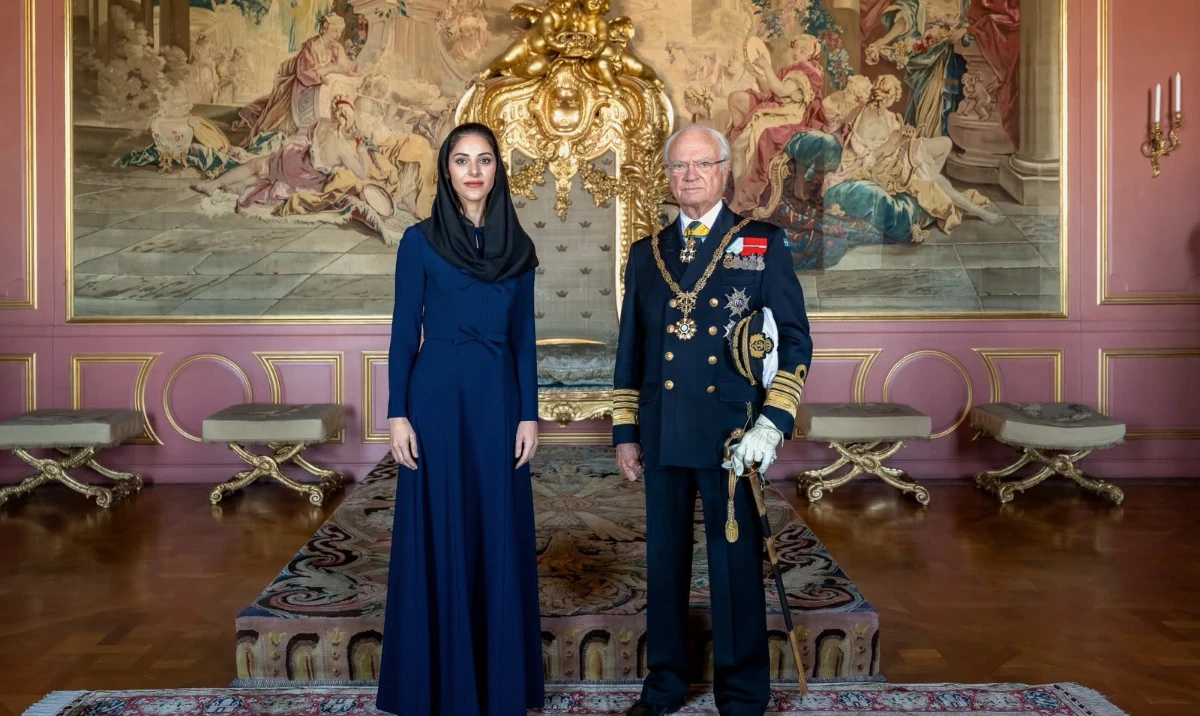
The Muslim World League on Thursday hosted an event titled “AI for All: Faith, Human Dignity and Artificial Intelligence” on Thursday with the support and participation of the UN, during the high-level week of the UN General Assembly.
The event was attended by MWL Secretary-General and chairman of the Muslim World League’s Association of Muslim Scholars Sheikh Mohammed bin Abdulkarim Al-Issa, UN High Representative for the Alliance of Civilizations Miguel Moratinos and Secretary-General of the Organization of Islamic Cooperation Ismail Ould Cheikh Ahmed.
The gathering also brought together religious leaders involved in AI ethics research, representatives of major US AI companies, the World Bank, leading American universities and prominent candidates for the position of UN secretary-general.
A key focus was the importance of diverse international participation in addressing AI ethics, including religious and civilizational perspectives, and their shared ethical principles.
The event examined AI-generated content that supports or encourages hatred, violence and civilizational conflict driven by ideological, religious or related intellectual motives.
The conference concluded with a recommendation that the UN Alliance of Civilizations develop an “Alliance of Civilizations Code of Ethics for AI” and establish a committee led by the organization for that purpose.
The proposed committee would include a diverse group of religious leaders, intellectual, educational and legislative experts, as well as representatives of technology companies, with the aim of developing a common international framework reflecting civilizational cooperation on AI ethics.
Moratinos said the Alliance of Civilizations was ready to undertake the initiative.
Al-Issa separately announced that the MWL plans to establish an AI laboratory in cooperation with technology companies to develop programs that could benefit religious, educational and humanitarian institutions working on religious affairs.
He also said the organization would work to digitize a number of Islamic and Arabic sources and books, and make them available to AI companies, while respecting intellectual property rights.
Al-Issa also announced plans to establish a dedicated unit to monitor and correct translation errors, and share the findings widely.
He said numerous errors had been identified in the translation of Islamic texts and related scholarship, leading to concepts and interpretations that did not reflect the truth, and had resulted in mistaken perceptions and beliefs.
Latest NewsPakistan
Pakistan PM urges US-Iran de-escalation in UN talks with PezeshkianMuslim World League hosts New York event on ‘AI for all’