- Companies explore partnerships, investment, export opportunities as Kingdom expands domestic production
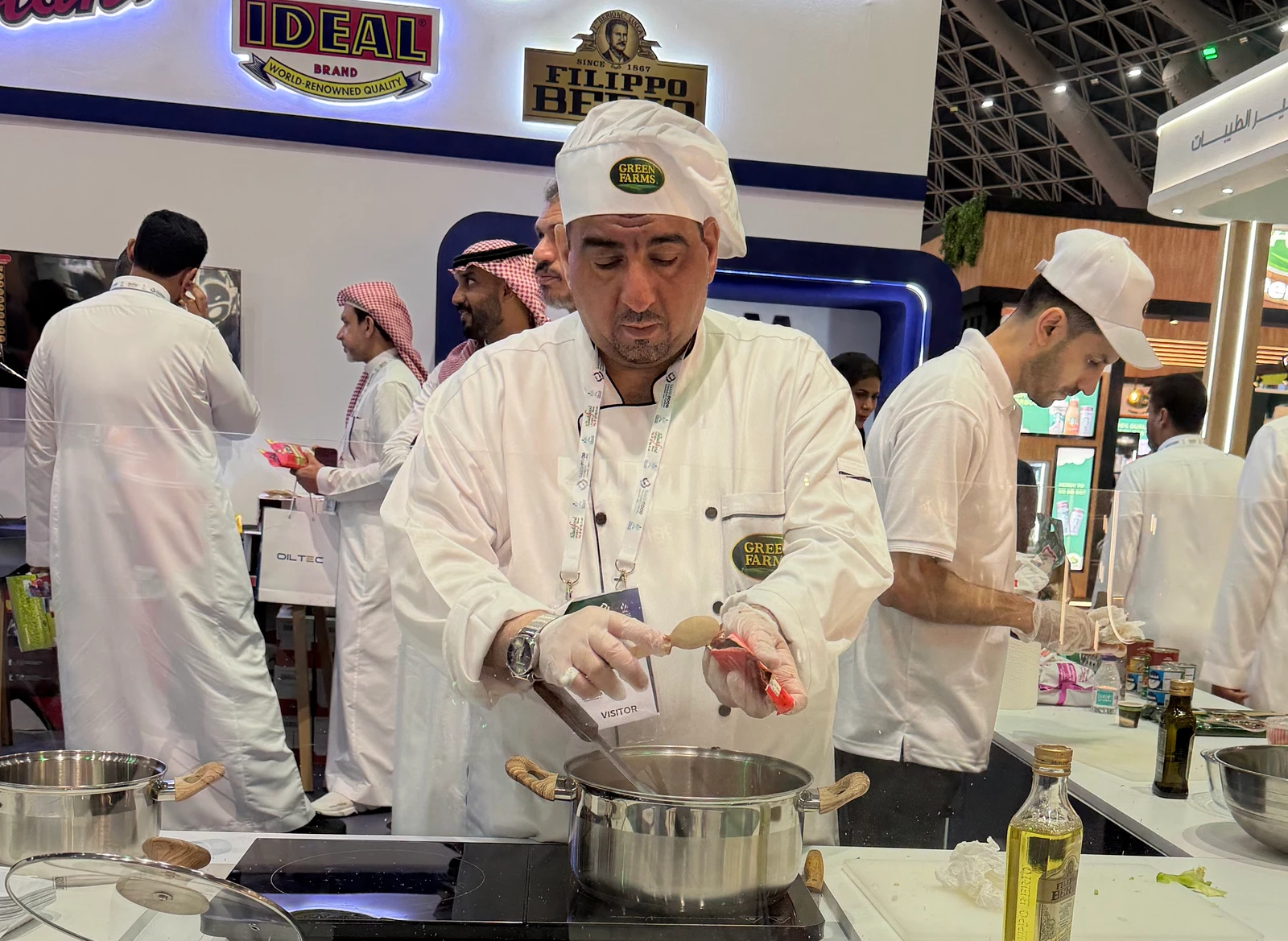
JEDDAH: Saudi food businesses and international companies are using The Saudifood Show and Saudifood Manufacturing expo in Jeddah to expand partnerships, reach customers and explore opportunities in the region’s food market.
The opening, at the Jeddah Superdome, was attended by Vice Minister of Industry and Mineral Resources for Industrial Affairs Khalil bin Salamah, and Majed Al-Argoubi, CEO of the Saudi Authority for Industrial Cities and Technology Zones.
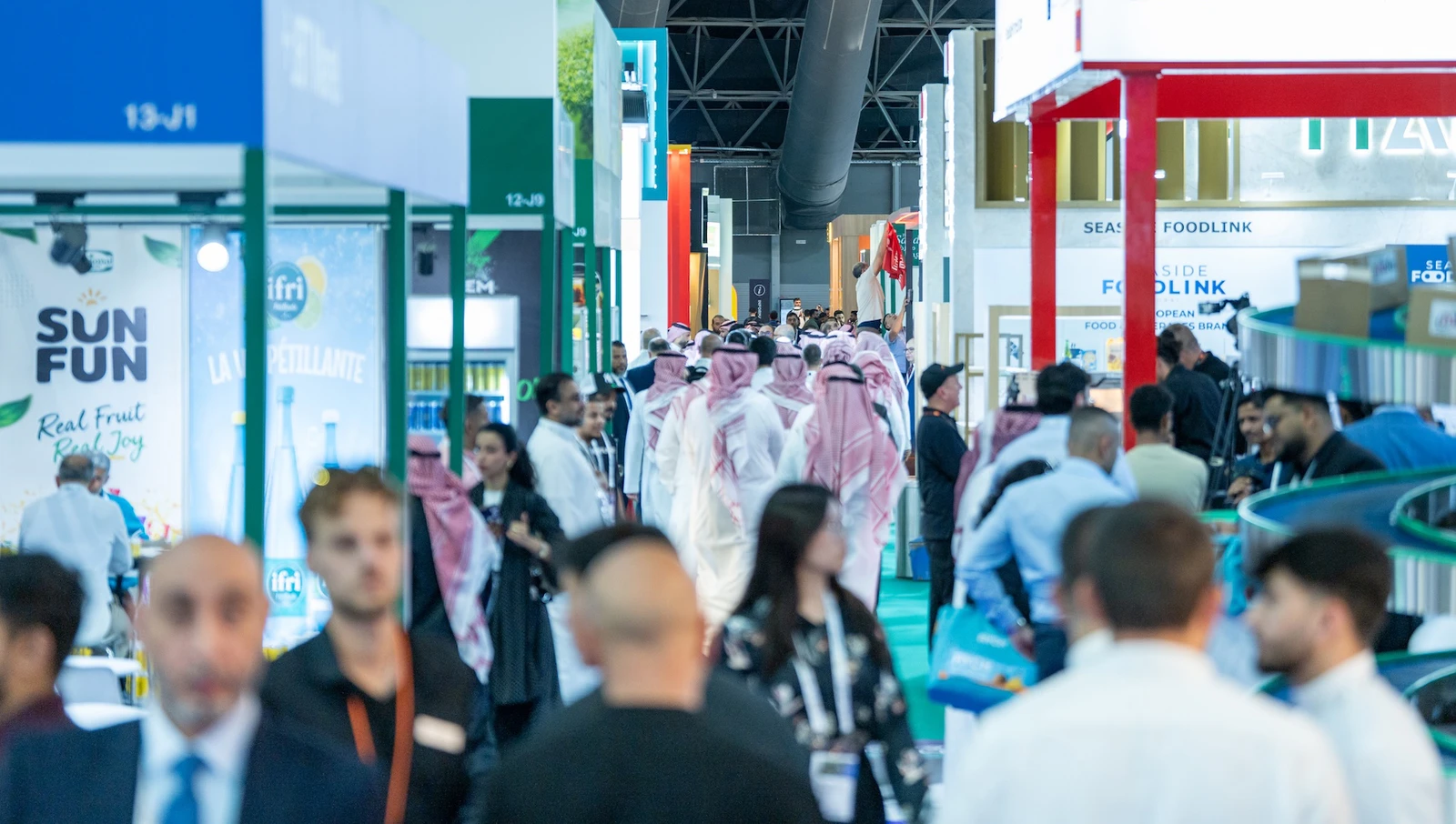
More than 1,000 exhibitors from over 95 countries are showcasing more than 100,000 food and beverage products, technologies and solutions to buyers, manufacturers, distributors, investors and policymakers from Saudi Arabia and international markets.
With more than 35 national pavilions, participants have come from countries including Turkiye, India, Jordan, the US, Uzbekistan, Tunisia and Italy. The events run until Sept. 29.
Saudi Arabia is pursuing Vision 2030 goals to strengthen food security, expand local manufacturing and attract investment in the sector. The Kingdom is targeting $20 billion in investment in its food industry by 2035. Food retail sales reached about $59 billion in 2025 and are expected to grow by about 4 percent in 2026. The Kingdom imported more than $33 billion in food and agricultural products in 2025, including $17.4 billion in consumer-oriented food products. The Kingdom’s food-packaging market is projected to reach $2.63 billion by 2034, growing at 4.08 percent.
Nageeb Al-Aghbari, the CEO of Saudi food distributor OKAM, sees the gathering as a chance to assess opportunities and connect with businesses seeking to enter or expand in the Saudi market.
He said: “I can see today that the exhibition is full of so many people coming from all over the world. We are meeting different people from different countries who are looking for other companies to be collaborating with in Saudi Arabia.”
Al-Aghbari said the international turnout had also created opportunities for potential collaborations, and added: “We are working in the rice and tuna businesses. We have so many suppliers from all over the world.”
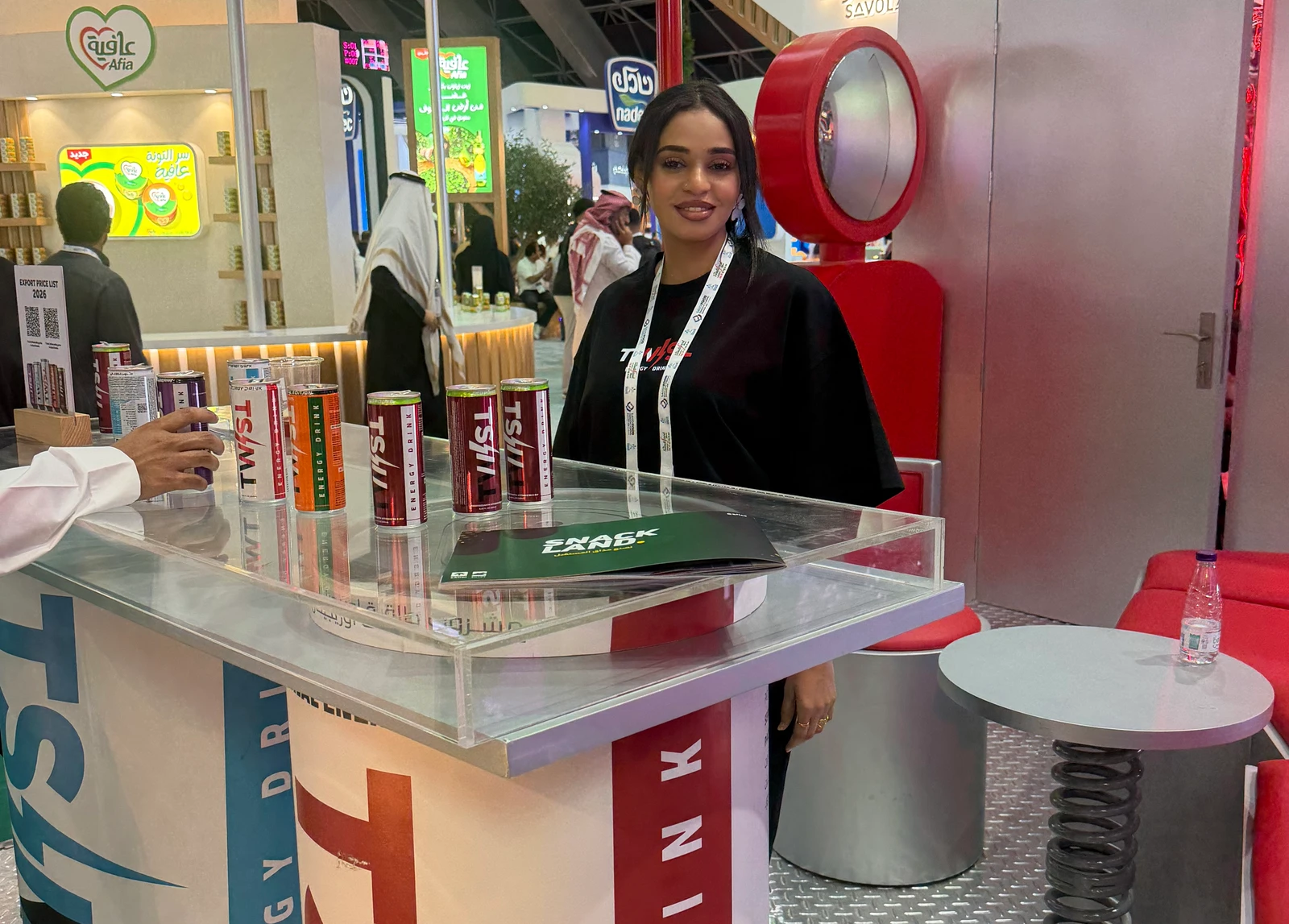
Snack Land MENA, which is participating for the third time, is also seeking to expand in the Saudi beverage market. Hany Haggag, its KSA operations director, said the company produces energy drinks and carbonated soft drinks and sees the Kingdom as an important market.
Haggag said: “We have a very big competition in the Saudi market. We have original players in the market, but I hope we are doing the success story like we did in Egypt.”
It is also giving the company an opportunity to present to different markets, and Haggag added: “I believe it’s a very good chance to present our products for many countries, for many languages, for many cultures.”
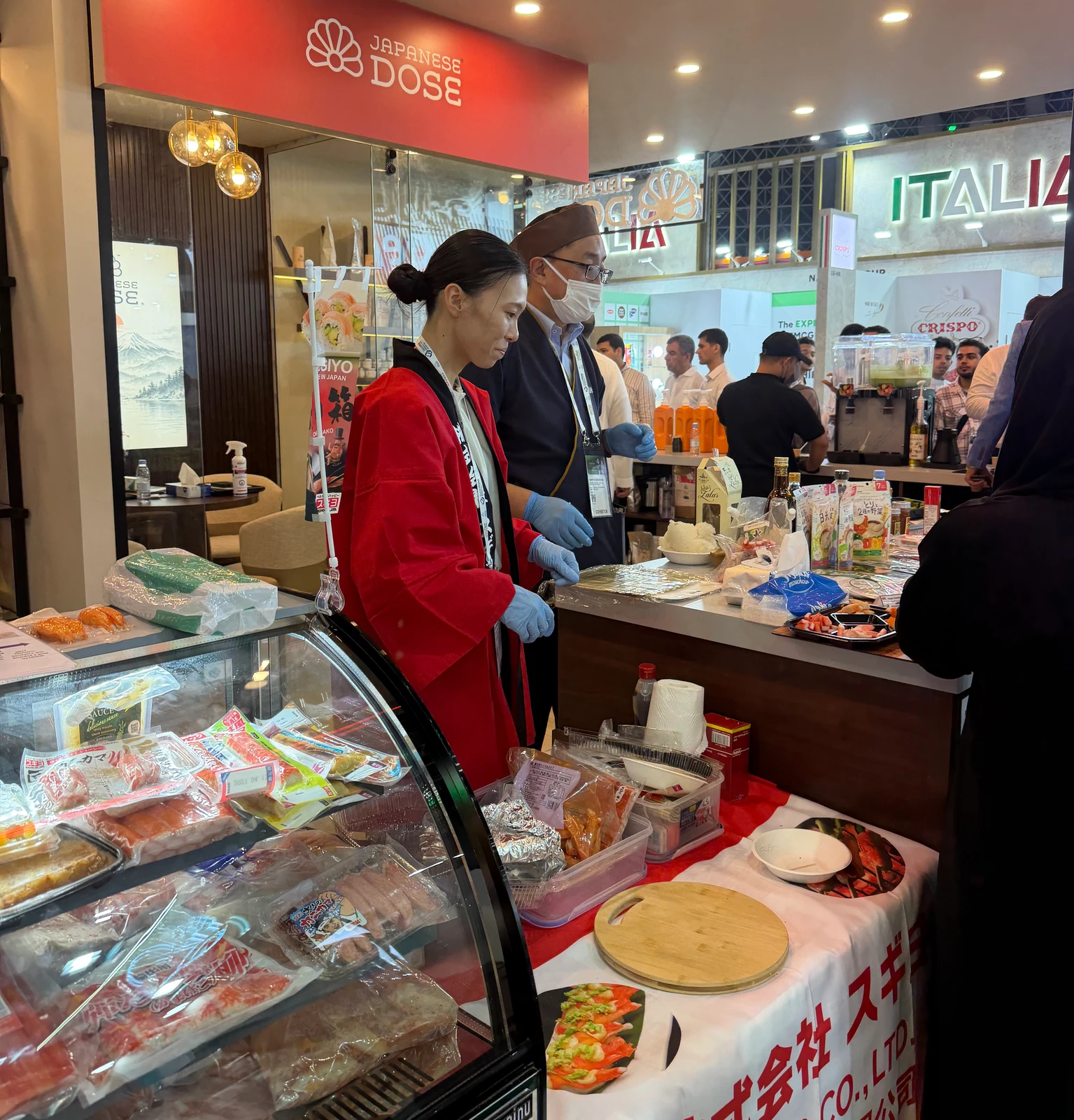
For Japanese Dose, the focus is on connecting with buyers interested in Japanese and Asian food products. The company imports Japanese food ingredients and sauces, as well as drinks from China, according to CEO and founder Jameel Al-Madani.
He said the event could help turn meetings with customers into commercial agreements.
Durrah Advanced Development Co. is using the event to expand its domestic and export business. CEO Faycal Benameur said the company had more than 50 percent of the Saudi sugar market across industrial, wholesale and retail sections, adding: “Saudi Arabia has become not only a powerhouse for domestic manufacturing, but also for the export of finished goods in the region and neighborhood.”
The company’s refined sugar is labeled “Saudi made.” Benameur said Durrah had also signed several annual contracts during the event with clients in Jordan, Palestine, and East Africa, including Djibouti, Ethiopia, Kenya and Tanzania.
For international companies, the size of the Saudi market is creating opportunities to establish or expand their presence in the Kingdom.
Seda Khunkaeva, founder of Nature’s Own Factory, said the Dubai-based company produced bean-to-bar chocolate, from roasted cacao beans through to packaging, as well as natural teas.
Khunkaeva said: “We came to the Saudifood Show to find new opportunities for us, (and) present our product in the Saudi Arabian market.” She added that the company had already met potential buyers.
Alyaan Hussain, managing director of Marhaba Frozen Foods, said the Indian company had supplied halal frozen meat to Saudi Arabia for more than 10 years and currently exported 40 to 50 containers to the Kingdom each month.
He said the company had entered a joint venture worth nearly $10 million with a Saudi importer and planned to establish its own company in the Kingdom.
“We can see the potential of the market,” Hussain said.
The growing presence of Saudi food companies is reflected across the exhibitions, according to Mark Napier, vice president of exhibitions at events organizer inD Group.
Napier told Arab News: “The large and ever-growing presence of Saudi food companies reflects the investment companies have made in high-quality, innovative products.”
He said the investments were positioned to benefit from the Kingdom’s focus on food security, domestic production and consumer demand.
International participation is also significant, and Napier said more than one-third of those attending were from overseas.
“You can see on the show’s floor how many international buyers are here,” he said.
Napier said international connections could help Saudi food businesses prepare products for overseas markets by improving their understanding of food safety, regulatory compliance, labeling and packaging requirements.
The decision to host the event in Jeddah highlights the city’s role as a trade and logistics hub. Organizers said Jeddah handles about 75 percent of Saudi Arabia’s maritime trade, providing access to markets across the Middle East, Africa, Asia and Europe.
With Saudi-made products displayed alongside international brands and food manufacturing technologies, the event brings together different parts of the sector as the Kingdom seeks to strengthen domestic production and expand links with regional and global markets.