RIYADH: With alarms and missile interceptions sounding out across the Kingdom recently, pet owners in Riyadh are sharing advice on how they keep their furry friends calm during conflict.
Mai Sulieman, who lives in the capital and has three rescue cats, told Arab News: “It took around two hours to calm (my cats) down. I wasn’t afraid of the sounds or alarms going off on my phone, but they don’t understand like humans do; they are naturally afraid of any new loud noises, and even the shaking of the windows or walls.”
According to Maj. Gen. Turki Al-Malki, spokesperson for the Saudi-led coalition, the Houthi militia has carried out 20 attacks targeting Riyadh’s King Khalid International Airport this month.
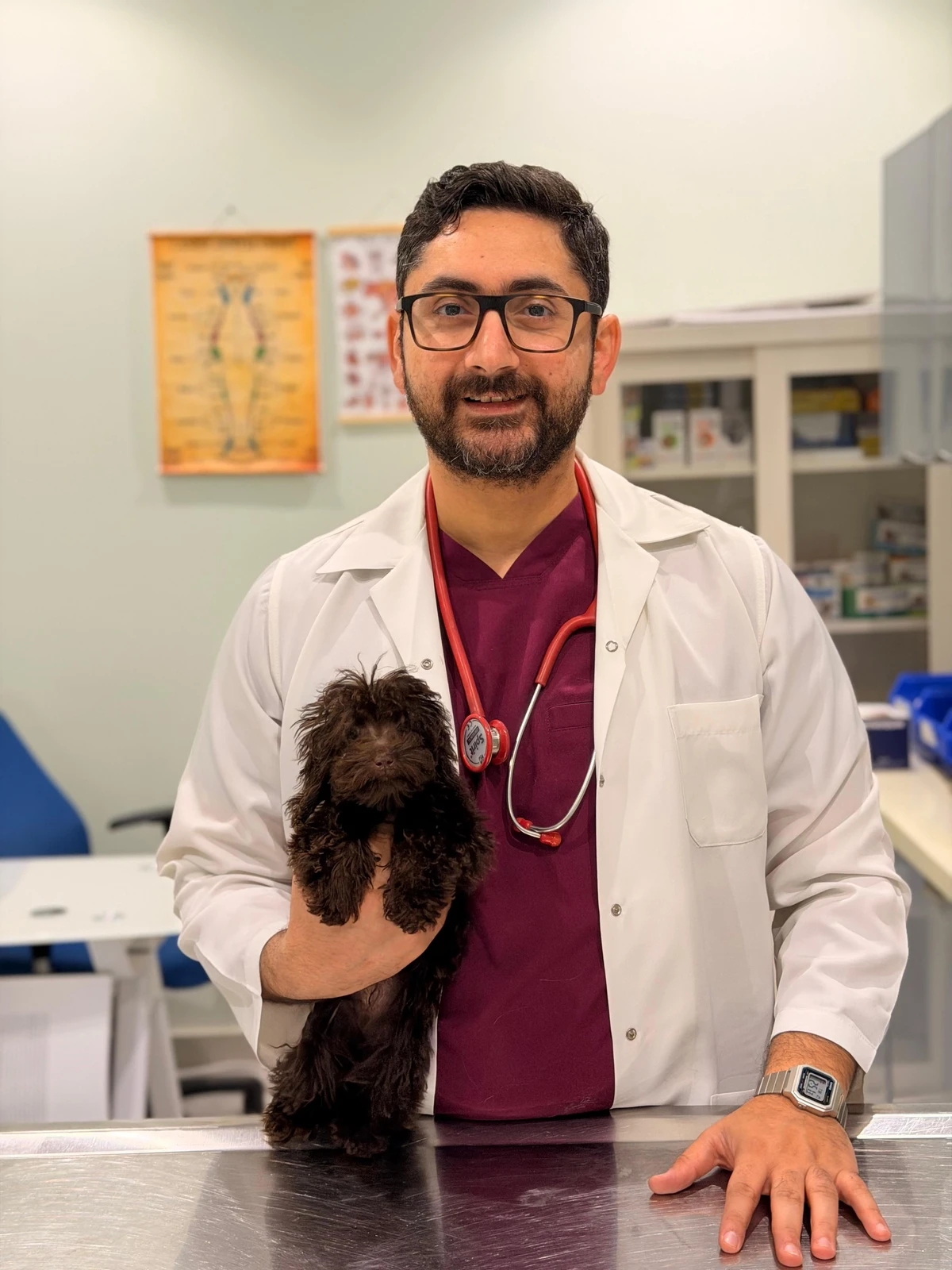
Mohamed Adel Moussa, a senior veterinary surgeon at North Paws Veterinary Center in Riyadh, explained the impact that loud noises can have on animals.
“The perception of any unusual external stimulus will activate the fight-or-flight instinct in pets, which means the pet will be prepared to protect itself or seek shelter,” he said. “In comparison to humans, they process these emotions quite fast. This means their actions (can) be unpredictable to their owners.”
When asked about the early warning signs of acute stress or panic in pets, Moussa noted that reactions vary significantly depending on the animal, but can include “vocalizations and moving around faster than usual.”
Other signs that pet owners can look out for are any change in behavior or “hiding, or even trying to alert their family of something is about to happen,” he added.
Animals including cats and dogs have a significantly broader hearing range than humans, allowing them to detect low-frequency ground vibrations — giving them a heads-up to “prepare themselves,” Moussa said — and high-pitched sounds long before their owners notice them.
Cats possess the most acute high-frequency hearing among pets, allowing them to detect noises up to 85 kHz. The average human limit is only 20 kHz.
Because their ears are sensitive, sudden loud alarms or explosions can be overwhelming, instantly sending them into a state of panic or fear.
Sulieman described how her cats reacted the first time they heard missile interceptions over northern Riyadh.
“(My young female cat) was frightened,” Mai said. “Her fur stood up, and she was shocked by the sound. She’d never heard anything like this before. I held the cats close to calm them down and tried to give them treats, but they were too anxious. After an hour of sitting in my closet, reassuring them, and petting them, they finally calmed down. I think they just needed to feel safe, to know that I was safe, and then they settled.
“Honestly, the attacks and alarms don’t last long, so it’s reassuring to know we are safe in a country that has such a strong military,” she continued.
Moussa explained that animals might tense their muscles to increase their body temperature to release more hormones to enable them to run faster, howl or meow nonstop to get your attention, or start to search for an escape.
“They will try actively to remove themselves from the danger zone before it’s even close to them,” he said.
Moussa explained that “as a pet owner, you should have a safe space for your pet, a place your dog or cat considers a comfort zone with some of his favorite belongings always ready. It could be a part of the couch or a special room in the house.”
He explained: “If you notice behavioral changes, you should take your pet calmly to that spot and stay with them while maintaining physical contact or eye contact and speaking to them softly to divert their focus from the external stimuli. Your pet looks at you as their savior and friend; try not to show signs of distress because they can sense the stress in you.”
Moussa said that most pets recover quickly after being comforted by their owners. As soon as the stressful situation passes, they should gradually return to their normal routine.
“A very small percentage of pets suffer from PTSD , which can be managed by proper care and supervision during disturbing times,” he added. “If the symptoms persist and can’t be overcome by management alone, medication can be provided by your family veterinarian to ease their reactions.
“In conclusion, dogs and cats see the parts of the world we show them,” he said. “It’s not always calm and quiet. Sometimes it’s loud and stressful.”
Moussa underlined that it is a pet parent’s role to provide care and love no matter what is happening around them and to let their furry friends know that they will not be abandoned and “are truly part of our family because we are the only family they know.”
How Saudi pet owners are keeping their animals calm during Houthi attacks