- University’s president affirms commitment to supporting joint Arab security efforts, strengthening position as specialized academic institution in security sciences
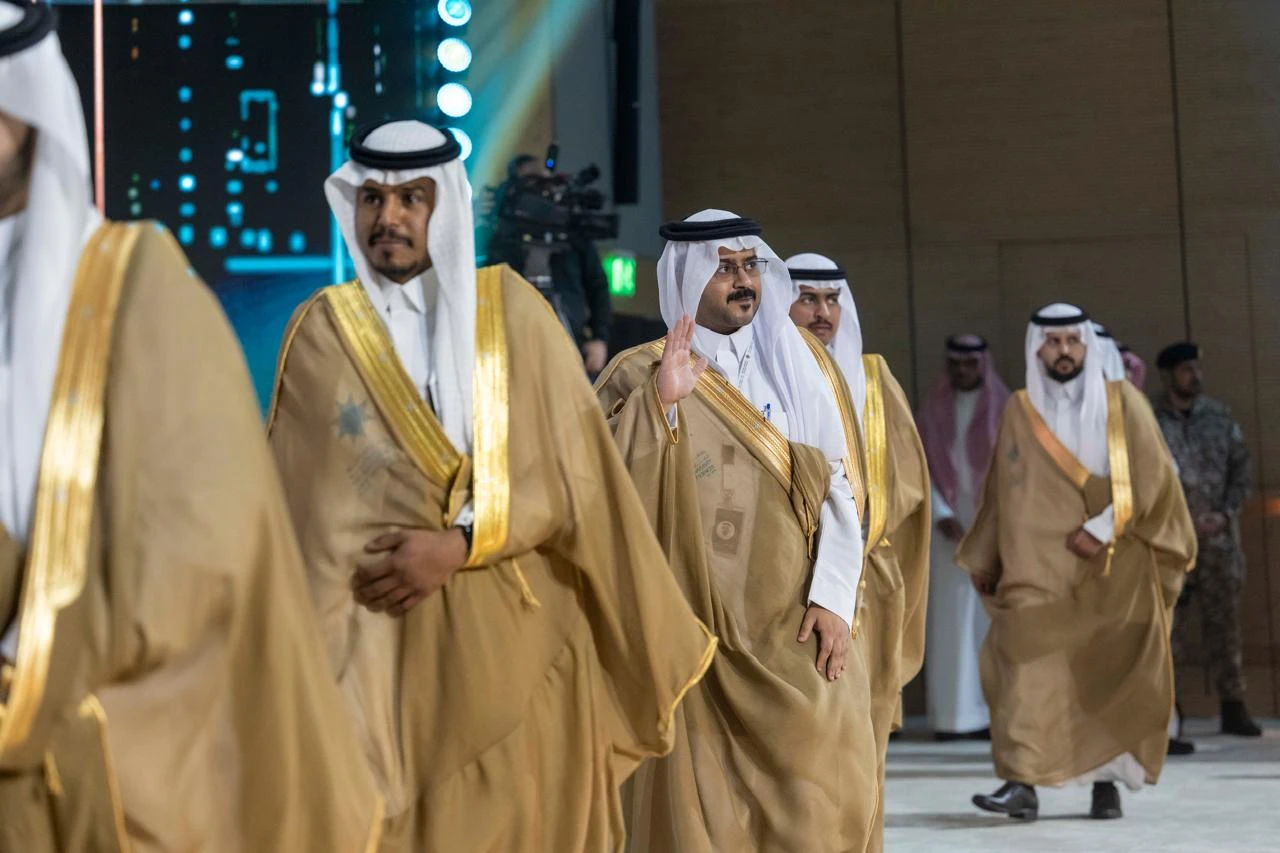
RIYADH: Saudi Interior Minister Prince Abdulaziz bin Saud bin Naif on Monday presided over the graduation of 518 students from 18 countries at Naif Arab University for Security Sciences in Riyadh.
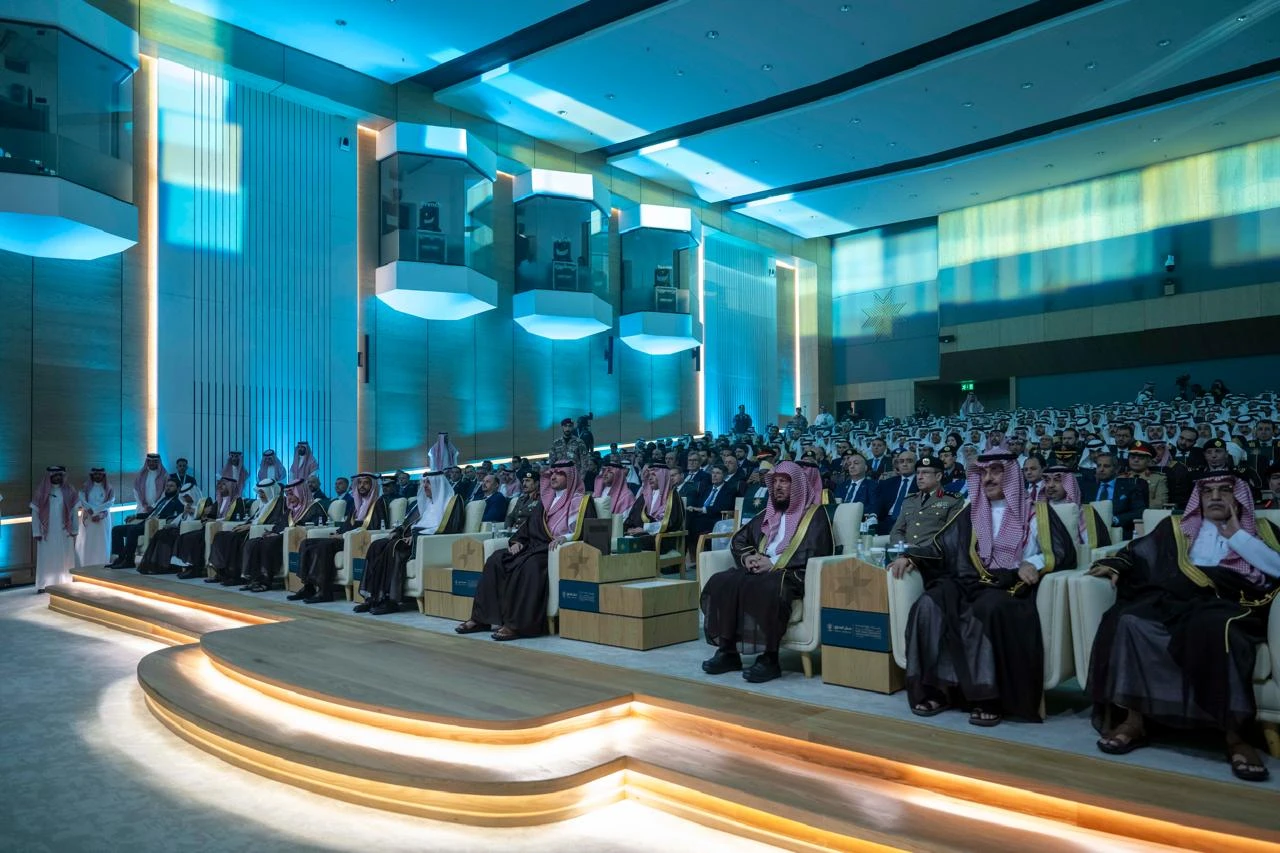
Prince Abdulaziz, who also chairs the university's Supreme Council, attended the ceremony for its 44th graduating cohort at the university's headquarters.
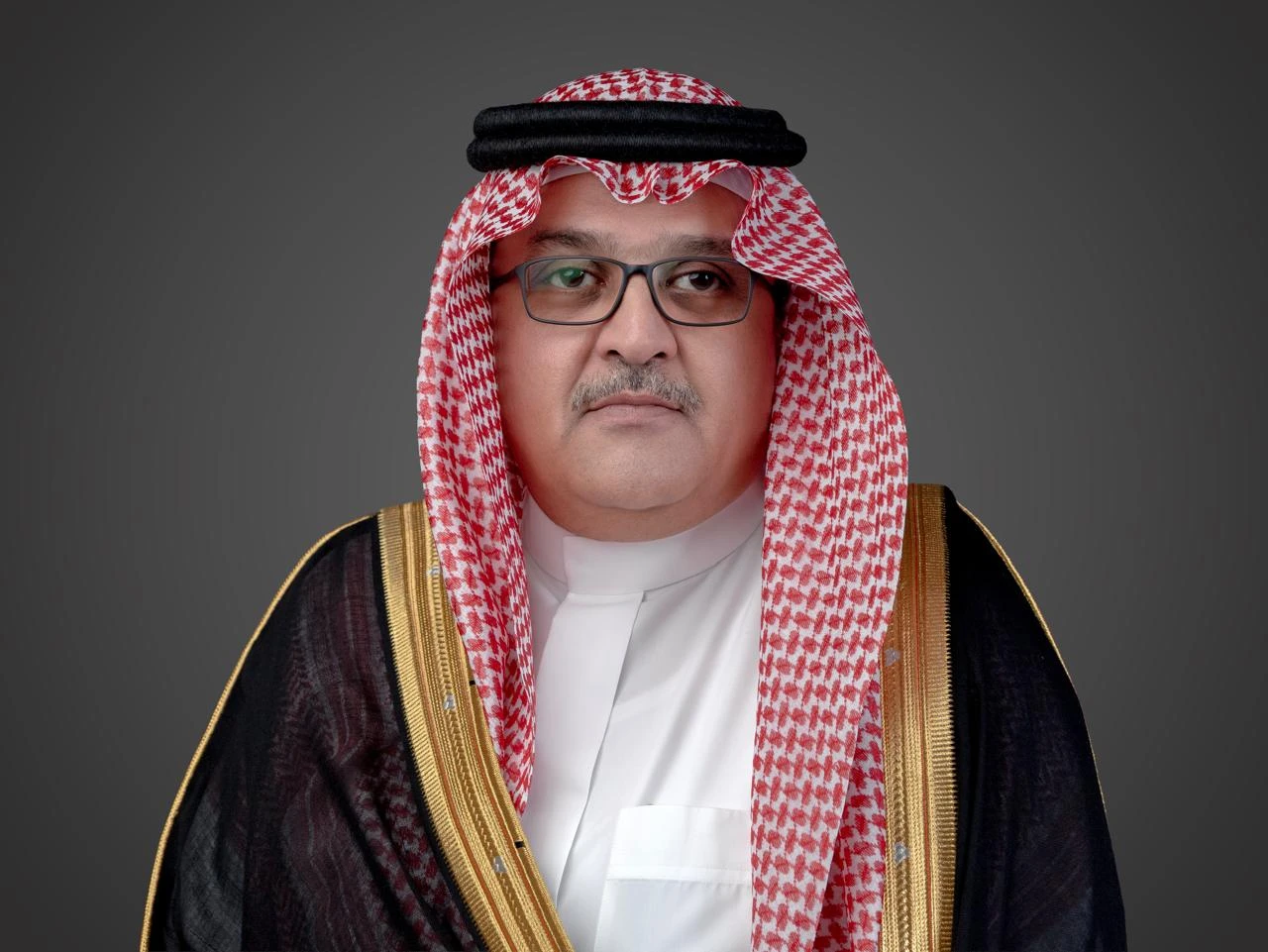
Dr. Abdulmajeed Al-Banyan, the university’s president, reaffirmed the establishment’s commitment to supporting joint Arab security efforts and strengthening its position as a specialized academic institution in security sciences.
He highlighted the university’s international academic accreditations and its membership in the UN Crime Prevention and Criminal Justice Programme Network.
Al-Banyan said the university’s Supreme Council had approved an updated strategic plan aimed at preparing graduates to address emerging security challenges, use modern technologies, including artificial intelligence, responsibly and effectively, and uphold professional and ethical standards.
Khalid Alharfash, vice president for external relations at NAUSS, explained to Arab News the importance of “continuing the pursuit of excellence in preparing specialized security personnel, equipping them with the knowledge and skills necessary to contribute to enhancing security and stability in their respective countries.”
Established in 1978, the university has developed into a specialized Arab institution for security education, training and research.
Alharfash said: “It has also expanded its international footprint through academic accreditations, scientific partnerships, and specialized research contributions.”
He said the university was advancing its work under the updated strategic plan approved by the Supreme Council.
He said: “The university aims to enhance the readiness of its graduates to keep pace with rapid security-related shifts and changes, to develop its systems for education, training, and scientific research, to expand international partnerships, and to leverage emerging technologies — foremost among them artificial intelligence — ensuring their responsible and effective application in the service of security and justice, in accordance with the highest professional and ethical standards.”
Alharfash expressed his confidence that the graduates of the 44th cohort would be able to “apply the knowledge, skills, and experience they have acquired to serve their nations and institutions, act as distinguished ambassadors for the university, and contribute effectively to strengthening security and stability, while helping to shape a more secure and prosperous future.”
The ceremony included the announcement of the graduates’ results, followed by a commemorative photo session.
Various officials, ambassadors, and representatives from several Arab and Islamic nations attended, along with representatives from organizations and entities associated with the university.