RIYADH: When Bushra Al-Homoud took her first independent step in 2021, there was no audience waiting to applaud her.
There was no stage, no orchestra and no spotlight.
There was simply Bushra, standing on her own two feet for the first time in years.
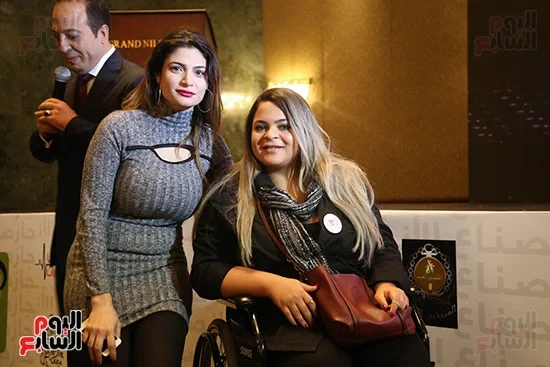
It was only one step. But for a woman who had spent seven years in a wheelchair after a virus affected her spinal cord, it meant everything.
“I took my first step independently, without anyone supporting me, without a cane and without assistance,” she recalls.
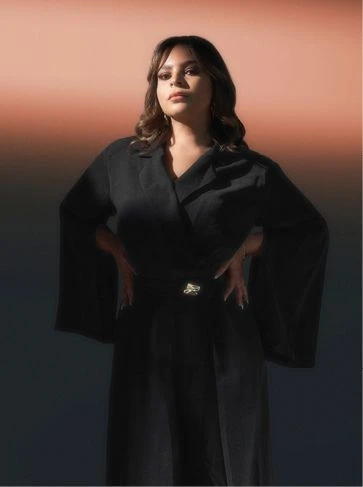
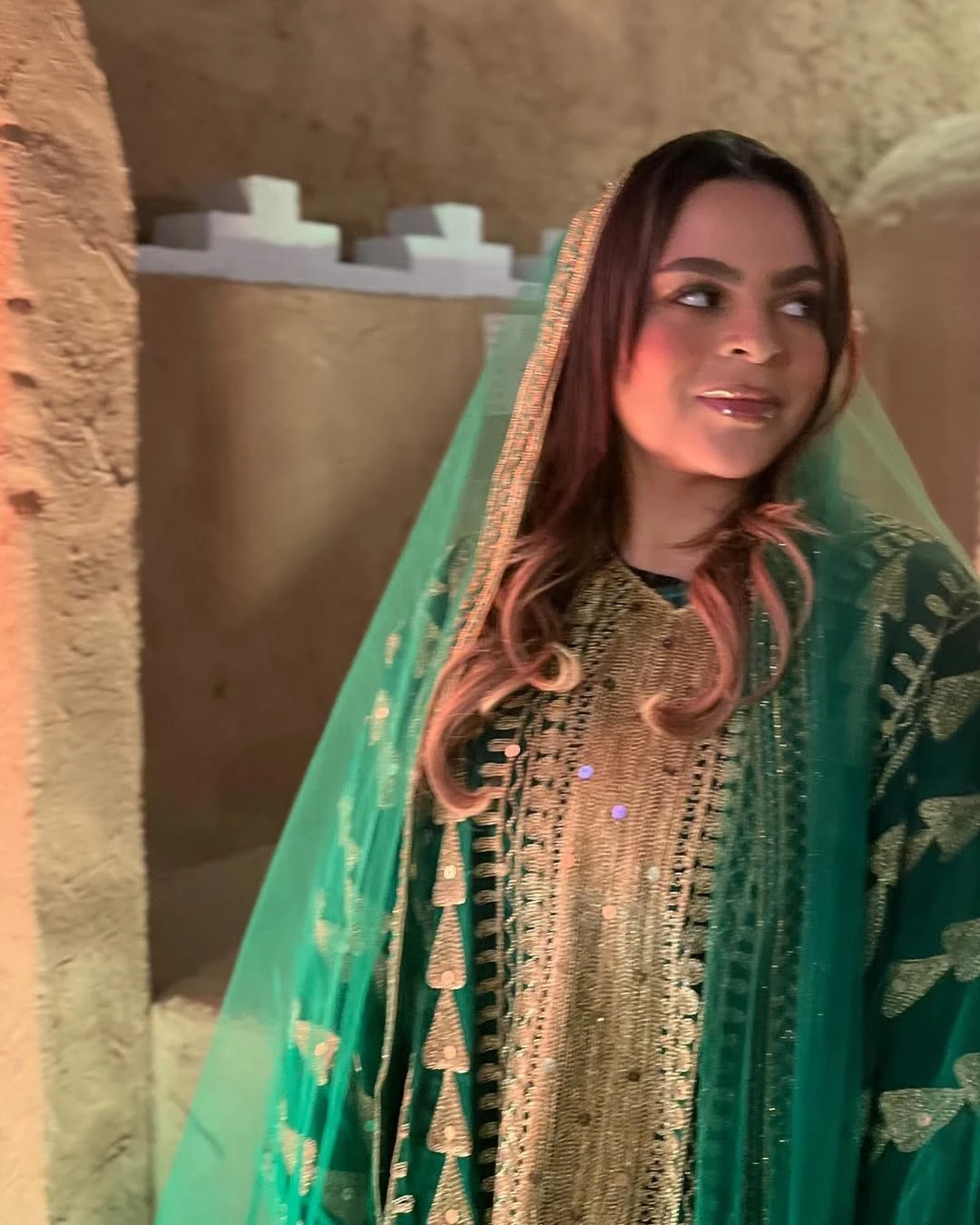
Today, Al-Homoud is a Saudi singer, accredited vocal coach, member of the Saudi National Orchestra and a student at Riyadh Arts University. She also travels with the orchestra, representing Saudi Arabia through music.
But before the stages and certificates, there was a little girl who knew very little about who she would become, except that she loved to sing.
“When I was young, if someone asked me, ‘Who is Bushra?’ I did not yet have enough life experience to know exactly who I was,” she says.
“But I was certain of four things: I was honest, I had faith, I had a sense of humor, and I loved to sing.”
In 2010, she decided to take that love seriously.
She joined a music studio, where her talent was embraced and where she eventually worked part-time. There, she recorded her first professional song. What began as an opportunity gradually became a relationship that has lasted years.
“They became like family to me. They still are today,” she says.
After graduating from high school in 2013, Al-Homoud continued studying remotely while working. Music remained part of her life, but she could not have known how important it would become.
A year later, everything changed.
In 2014, she was diagnosed with a virus affecting her spinal cord. The illness left her struggling physically, sending her from one country to another in search of answers, treatment and, eventually, hope.
Doctors told her she would never walk again.
For seven years, the wheelchair became part of her everyday life. There were hospitals and treatments, travel and uncertainty. But there was also music.
She kept recording. She kept singing.
“I continued with my treatment, and I continued singing,” she says.
Music became more than a career she hoped to build. It became something that remained when so much else had changed.
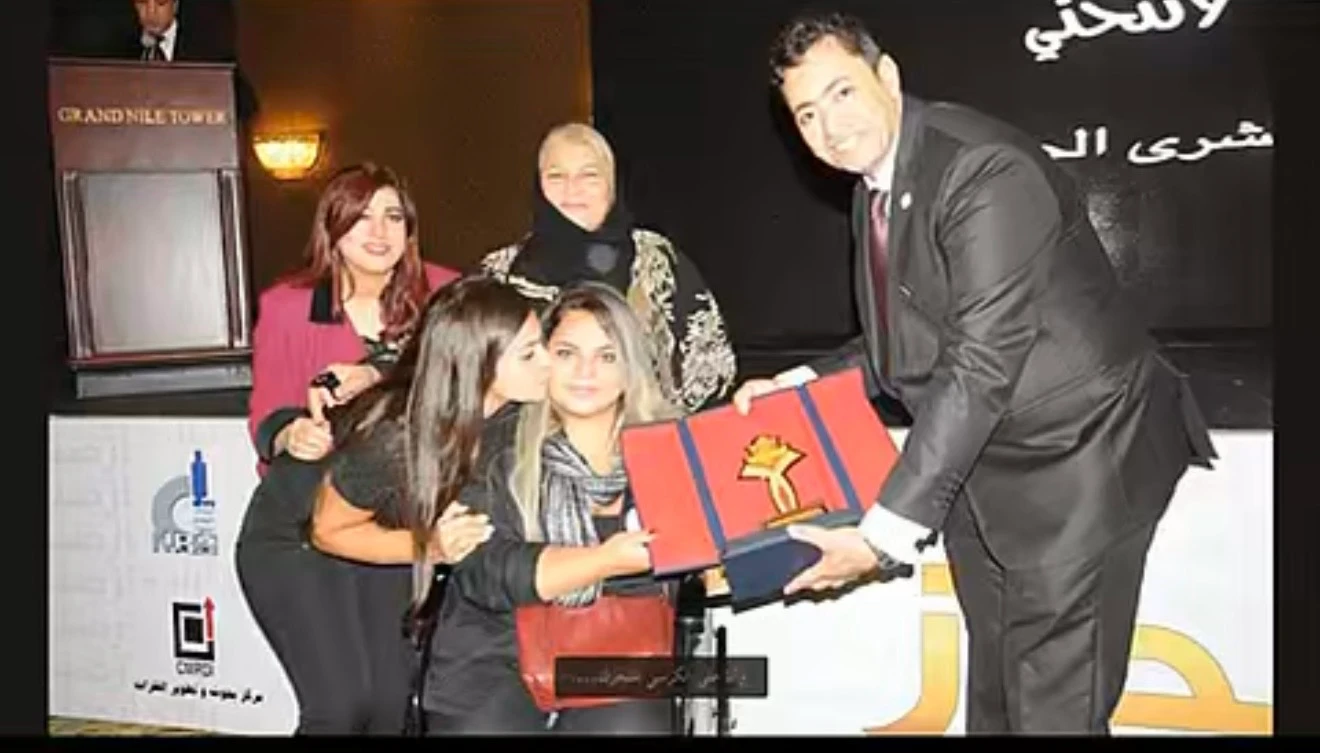
In 2019, while still using a wheelchair, Al-Homoud was honored at the Arab Achievers Conference in Cairo. This year, she received recognition from the International Union of Arab and African Achievers for the second time, following her 2019 award.
The significance of the recognition is not only in the awards themselves, but in the distance between the woman who received that first honor and the woman she is today.
In 2021, after years of treatment, she began to recover.
Then came that first step.
“One step,” she says, almost as if reminding herself that monumental changes can begin with something so small.
The recovery did not mean stopping. It meant beginning again.
Al-Homoud earned an accredited vocal coaching certificate from an institute in the US and went on to train around 30 students. She continued developing her own music, writing, producing and releasing songs.
In 2022, she joined Saudi Arabia’s “Ahla El Sout” talent program, progressing through several stages of the competition. She did not win the title, but she says she entered for the experience, to learn and grow.
A year later came another turning point.
She was accepted into the Saudi National Orchestra.
For two years, she studied academic music through memorization, examinations, assessments and demanding deadlines. In 2025, she graduated as part of the program’s first cohort.
“Behind that photograph are two years of hard work,” she says.
Yet even as she trained academically, Al-Homoud continued creating music of her own. She wrote, produced and released two songs, followed more recently by four independently produced songs.
Her musical identity has been shaped by an eclectic group of influences.
Ibtisam Lutfi taught her authenticity. Whitney Houston showed her the power of balance. Rasha Rizk inspired her with the childlike sincerity in her performances.
But Al-Homoud does not see these influences as separate pieces collected over time. They have, she says, melted into her own voice.
Her style moves between emotional and gentle singing, reflecting what she describes as the closest expression of her personality. For her, music does not need to be loud to be powerful.
Sometimes, sincerity is enough.
Today, another chapter is beginning. Al-Homoud has been accepted into the first cohort of Riyadh Arts University, Saudi Arabia’s first university dedicated to the arts.
And she continues to perform with the Saudi National Orchestra, traveling to represent the Kingdom through music.
Yet when asked who she is now, she does not simply point to the titles she has accumulated.
She remembers the four things she knew as a child: honesty, faith, humor and a love of singing.
“I do not yet know what those things will be,” she says of what lies ahead. “But I have learned that our abilities are far greater than what we know about ourselves. Life experiences reveal those abilities to us.”
Her own experience has taught her that hardship is inevitable, but so is change.
Sometimes, she says, one hardship can make a person forget a thousand blessings.
That is why she counts hers every day.
And perhaps that is the simplest way to understand Bushra Al-Homoud’s journey: not as a story about a woman who was told she would never walk again, but as the story of a woman who kept moving, first through music, then through recovery, and finally onto a stage.
This time, she was not sitting in a wheelchair watching the performance.
She was part of the orchestra.
From wheelchair to Saudi orchestra: Bushra Al-Homoud finds her voice