- Gross profit excluding LNG rises 20.5 percent to $296 million in fiscal 2026
- Lower receivables and interest rates cut finance costs by 24 percent
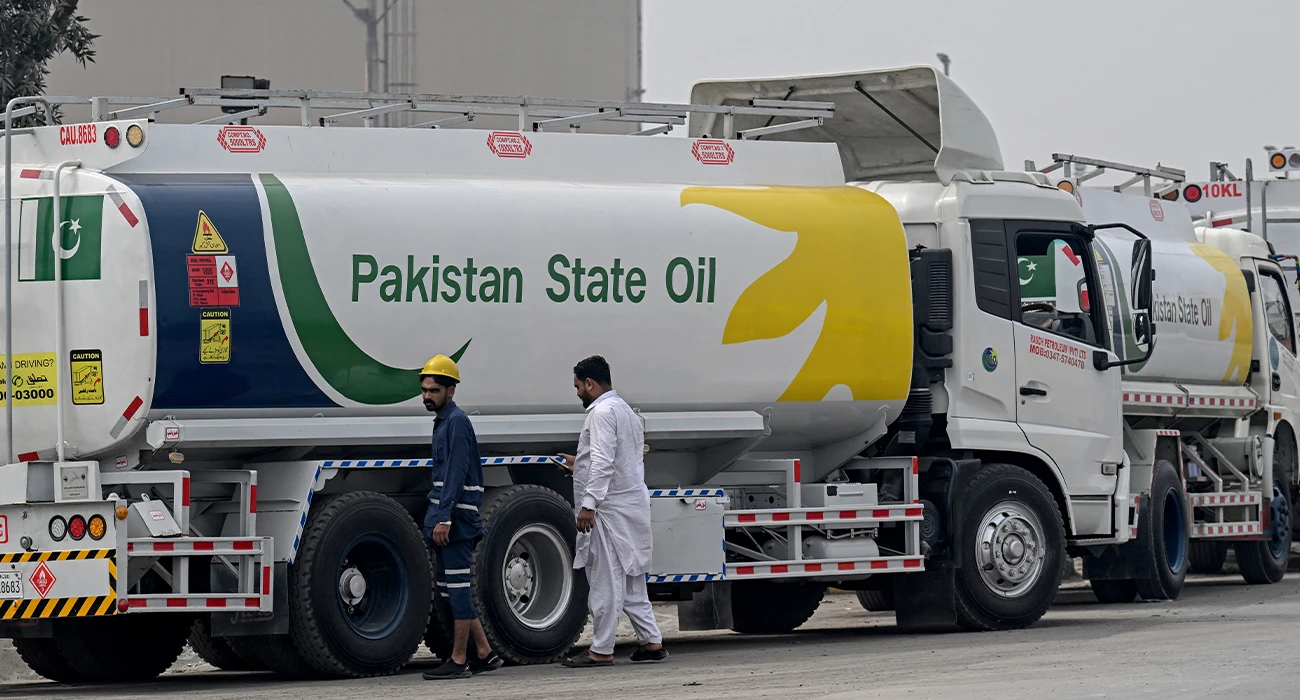
KARACHI: Pakistan State Oil said Friday it maintained fuel supplies without interruption since the Strait of Hormuz crisis began, while gross profit from its business excluding liquefied natural gas grew 20.5 percent in fiscal 2026.
Shipping through the strait, a key route for Gulf oil and gas exports, collapsed after US and Israeli strikes on Iran on Feb. 28, with tanker traffic falling to near zero. Pakistan, India and Bangladesh together received almost two-thirds of their LNG imports through the strait in 2025, according to the International Energy Agency.
Pakistan relies heavily on imported fuel, leaving it exposed to global price and supply shocks. PSO’s results cover the fiscal year that ended on June 30, including the first four months of the conflict.
“Pakistan’s fuel supply was not interrupted for a single day, and we did it safely,” Jawwad Ahmed Cheema, PSO’s chief executive, said in a statement.
PSO said gross profit excluding LNG rose to $296 million from $245 million a year earlier. Overall, gross profit rose to $361 million from $349 million. Standalone profit after tax was $54.4 million, or about 12 cents per share. PSO’s share of group profit after tax rose to $92 million, on gross revenue of $12.3 billion.
The company said lower trade receivables, which fell to $1.5 billion from $1.58 billion, together with lower interest rates, cut finance costs by 24 percent. PSO said it was working with the government on a lasting resolution of circular debt, a chain of unpaid bills across Pakistan’s energy sector.
PSO said its storage capacity of 1.23 million metric tons, the largest in the country, and advance import planning kept all market segments supplied at the height of the disruption.
The company holds a 42.7 percent share of the market for white oil products such as petrol and diesel, and 99 percent of the aviation fuel market, which it said earned it more than $360 million in foreign exchange during the year.
Traffic through the Strait of Hormuz remains well below pre-war levels of about 125 crossings a day, though a US official told Reuters that some 60 commercial vessels passed through on Wednesday, carrying the highest daily volume of crude oil since early July.