- More than 243,000 productive trees yield over 175 tons of coffee annually
- More than 634,000 coffee trees planted in Asir between 2022 and 2025
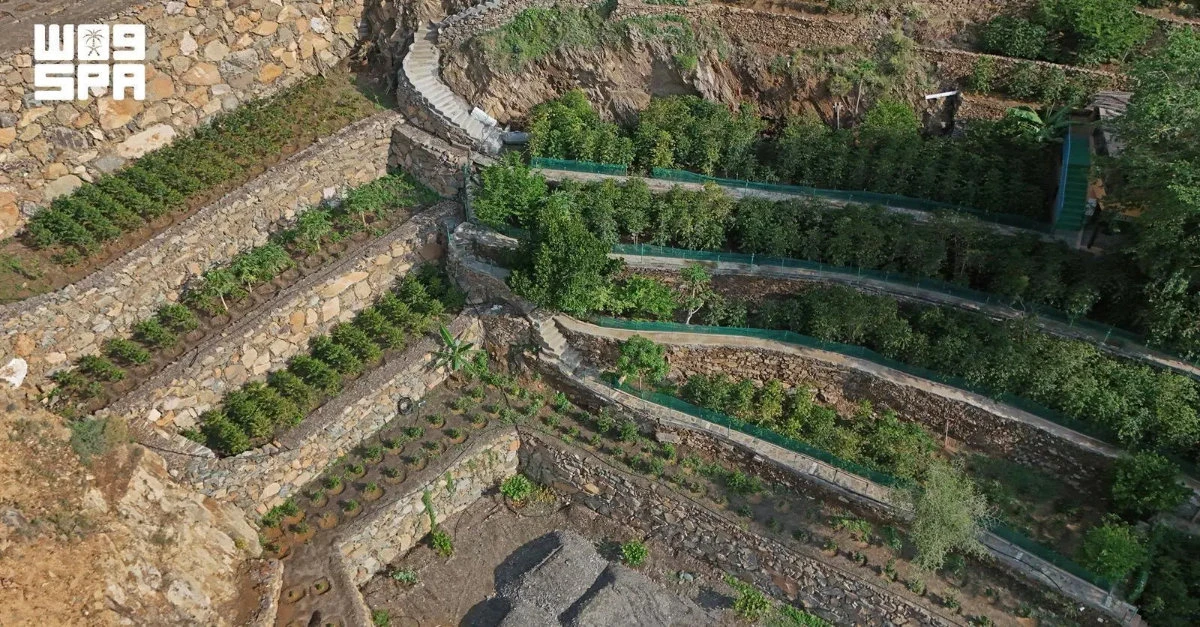
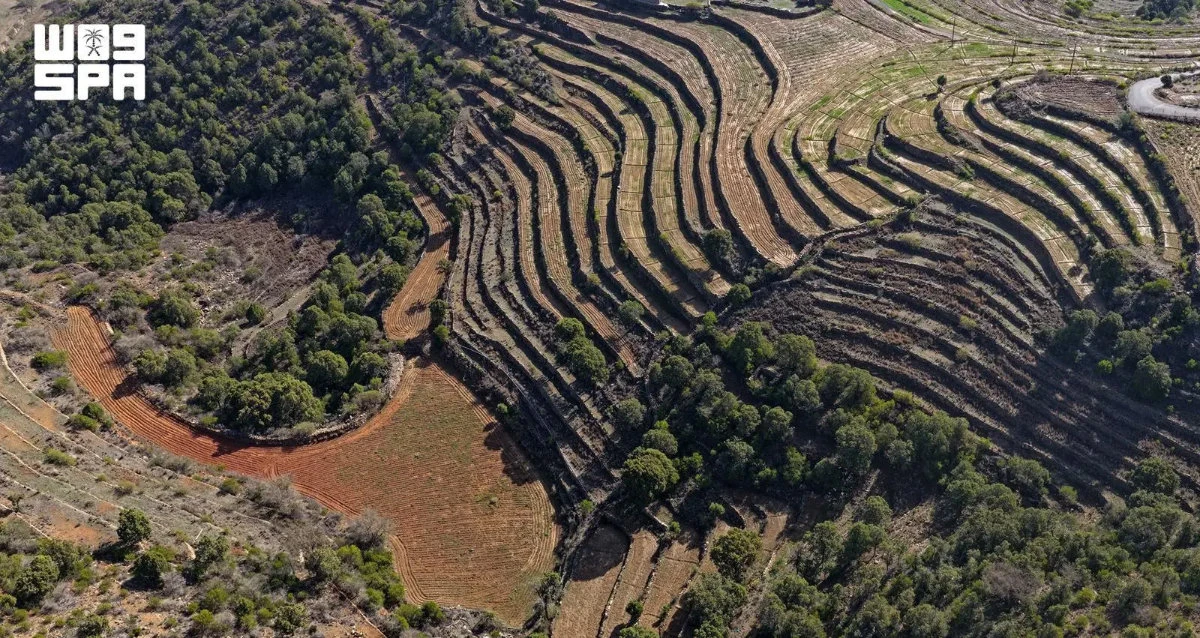
ABHA: Coffee cultivation in Saudi Arabia’s Asir region is expanding from a generations-old agricultural tradition into a growing economic activity, with thousands of farms and hundreds of thousands of trees spread across its mountain terraces, valleys and slopes.
The cultivation stretches from Al-Farshah and Tihama Qahtan in the south through a chain of mountain governorates, centers and villages to Balqarn in the north, reflecting the region’s diverse terrain and long association with coffee farming.
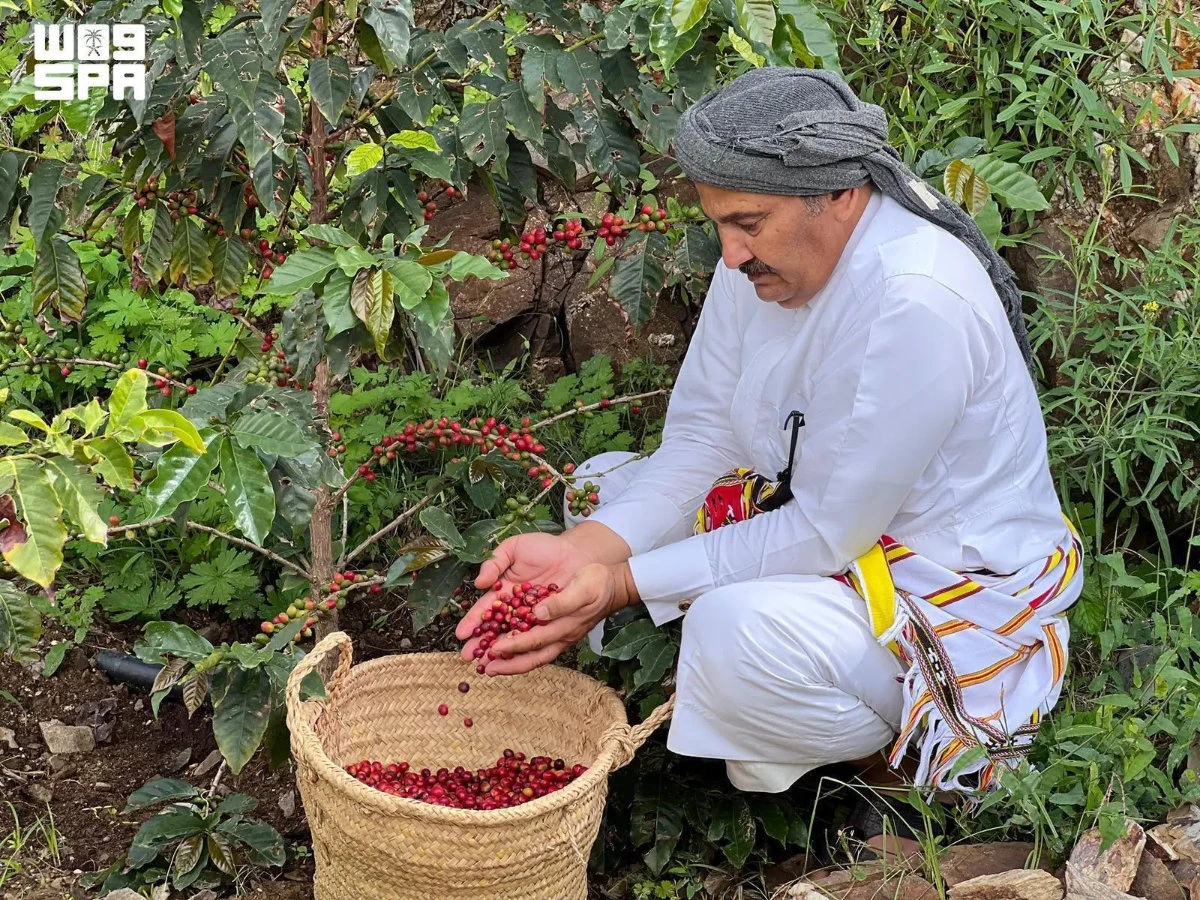
Asir’s varied elevations, moderate temperatures, rainfall and fertile soils provide favorable conditions for coffee trees. Farmers have preserved mature trees and traditional cultivation practices, passing agricultural knowledge from one generation to the next.
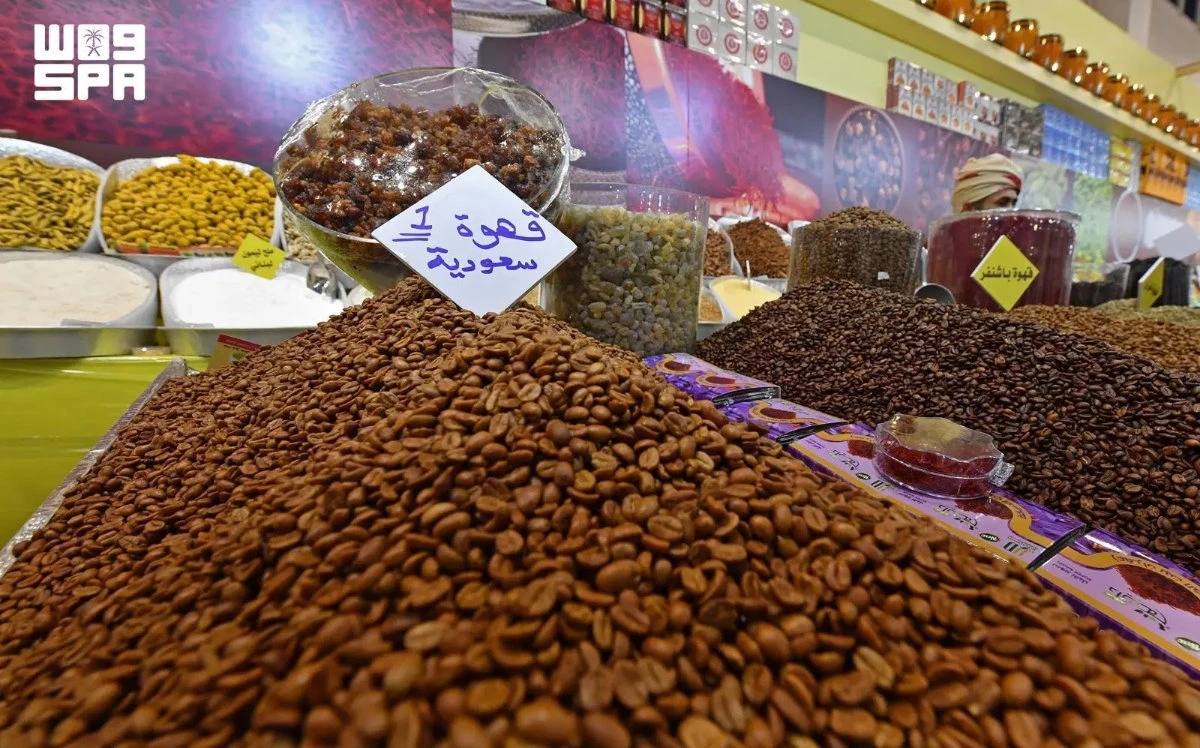
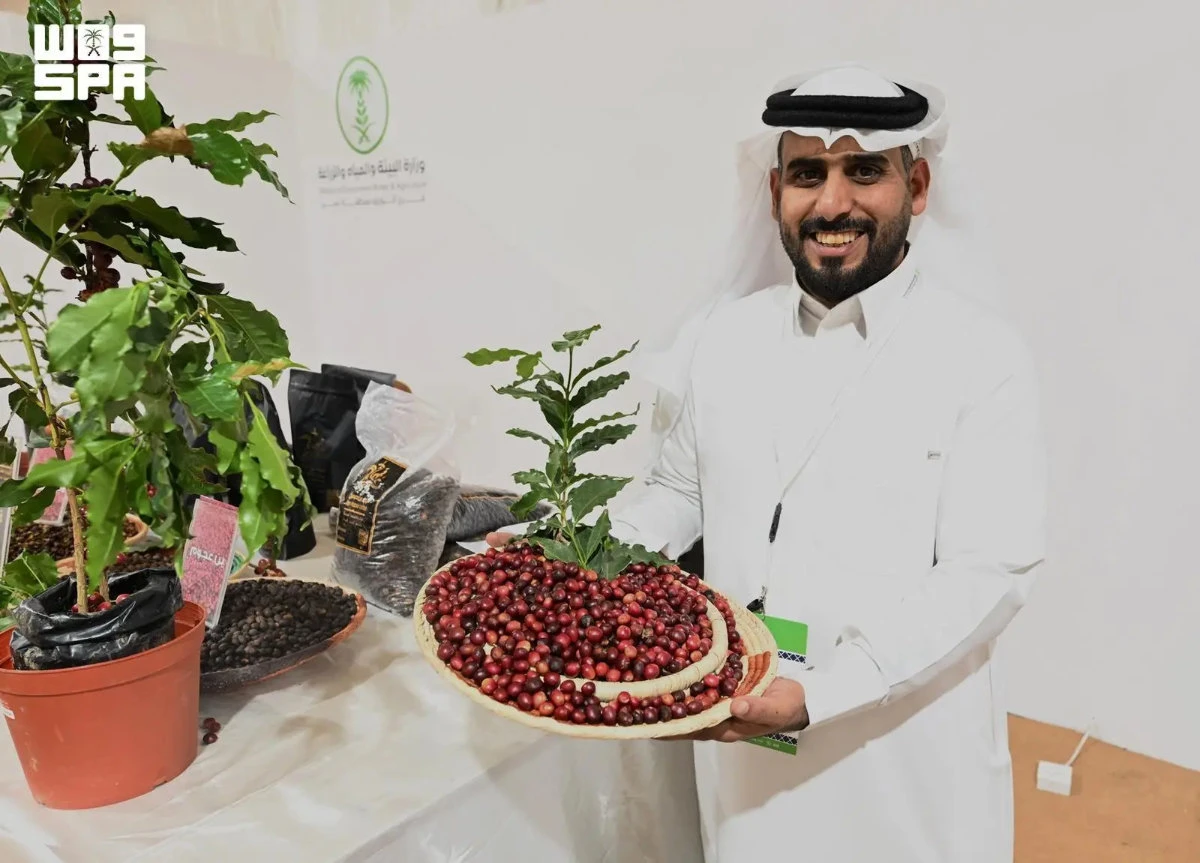
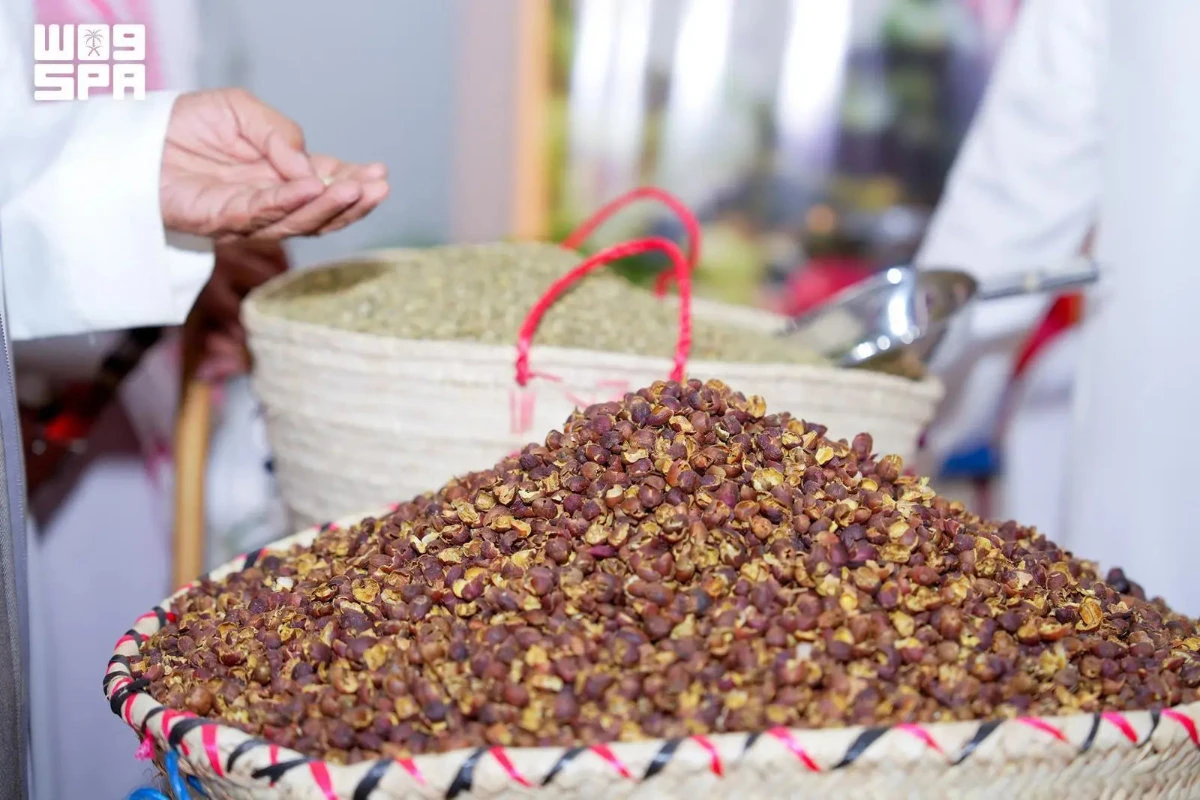
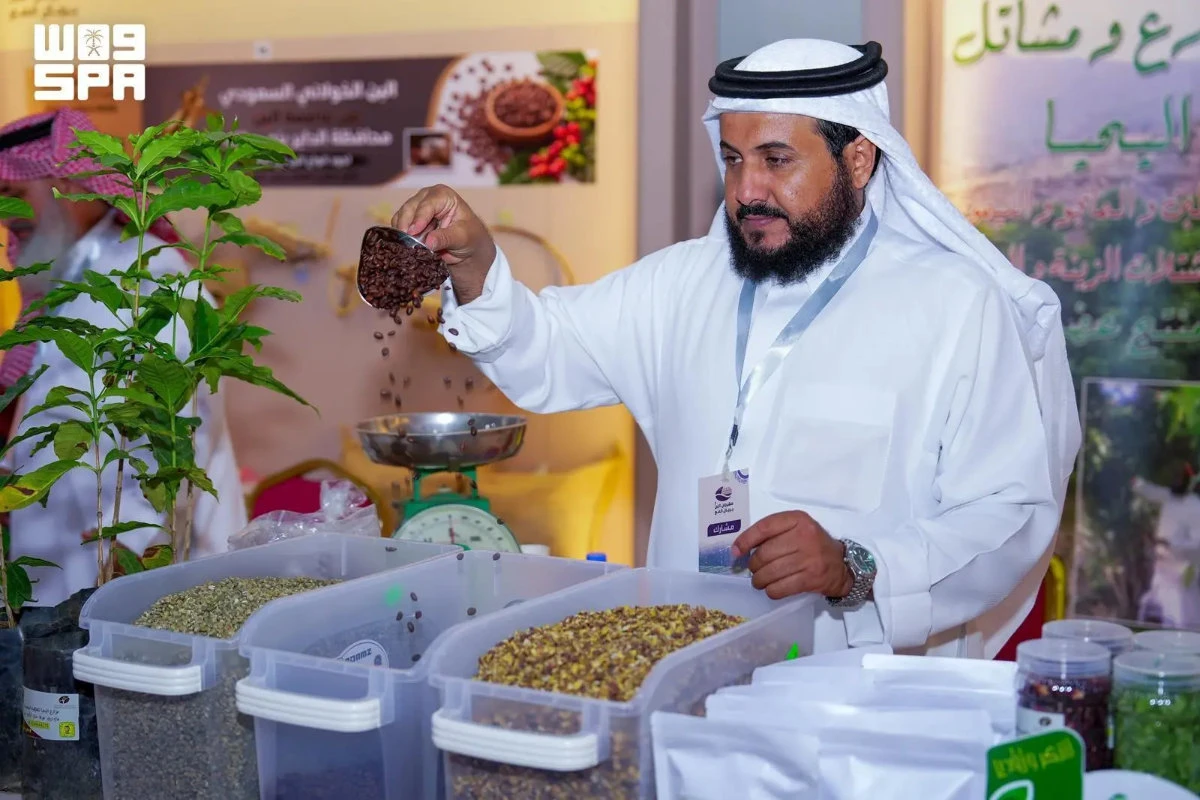
Data from the Ministry of Environment, Water and Agriculture underscores Asir’s prominent position on Saudi Arabia’s coffee map. The region has more than 243,000 productive coffee trees, producing more than 175 tons of pure coffee annually.
Cultivation expands across the region
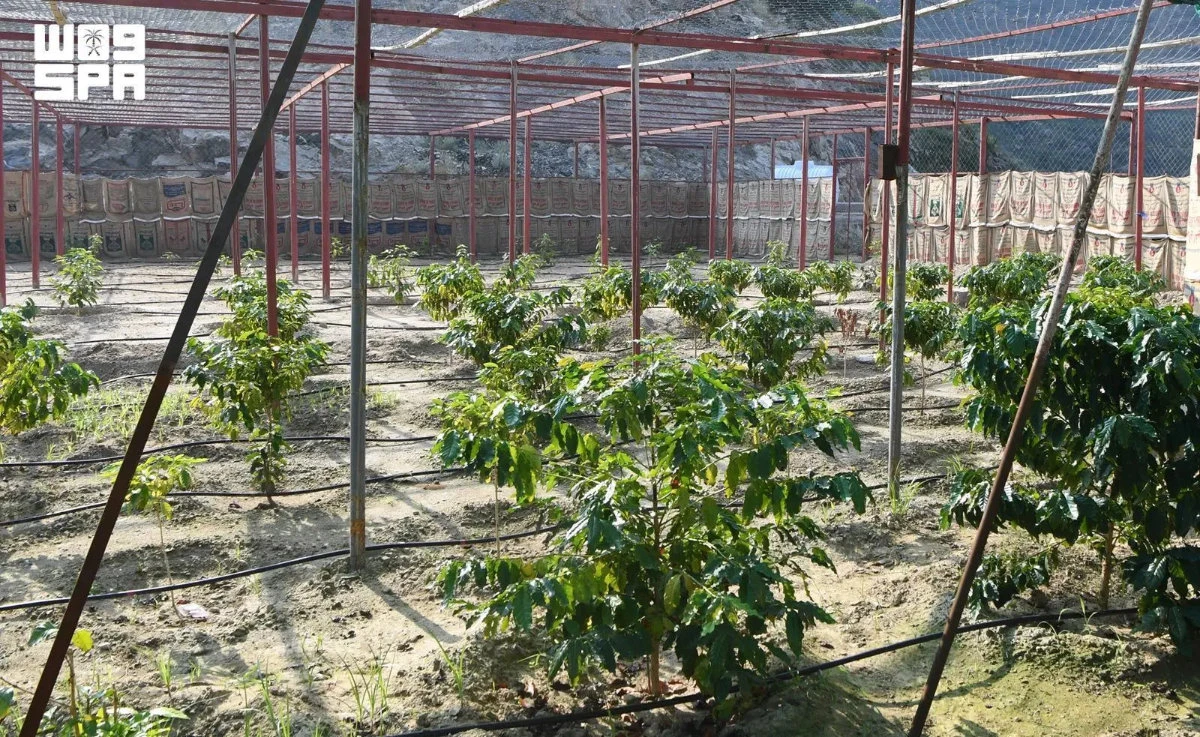
The production base has grown rapidly in recent years. More than 634,000 coffee trees were planted across Asir between 2022 and 2025, while cultivation expanded to more than 7,000 hectares across 14 governorates.
The number of active coffee farms has surpassed 1,400, reflecting growing interest in the crop and its economic potential for mountain communities.
The expansion is being supported by programs designed to increase the number of trees, improve farm efficiency and raise the quality of production. Among them is a program targeting the planting of 1 million coffee trees between 2026 and 2028 as part of efforts to develop the mountain economy and strengthen productive agricultural areas.
The program seeks to promote the sustainable use of natural resources, strengthen rural economies and empower farmers in Saudi Arabia’s mountain governorates.
The push mirrors efforts in other southwestern coffee-producing regions. In Najran, for example, agricultural authorities are providing farmers with high-quality seedlings, organic fertilizers adapted to local soils, water-saving irrigation systems and training on cultivation, harvesting and drying practices.
In Al-Baha, where more than 450 coffee farms contain over 115,000 trees, authorities have established five specialized agricultural hubs for coffee cultivation. More than 600,000 seedlings have been planted across the region, while a coffee processing plant costing more than SR16 million is under construction.
These initiatives are part of a wider effort to develop Saudi Arabia’s coffee sector, support farmers, improve production quality and increase the economic value of local crops.
In Asir, the combination of established farming traditions, expanding cultivation and development programs is strengthening the region’s role in the Kingdom’s coffee industry while preserving a distinctive agricultural heritage.