- At least four Karachi services canceled or postponed since Sept. 26
- Pakistan says it will adhere to all applicable sanctions regimes
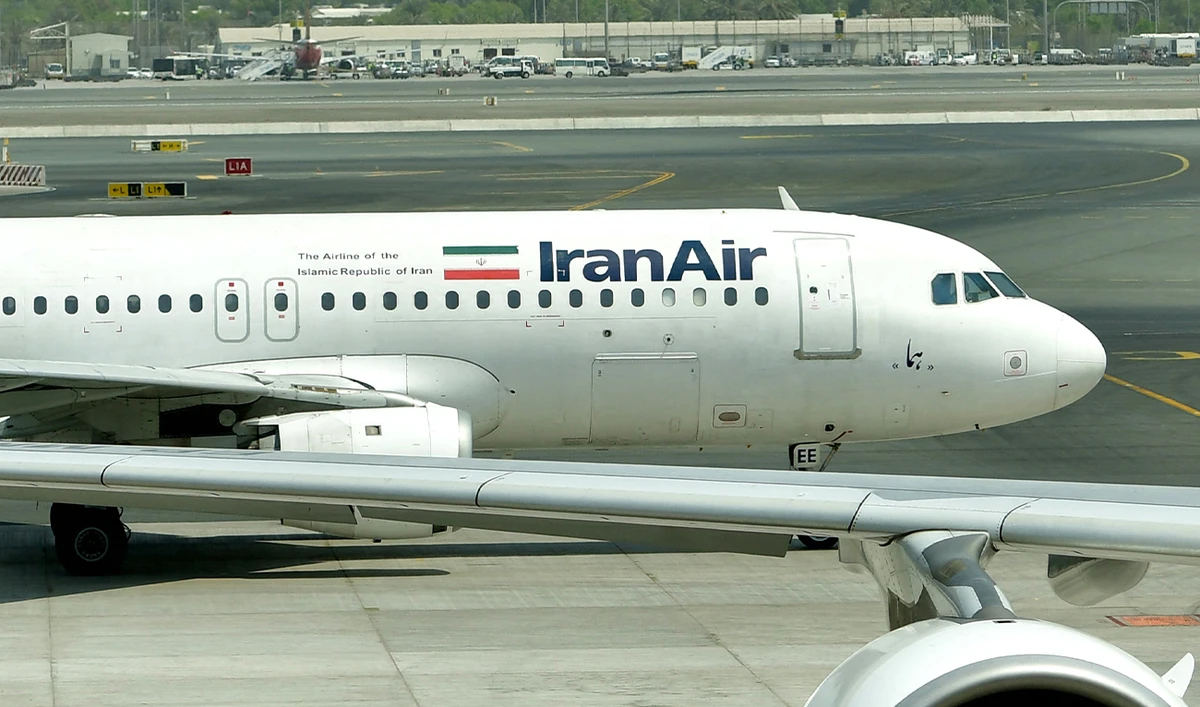
KARACHI: Iranian airlines are rescheduling disrupted services to Pakistan after a series of cancelations and postponements attributed by the travel trade to aircraft-related issues, as sweeping new US sanctions put growing pressure on Iran’s aviation sector.
The United States sanctioned 27 Iranian airlines, including Taban Air and Kish Air, on Sept. 8 as part of measures targeting Iran’s aviation industry, warning that companies providing services to the sector could also face sanctions exposure. The measures have since disrupted Iranian air links elsewhere in the region.
In Pakistan, at least four Taban and Kish services connecting Karachi with Tehran and Mashhad have been canceled or postponed since Sept. 26, although affected services are now being rescheduled.
“The issue is with the aircraft,” Muhammad Danish, a travel counselor associated with Karachi-based Bojhani Travel and Tours, told Arab News, referring to McDonnell Douglas (MD) aircraft used by the two carriers.
“These airlines were using MD aircraft and Iran has grounded this aircraft type. This is not because Pakistan has stopped these aircraft.”
Arab News could not independently verify that Iranian authorities had ordered the grounding or establish whether it was related to the US measures.
Taban Air officials did not respond to requests for comment.
The Sept. 8 US Treasury action targeted what Washington described as Iran’s remaining active airlines, including Taban and Kish, as well as companies and intermediaries involved in providing services, aircraft and technology to the country’s aviation sector.
The measures have complicated Iranian air travel across the region. Iraq, which had suspended flights to and from Iran following the US sanctions, said on Friday it had cleared Iranian airlines other than Mahan Air to operate up to 40 daily flights to and from the Shiite holy city of Najaf.
Iraq had sought an exemption from Washington to allow the flights to resume, in part because of the importance of the route for religious travel, according to Reuters.
PAKISTAN SERVICES
Taban canceled its Mashhad-Karachi-Mashhad rotations scheduled for Sept. 26 and Oct. 3, while Kish postponed a Mashhad-Karachi-Mashhad service on Sept. 28 and Taban postponed its Tehran-Karachi-Tehran service on Sept. 29, according to notices seen by Arab News.
Danish said the Sept. 28 Kish service was now expected to operate on Oct. 5 and the Sept. 29 Taban service on Oct. 6, while passengers affected by the Sept. 26 and Oct. 3 Taban services had been given Oct. 10 as a prospective date.
The disruption has particularly affected religious travelers from Pakistan heading to Iran and Iraq.
Danish said his agency had organized a group of 45 women from a religious seminary who were scheduled to travel to Iran and Iraq on the Sept. 28 Kish service. The disruption forced the agency to drop the Iran portion of their itinerary and rearrange the journey so the group could travel directly to Iraq.
“Their entire schedule was disturbed because the hotels and other arrangements had already been finalized,” Danish said.
“We explain all the policies and available options to passengers and try to minimize their losses as much as possible. That is why we accommodated this group by changing their package to Iraq only and sent them there.”
Danish said his agency also had around 40 passengers booked on the Sept. 26 service, as well as travelers on subsequent affected flights.
He said Karachi departures on the disrupted services had been fully booked, although passenger loads on incoming flights from Iran varied, making it difficult to establish the total number of travelers affected.
SANCTIONS PRESSURE
Pakistan has not announced a suspension of Iranian airline operations following the new US measures.
The Foreign Office said on Sept. 17 it had taken note of the US measures concerning Iranian airlines and was examining the matter with relevant stakeholders.
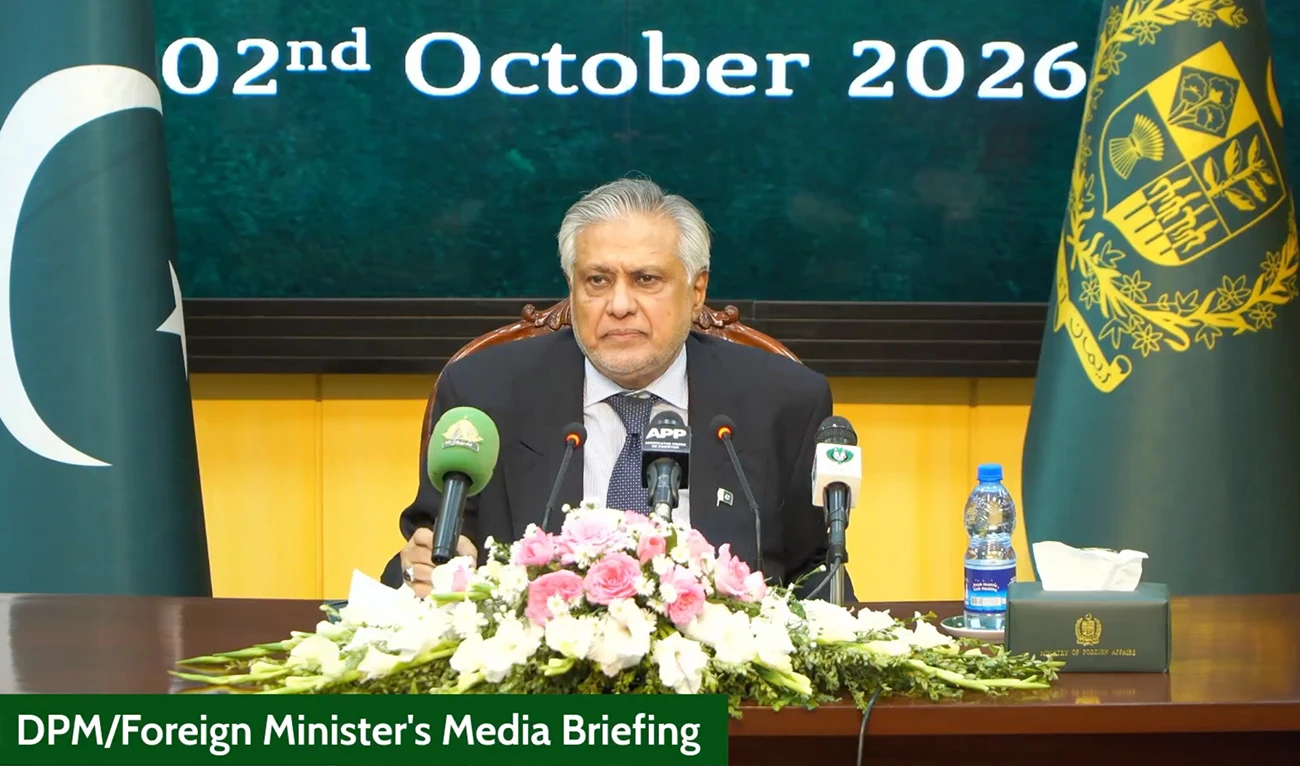
Asked on Thursday to clarify Pakistan’s position on US sanctions against Iran, the Foreign Office said earlier remarks on unilateral sanctions had been “taken out of context.”
“Pakistan is a responsible member of the international community and adheres, and shall continue to adhere, to all applicable sanctions regimes in accordance with international and domestic laws,” Foreign Office spokesperson Sajjad Haider Khan said.
Khan said Pakistan remained in communication with relevant stakeholders while emphasizing both its strategic partnership with the United States and its role as a mediator between Washington and Tehran.
Asked separately whether Washington had communicated with Islamabad over Iranian airline operations and warnings of secondary sanctions, Khan referred to an earlier Foreign Office response on Mahan Air and said there was “no change in the status.”
The regional impact of the sanctions has highlighted the importance of air links for religious travel, particularly routes serving pilgrimage destinations in Iran and Iraq.
Danish said reduced availability had already made it harder for Pakistani travelers to find alternatives when services were disrupted.
“Many people have simply canceled their travel plans, while others are being shifted to the available flights,” he said. “Naturally, this has created difficulties for passengers.”