- Saudi city highlights heritage, technology, innovation as tools for cooperation and sustainable development
- Mayor Essam Al-Mulla says AI can help preserve traditions while opening new opportunities for artisans
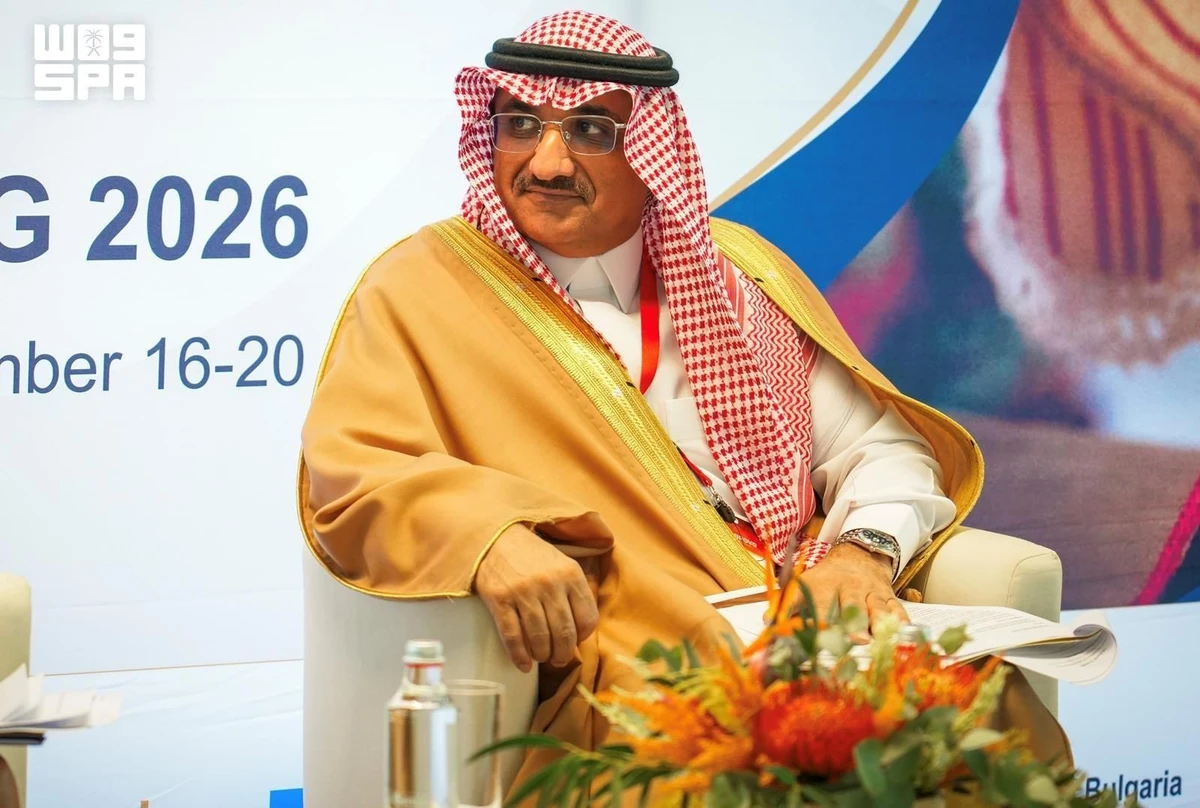
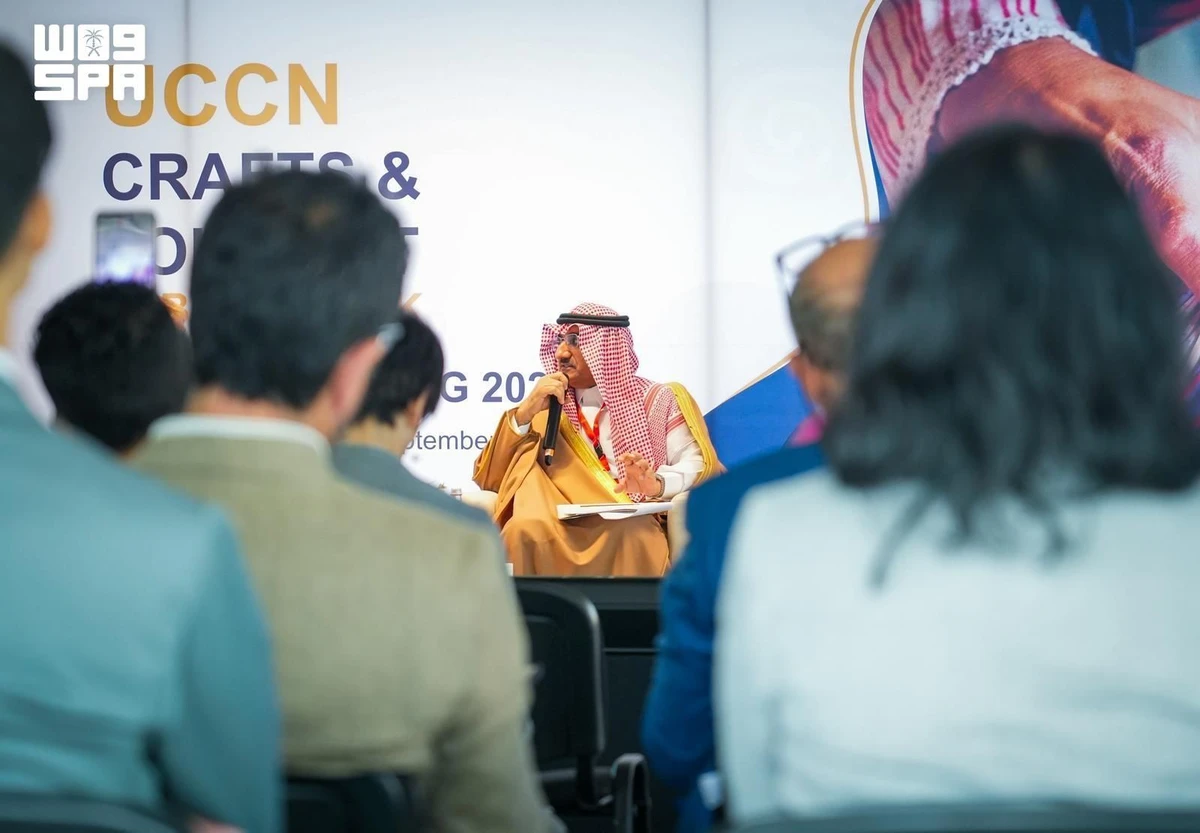
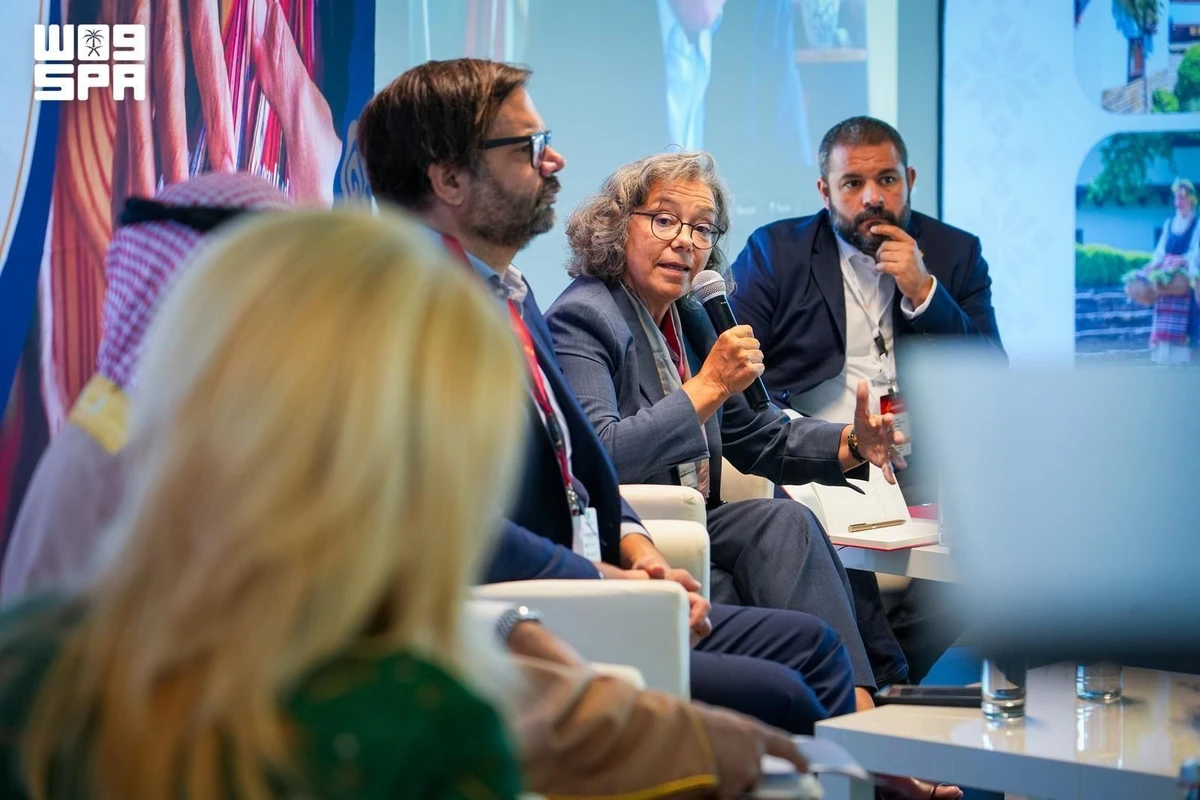
RIYADH: Saudi Arabia’s Al-Ahsa chaired a UNESCO Creative Cities Network meeting in Gabrovo, Bulgaria, to strengthen cultural cooperation and advance sustainable development.
Al-Ahsa Mayor Essam Al-Mulla outlined the city’s experience in using culture and creativity to support sustainable development, strengthen social cohesion and build bridges between peoples and cities.
The meeting brought together representatives from 20 cities in the network’s Crafts and Folk Art subnetwork, the Saudi Press Agency reported.
Al-Ahsa joined the UNESCO Creative Cities Network in 2015 through an initiative by Al-Ahsa municipality.
According to UNESCO, Al-Ahsa preserves about 50 traditional crafts and folk art practices, including palm-based textiles, pottery, weaving and joinery, which support its economy through markets and cultural festivals.
Speaking during the meeting, Al-Mulla addressed culture and innovation, technology and human skills, investment in the future and cooperation among creative cities. He also highlighted the role of cultural creativity in preserving identity and strengthening community ties.
Al-Mulla said Al-Ahsa’s approach was rooted in cultural resilience, extending beyond heritage protection to developing ways to preserve, practice and pass on traditions to future generations while adapting to change.
Technology and artificial intelligence offered opportunities to develop traditional skills and knowledge, and open new avenues for artisans, he added.
Al-Mulla said technology should complement rather than replace heritage, helping craftspeople innovate, document their work and reach wider audiences and markets while preserving the authenticity and identity of their crafts.
Investment in culture and creativity was also an investment in people and human relationships that strengthens belonging, communication and social cohesion, he added.
Ibrahim Al-Shubaith, coordinator of Creative Al-Ahsa and lead coordinator of the network’s Crafts and Folk Art cluster, described culture as a form of soft power for peace, as well as an effective means of fostering understanding and bringing communities closer together.
He highlighted the importance of coordinating efforts and exchanging experiences to develop the crafts and folk art sector, and strengthen its contribution to sustainable cultural development.
The meeting aimed to expand cooperation and knowledge-sharing among member cities and advance joint work in crafts and folk art, reinforcing the role of culture and creativity in shaping cities’ futures.