- Saima Saleem is a counselor at Pakistan's permanent mission to the UN in New York
- With top exam results, she pushed for reforms to allow persons with disabilities to work at foreign office
ISLAMABAD: Saima Saleem made headlines last year when she addressed the UN General Assembly with a fierce speech in support of the right to self-determination for Kashmiris.
All cameras were on her as she sat behind the "Pakistan" name plate at the assembly's hall and read her address, written in Braille.
The journey to that podium was not an easy one.
Born in Lahore in 1984, Saleem lost her sight to a rare genetic disorder that gradually causes loss of vision. She was 17.
Saleem went on to get a master's degree in English literature from the Kinnaird College for Women in Lahore and is an international humanitarian law graduate of the Geneva Academy of International Humanitarian Law and Human Rights. In 2008, she became Pakistan's first blind civil servant when she joined the foreign office.
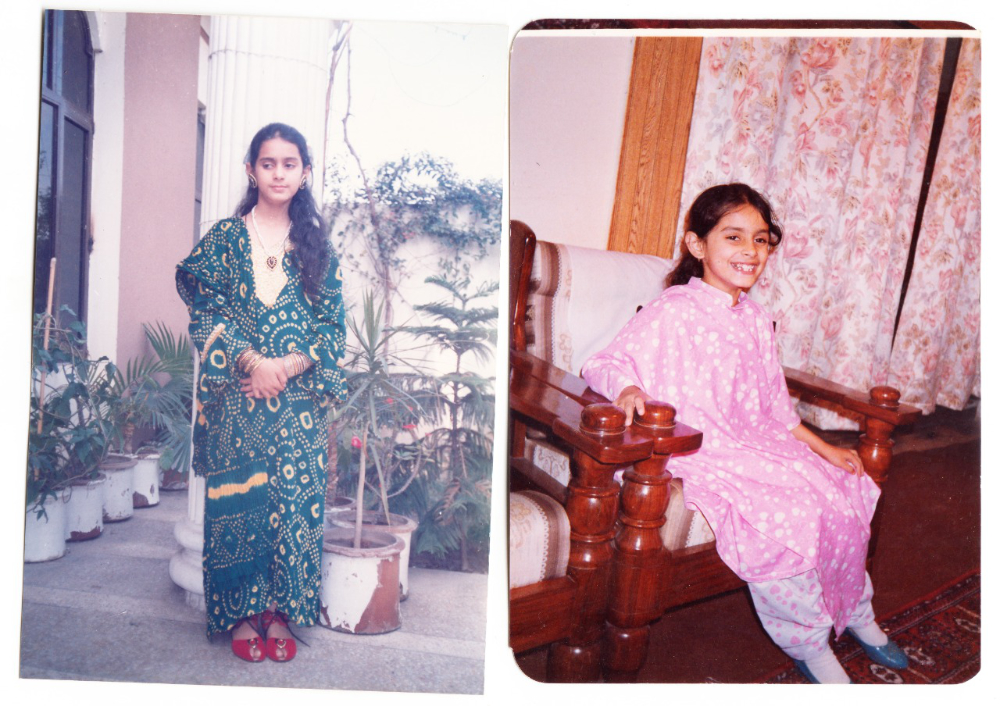
The stereotypes, prejudices, and challenges, especially institutional, that Saleem had to face as a woman and a person with a disability did not discourage her, and with her family’s support, she battled to break down barriers, set precedents, and pave the way for others like her.
"I was the first visually impaired who joined not only foreign service but the civil service of Pakistan,” Saleem told Arab News in an exclusive interview for International Women’s Day. “After that it gave encouragement to a lot of blind students to aim for that and aspire to do something that they always wished for."
Before Saleem's admission into the foreign service, persons with disabilities could only be employed as civil servants in sectors such as information, post, commerce and trade.
Saleem objected to the custom: "I told them that civil service is about competence, merit and equal opportunity. If I manage to secure a good position and am eligible for joining foreign service, then there shouldn't be a bar on the basis of my disability."
When the results were announced, she was the sixth best candidate in Pakistan and the first among women. The Federal Public Service Commission moved a summary for the prime minister to amend the rules.
"The civil service rules were amended," Saleem said. "That was something I think was a moment which gave me a lot of satisfaction and opened up the window for joining civil services for (those) who would be joining in the years to come."
Since then, Saleem has made it to the world of international diplomacy and currently serves as a counselor at Pakistan's permanent mission to the UN in New York. Her lifelong goal now is to help make the world more accessible through her example and advocacy.
"Most challenging thing for me was, if I may say it, a challenge to make our society and the system understand that it is not your disability that matters, rather it is your ability that counts," she said.
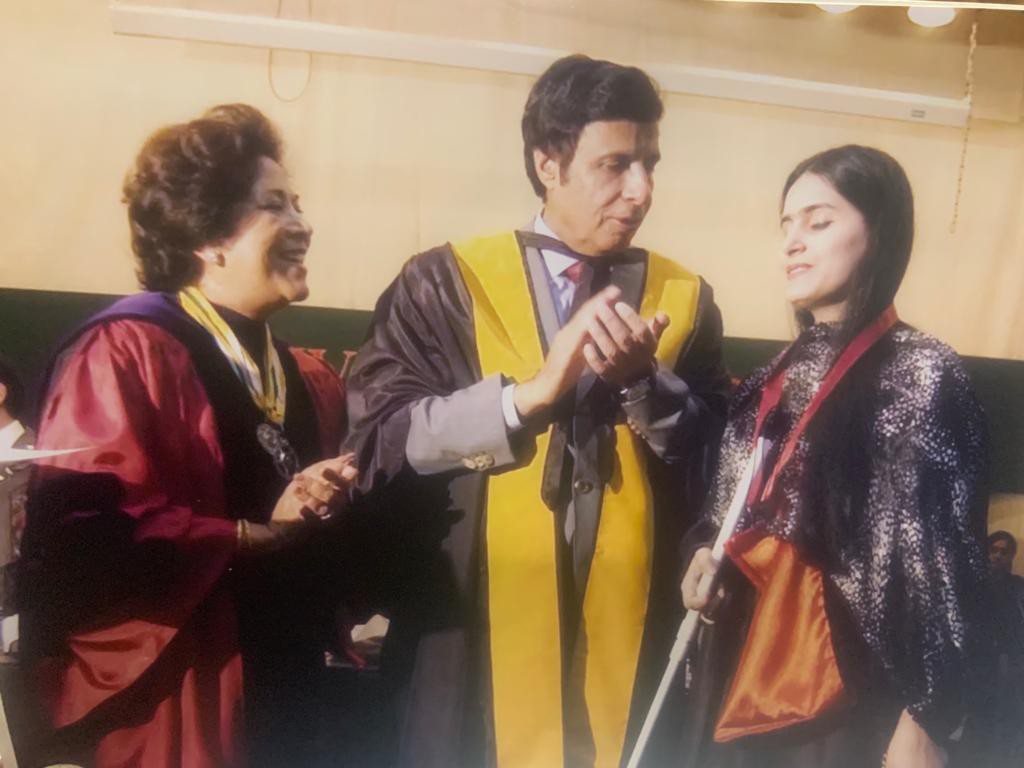
Saleem and her brother, Yousaf Saleem, are good examples of this. They have the same vision disorder, and both received support from parents who wanted them to be educated and contribute to society. While Saleem became Pakistan's first blind civil servant, her brother in 2018 became the country's first visually impaired civil judge.
"I want to be a source of awareness for so many people around who would need more information and understanding of the challenges," Saleem said.
The diplomat also came into the spotlight last year with her speech on the human rights situation in Indian-administered Kashmir — the world's most militarized zone and largest region occupied by security forces — where the local population has for years accused Indian troops of rights violations.
The speech was a part of Saleem's professional duty, but she said it also resonated with her convictions, education and research. Saleem has recently finished writing a book on the rights situation in Kashmir from a legal point of view.
Her UN address came after an Indian delegate leveled accusations against Pakistan, with whom India has a longstanding dispute over Kashmir, which both countries rule in part but claim in full.
"I, as a diplomat, was doing my official commitment and responsibility," Saleem said. "Perhaps what made it a little special was my own passion to work for them (Kashmiris) and my own conviction that they are experiencing one of the gravest human tragedies that is unfolding in the 21st century."