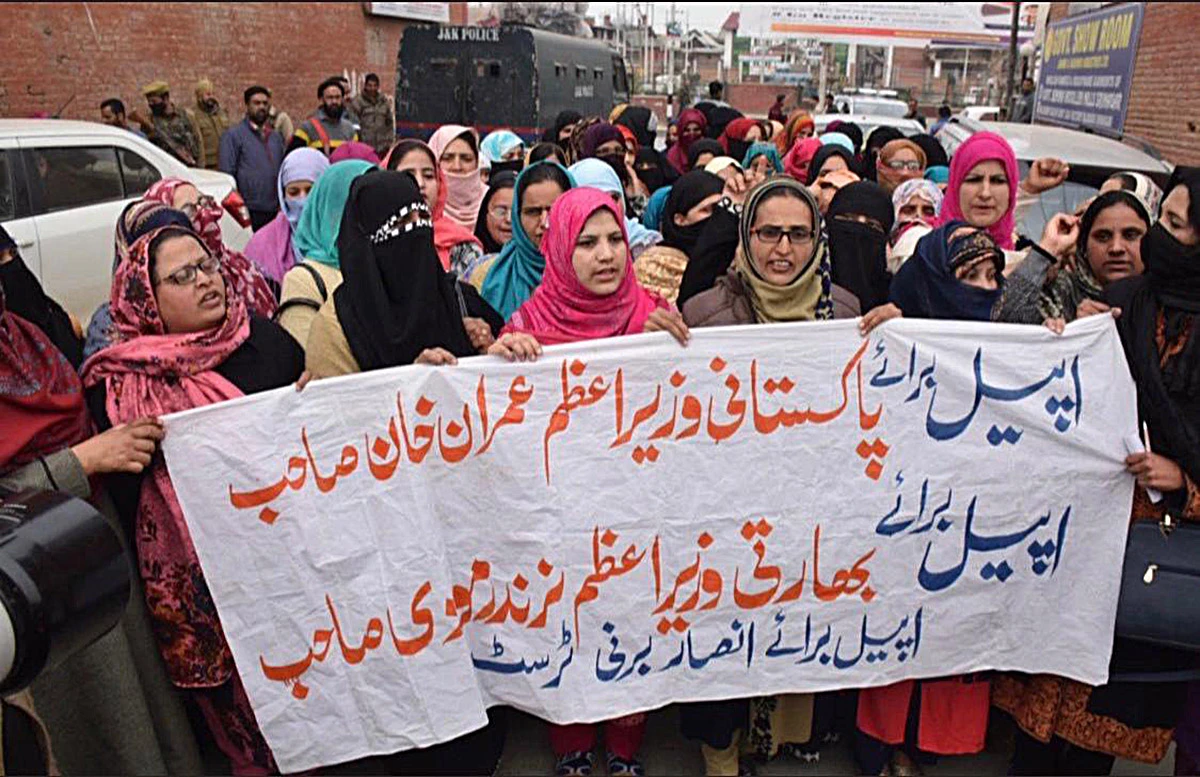
- The women are either divorced or widowed, according to their advocate
- Foreign Office is aware of the issue and in touch with Indian authorities, says spokeswoman
ISLAMABAD: Kubra Gillani has been stranded in a city gone quiet. Around her is a crippling curfew and military lockdown, put in place in Indian-administered Kashmir since Aug. 5, when New Delhi revoked the special status the territory has held for more than 70 years.
Finding work in these circumstances is difficult. “I am alone,” Gillani tells Arab News, over the phone from her rented one-bedroom in Anantnag. “I have no one here. I cannot even begin to tell you how hard these last few months have been, and now I am really losing hope.”
Gillani arrived to the Indian side of the disputed region with her husband who had crossed over into Pakistan in the 1990s. In 2014, he accepted a rehabilitation offer from the then chief minister of Indian-administered Kashmir and took Gillani along.
Soon after they settled down, the abuse began. One day she was bludgeoned and thrown out on the road by her husband, over a minor dispute. A policeman later found her curled up on a street corner, weeping. In 2018, the couple divorced.
Since then Gillani has been longing to return to her family in Muzaffarabad, the capital city Azad Jammu and Kashmir – Pakistan’s chunk of the Himalayan region. But after India indefinitely shut down the valley last year, the 29-year-old’s hopes of going back have dimmed. Early last year, she tried to cross the Wagah border, but the Indian authorities sent her back citing missing travel documents. She would still hear from them, however, but only until Aug. 5. Now, her appeals are met with complete silence, from both India and Pakistan.
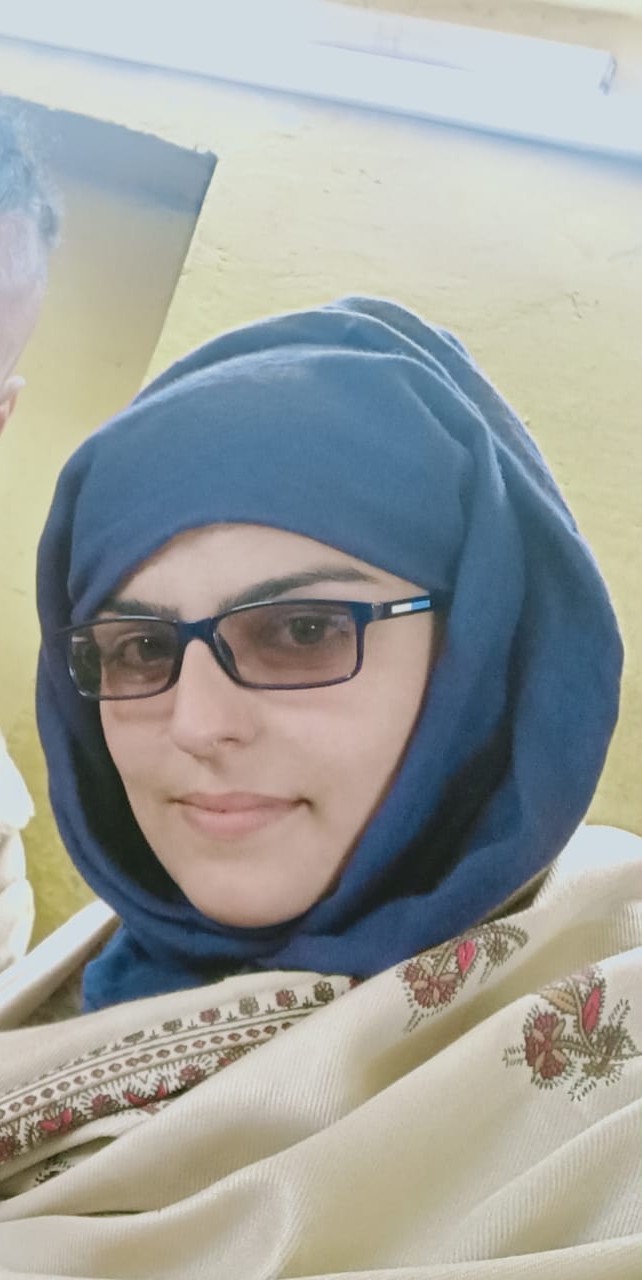
In Pakistan, Gillani’s mother personally delivered a letter to the prime minister of Azad Jammu and Kashmir late last year, pleading for her daughter’s homecoming. “No one has gotten back to me,” Parveen Kazmi told Arab News, breaking down in tears, “What can a woman do in a foreign country? My daughter is a Pakistani (citizen). I am a Pakistani. Will (Prime Minister) Imran Khan listen to us?”
Gillani is not the only one. There are nearly 350 Pakistani women like her on the Indian side of Kashmir, desperate to return to Pakistan, says human rights defender Ansar Burney, who is in regular contact with them. The women are either divorced or their husbands have been killed, he said.
According to Burney, most of them moved to Indian-held Kashmir with their husbands, who were allowed to return under Omar Abdullah’s 2010 rehabilitation policy.
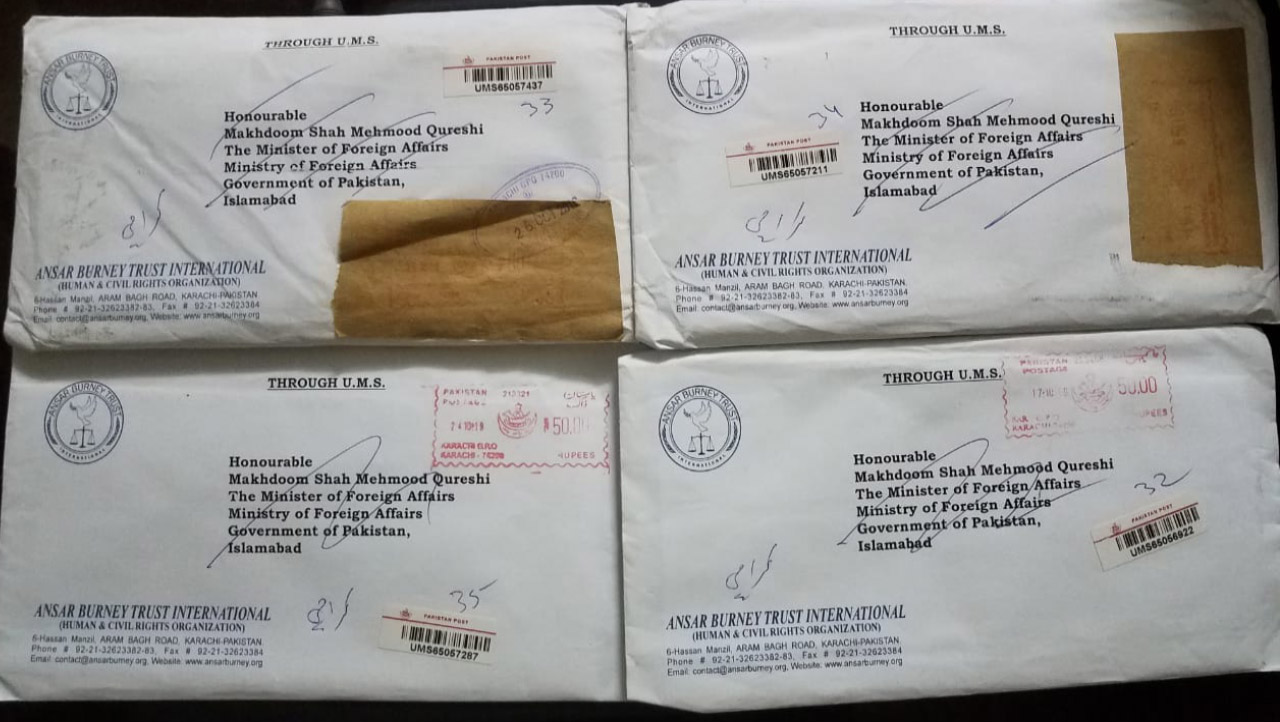
Burney, who financially supports the women, has raised the case with many officials in Pakistan. Last year, he wrote to the Ministry of Interior and the Foreign Office, but did not hear back.
His letter to Foreign Minister Shah Mahmood Qureshi in October was delivered back to him after the Foreign Office refused to accept it – Arab News has seen the delivery receipt.
“In the last 40 years, since I have been working for human rights in Pakistan, the Foreign Office has never declined my application,” he said. “This is the first time something like this has happened.”
Since August, Pakistan has been trying to gather support from the international community against human rights abuses in Indian-administered Kashmir and New Delhi’s move to unilaterally cancel the special status of the disputed region. Prime Minister Imran Khan has repeatedly vowed to take the Kashmir cause forward.
The Pakistani government has also been critical of a recent citizenship law in India that excludes Muslims. The new law, said Burney, has made it more urgent to bring home these women, many of whom have children. “They are helpless. They can never be Indian nationals, neither will they or their children ever get travel documents. Three hundred Pakistani citizens are stuck in Indian-held Kashmir. The prime minister should be naming these women in every speech. Why are we silent?”
Tayyaba Ijaz’s story is similar to Kubra Gillani’s. Ijaz, who originally hails from Abbottabad in Pakistan, has been stranded in the region for over eight years now, with her three minor sons.
Before August, Ijaz, and other women like her, would regularly hold press conferences and stage protests to highlight their plight. But that is not possible in Kashmir today. Although, two of her children were born on the Indian side of the valley, they could not apply for passports.
“My children and I have no identity,” she tells Arab News over the phone, “We are neither Indian, nor Pakistani. If Prime Minister Imran Khan wants to raise the Kashmir issue, he should talk about us first, the Pakistani mothers and daughters. We feel abandoned.”
Foreign Office spokeswoman Aisha Farooqui told Arab News on Tuesday that the ministry is aware of the issue. “We have taken up this matter with the Indian side at the highest level for expeditious repatriation of these women,” she said, but added that necessary clearance from the Indian side is still awaited.
“Our mission in New Delhi is constantly in contact with these women as well as the concerned Indian authorities. The .inistry will continue to follow up the issue with the Indian side at all levels for early repatriation of the said women,” Farooqui said.