- Senator Mushtaq Ahmad Khan of Jamaat-e-Islami party tabled the bill which was rejected by 24 against 14 votes
- Members of former PM Nawaz Sharif’s, former FM Bilawal Bhutto-Zardari’s and other parties opposed the proposal
ISLAMABAD: The Senate, upper house of Pakistan parliament, has rejected a bill seeking public hangings of rapists and sex offenders, which has been a longstanding public demand in the South Asian country.
Thousands of rape cases are reported in Pakistan annually and only a negligible percentage of sexual assault or rape cases results in convictions in the South Asian country, according to rights groups.
Women and children rarely speak out after violent assaults, fearing the shame it would bring on them and their families in the deeply conservative Muslim country of more than 241 million.
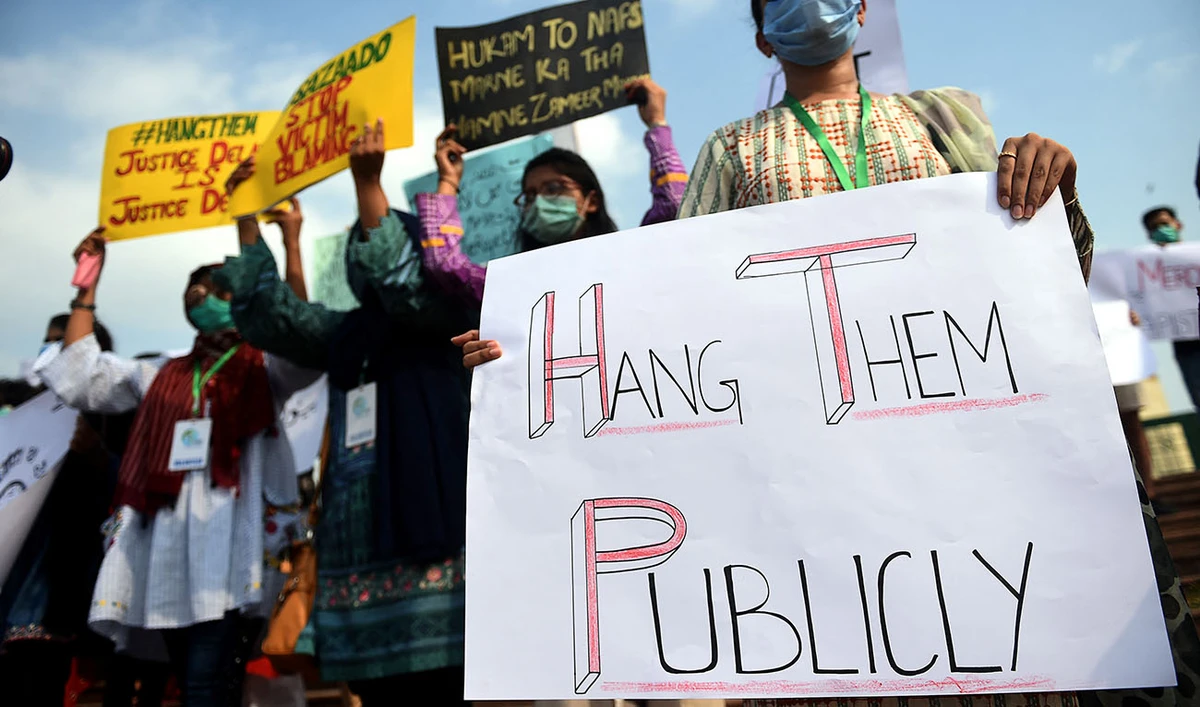
Pakistanis have long demanded public execution of rapists and sex offenders to keep potential offenders from committing such crimes against anyone.
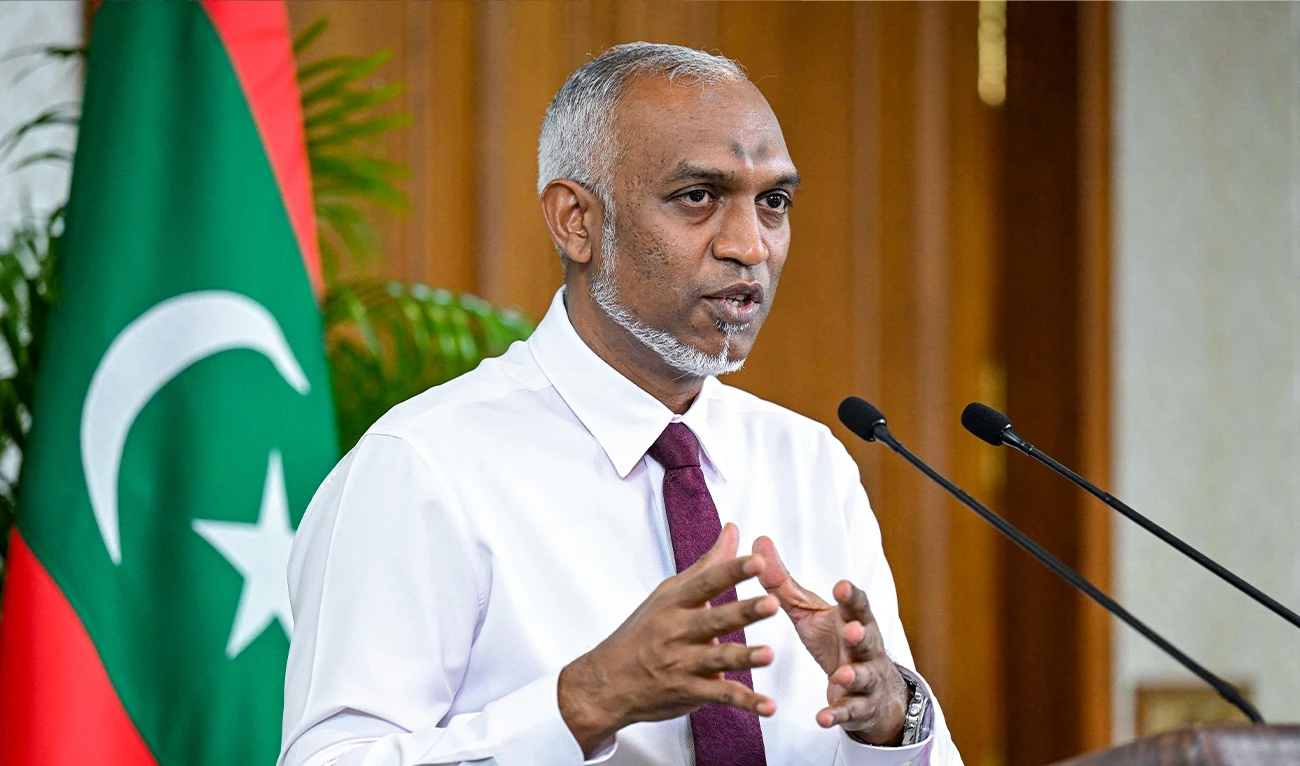
On Monday, Senator Mushtaq Ahmad Khan of the Jamaat-e-Islami religio-political party tabled a bill in the Senate seeking public hanging of such offenders, but it was rejected by a majority of members.
“My bill to publicly hang rapists was rejected by the Senate by 24 votes [in opposition to the bill] against 14 [in favor],” Khan said on Twitter.
“In Pakistan, 12 children are sexually assaulted every day. If you carry out five public hangings in Islamabad and four provincial capitals, I guarantee that our boys and girls will be safe.”
The Pakistan Muslim League-Nawaz (PML-N), Pakistan Peoples Party (PPP), and the Muttahida Qaumi Movement (MQM) parties completely opposed the bill, according to Khan.
Some parliamentarians of the Pakistan Tehreek-e-Insaf (PTI) also voted in opposition of the bill.
In a statement, PPP Senator Sherry Rehman opposed the proposal to introduce public executions for rapists through amendments to the Pakistan Penal Code and Criminal Procedure Code, calling it a “counter effective measure” in deterring sexual crimes.
“The Peoples Party has always had a principled stance against the death penalty, whether public or private. While the PPP staunchly condemns rape as a heinous and grave crime, calling for the death penalty or public executions, as seen in various countries, have not proven to be effective in deterring sexual crimes,” she was quoted as saying.
“We must prioritize enhancing prosecutions and investigations rather than resorting to barbarism and violence within society.”
Rehman noted that there had been attempts at public executions during former military ruler Zia-ul-Haq’s regime in Pakistan, which failed to reduce the crime.
“If public hanging is advocated for one crime, it will be demanded for other offenses as well. The PPP focuses on the importance of addressing the prevailing anger toward violence and sexual crimes through comprehensive measures, including improved funding for the police, enhanced criminal investigations, and better training for officers handling rape cases,” she said.
“There is a need for a nuanced and well-thought-out approach to address crimes against women, focusing on comprehensive legal reforms and cultural changes rather than resorting to public executions. In contemporary 21st-century society, we cannot revert to medieval practices, as public executions to eliminate crimes; instead, they will have other detrimental effects on society.”