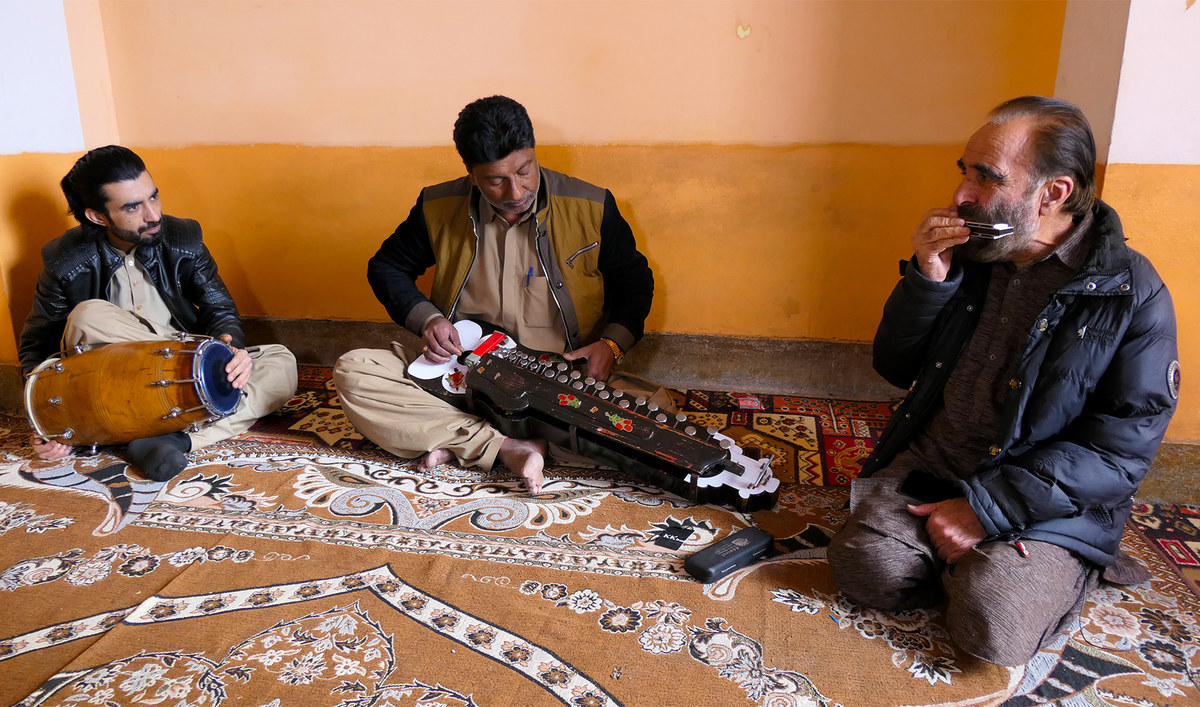
- Ali Jan Kasi is said to be the only artist in Balochistan who knows how to play diverse compositions on a mouth organ
- The middle-aged instrumentalist says he doesn’t charge his students anything since he wants them to learn music
QUETTA: Ali Jan Kasi, an instrumentalist in Pakistan’s southwestern Balochistan province, takes out a silver mouth organ from his pocket and begins to play an Indian ghazal on a cold winter’s evening in Quetta.
A contractor by profession, Kasi belongs to a dominant Pashtun tribe that has lived in the area for several centuries, though its conservative character could not stop him from following his passion for music or developing his ability to play harmonica.
“I used to go to a small mountain near my house in Quetta where some people would come and play mouth organ,” the 55-year-old artist told Arab News. “This also attracted me at the age of 20 when I decided to learn and play the instrument.”

Pakistan’s southwestern province has a rich cultural heritage which includes folk music which is best played on indigenous instruments like dambora, suroz, chang and rabab.
However, Kasi maintained it was possible to play local melodies on a mouth organ, originally invented in Europe in the 18th century, since it “sounded much like a harmonium.”
In recent decades, young residents of Balochistan have come to pay greater attention to western and Indian music, though Kasi said his taste was diverse and he also cherished Pashto, Balochi and Punjabi songs.
“Kasi plays the songs of India’s famous playback singer Lata Mangeshkar on harmonica while I give Balochi folk music in the background,” Abdul Khaliq who plays banjo told Arab News. “There must be several people who play mouth organ in other provinces of the country. But we have not heard anyone else play this instrument in Balochistan more skillfully other than Kasi.”
The Balochistan government has approved Rs100 million to establish a performing arts academy in the province and promote folk music among the youth.
“I am very fascinated to hear about this harmonicist in Balochistan who can play this western musical instrument,” provincial information secretary Hamza Shafqaat told Arab News when asked about the future of such artists in the country’s most impoverished region. “The Balochistan administration has been supporting and appreciating local artists. We will also promote his art at the government level.”
Shafqaat informed the provincial arts and culture department invited musicians in Balochistan to government functions to project their work within the community.
“If a person is contributing to society through artistic performances, we also recommend them for the Pride of Performance Award, Pakistan’s highest medal of excellence,” he continued.
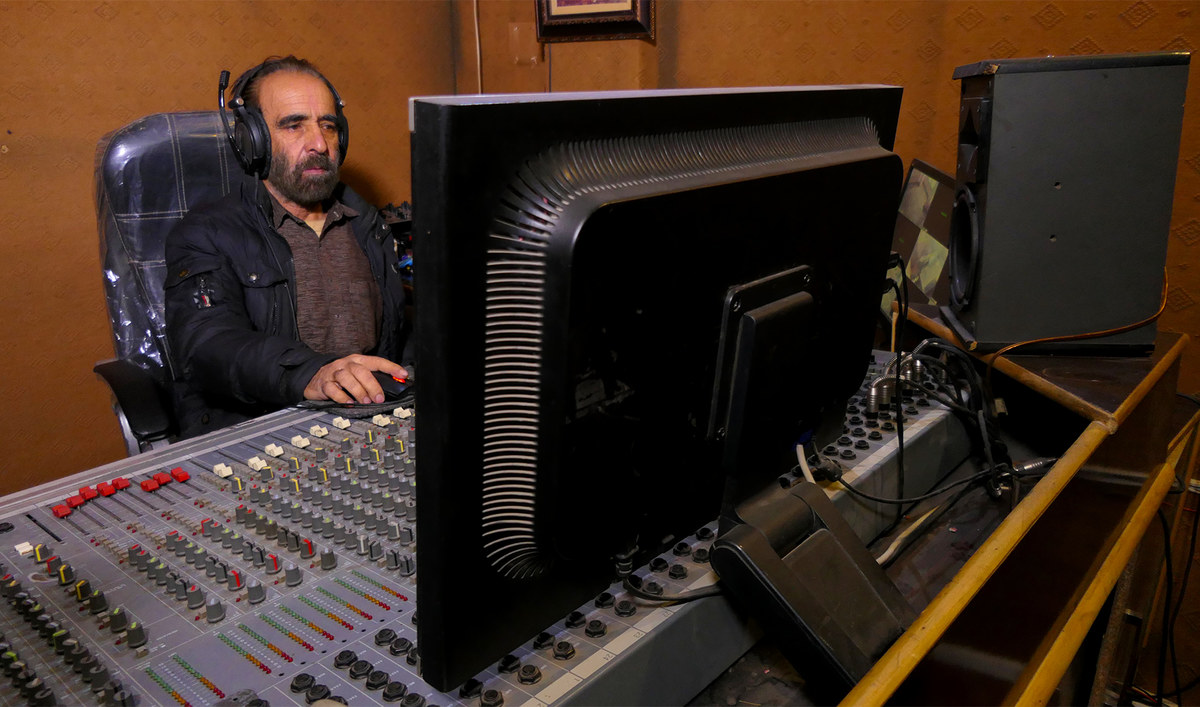
Kasi said that he ran a local music studio in Quetta where he composed and mixed Balochi, Brahvi and Pashto songs. However, he continued that he never requested the government or any official for help since he started playing harmonica for himself.
He said he also taught young students how to play the wind instrument while adding that his ambition was to create unique music through a fusion of western and local cultural melodies.
“I have never demanded fee from my students who come to learn and play the mouth organ because I have always considered music as my passion not profession,” Kasi said.