- Pakistan Medical Association criticizes federal government for relaxing virus-related curbs, calls it ‘premature’ decision
- The country reported 4,207 new COVID-19 cases and 131 deaths in the last 24 hours
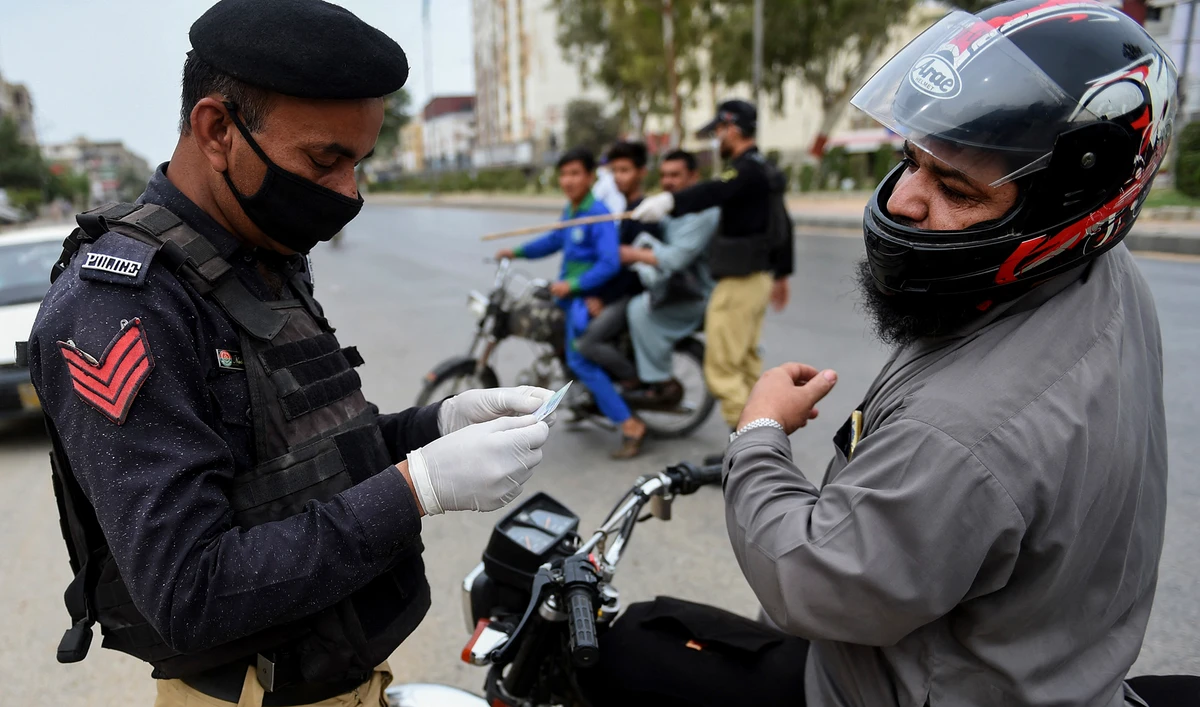
KARACHI: The provincial government of Sindh has decided not to relax coronavirus restrictions due to a surge in infection numbers following last week’s Eid Al-Fitr holiday, a senior official said on Thursday.
Pakistan witnessed a drop in coronavirus cases in the last two weeks after the central government imposed a temporary ban on tourism and public transport while reducing market timings in cities. But federal authorities on Wednesday decided to ease some restrictions.
According to the National Command and Operation Center, which oversees the country’s pandemic response, Pakistan reported 4,207 new COVID-19 cases and 131 deaths in the last 24 hours.
The Sindh administration’s decision came after a meeting of a provincial taskforce on the coronavirus that was held to review the COVID-19 situation.
“It was decided that the current restrictions will remain intact,” a spokesperson for the Sindh chief minister, Rasheed Channa, told Arab News. “If the ratio of cases drops down, restrictions will be eased, but harsher restrictions will be imposed in case of further surge in numbers.”
Meanwhile, a leading network of doctors in the country issued a statement expressing serious concern over the federal government’s decision to relax the coronavirus restrictions on commercial activities.
“The Pakistan Medical Association [PMA] believes that the decision of lifting the restrictions is premature,” its general secretary Dr. Qaiser Sajjad said on Thursday. “This hasty decision can lead to a resurgence in COVID-19 cases.”
He continued that the decision should have been taken after about a week.
“Even before the third wave of the coronavirus, PMA had warned the government not to lift the restrictions because the situation was likely to worsen and it happened,” the association said in its statement. “The situation all over Pakistan deteriorated, especially in Punjab, [Khyber Pakhtunkhwa] and Islamabad.”
Dr. Sajjad also blamed the government’s “attitude” for the sudden surge in COVID-19 cases.
“We regretfully say that the resurgence of coronavirus cases always takes place due to the government’s flexible attitude in implementing SOPs [standard operating procedures] strictly,” he said, adding it would be difficult to overcome the situation “with this attitude.”
The PMA statement specifically noted the situation in Pakistan’s most densely populated southern city of Karachi, saying it was “worsening day by day.”
“The positivity ratio is rapidly increasing,” the statement read. “If the situation is not controlled, the increasing burden of disease will further raise. Beds at the coronavirus-designated hospitals in Karachi are getting short.”
The Sindh Health Department on Thursday announced an around the clock vaccination facility at the Expo Center Karachi that would operate throughout the week.
“This will help people who are unable to get vaccinated during business hours,” an official statement circulated by the provincial health authorities said.