- Minister calls for faster border crossings, stronger freight rail and logistics hubs
- Renewed Pak-Afghan fighting complicates plans for reliable trade routes to Pakistani ports
ISLAMABAD: Pakistan called on regional governments and lenders on Tuesday to improve roads, border crossings and rail freight links that could give landlocked Central Asian countries a more reliable route to Arabian Sea ports.
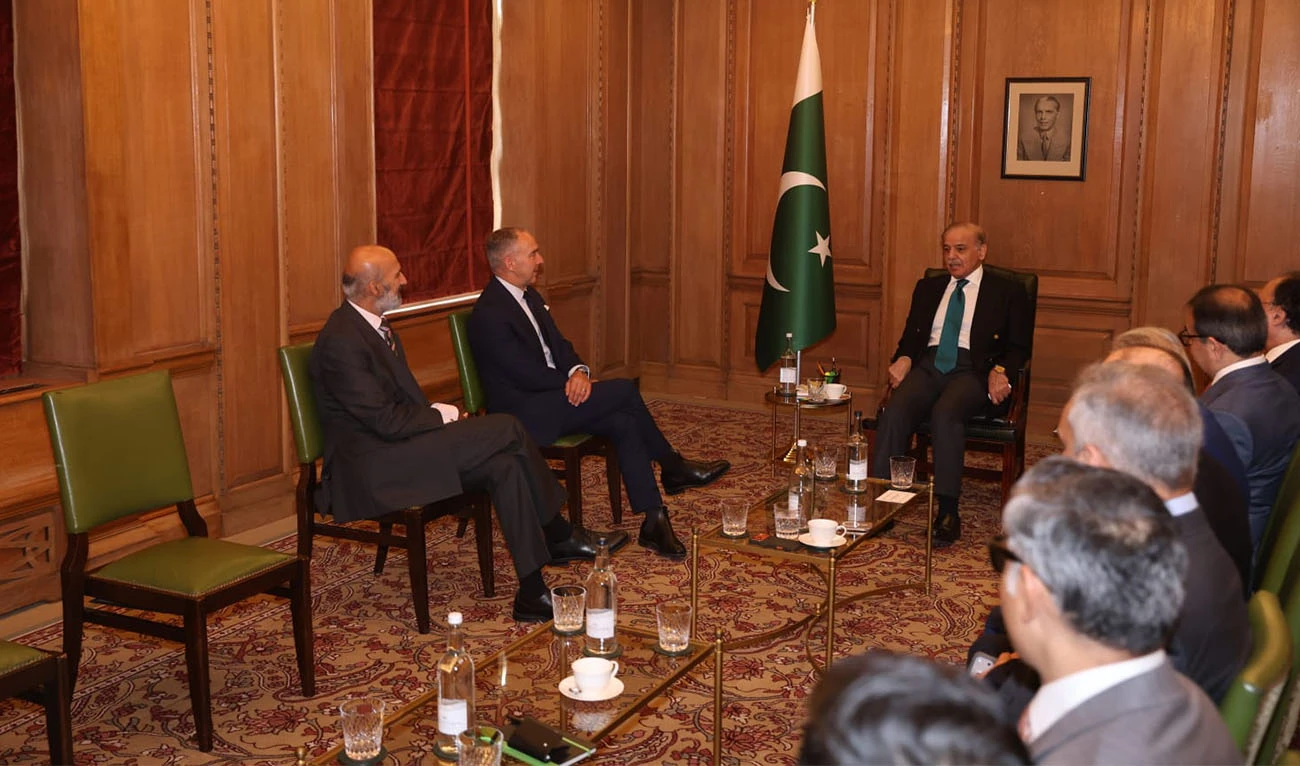
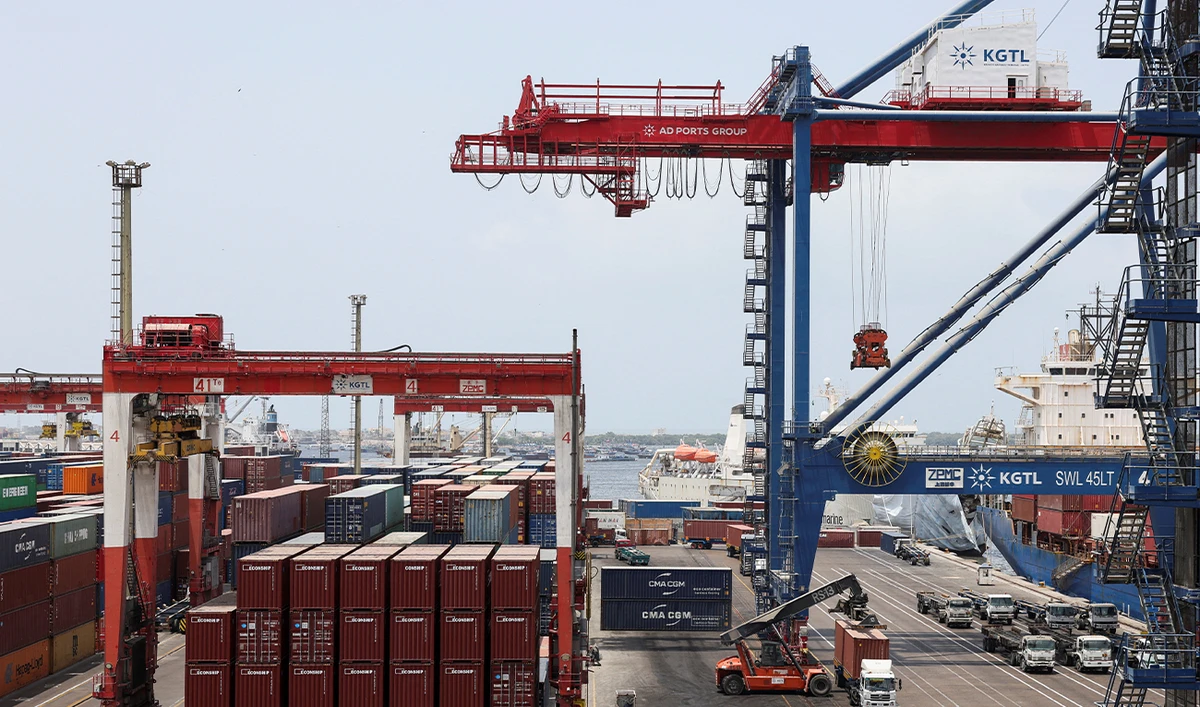
This was proposed by Planning Minister Ahsan Iqbal while speaking at a conference in Mongolia of the Central Asia Regional Economic Cooperation program, an Asian Development Bank-supported initiative that coordinates transport, trade and other projects across the region. Pakistan sits at the southern end of two of its designated transport corridors, offering potential access to the ports of Karachi, Port Qasim and Gwadar. The corridors are networks of existing and planned links, rather than newly announced railway lines.
For countries such as Uzbekistan, a route south through Afghanistan and Pakistan could provide another way to move goods to global markets. Pakistan hopes to gain transit business and expand its own exports. But the plan depends on cargo moving predictably across borders and through Afghanistan, where renewed fighting with Pakistan has added to long-standing transport difficulties.
Iqbal said Pakistan wanted to turn what the program calls Corridors 5 and 6 into economic routes supported by better roads, freight rail, border facilities and logistics hubs, according to a Pakistani government statement on his remarks.
“The question is no longer simply, ‘Can a truck travel this route?’ It is, ‘Can a business use this route reliably, competitively and profitably?’” he said.
The distinction matters for exporters moving time-sensitive goods. In the program’s latest published assessment of Pakistan’s border performance, covering 2023, road freight took an average of about 33 hours to clear a Pakistani border crossing. The assessment identified delays at Torkham and Chaman, the main crossings with Afghanistan, along with weak rail freight capacity and fragmented procedures.
Iqbal called for modern facilities at both crossings, stronger links from inland freight terminals to seaports, and warehouses, cold storage and packaging facilities along the routes. He also proposed greater use of electronic documents so shipments could be checked before reaching a border. The statement announced no new financing or timetable for those proposals.
Security poses a further obstacle. Pakistan accuses Afghanistan’s Taliban government of sheltering militants who attack Pakistan, an allegation Kabul denies. Pakistan carried out strikes in Afghanistan last week, saying it had targeted sites used for drone attacks. Afghan officials said civilians were killed. Earlier fighting between the neighbors has shut border crossings and stopped trade and transit, demonstrating how quickly a transport route can be disrupted.
Pakistan is also seeking to upgrade its main railway from Karachi to Peshawar, a separate domestic project that could improve freight movement toward the ports. The Asian Development Bank has approved funding to prepare an initial Karachi–Rohri upgrade and is considering construction financing. The wider railway overhaul remains dependent on further investment.
Iqbal urged member countries to coordinate projects across whole routes rather than improve isolated stretches. Whether the proposed trade links deliver the access Pakistan and Central Asian countries seek will also depend on dependable transit through Afghanistan.