- Meeting comes as Washington plans to use half of $7bln in frozen Afghan assets to satisfy lawsuits over 9/11 attacks
- Pakistan has questioned the US decision, saying how to utilize the funds should be ‘sovereign decision of Afghanistan’
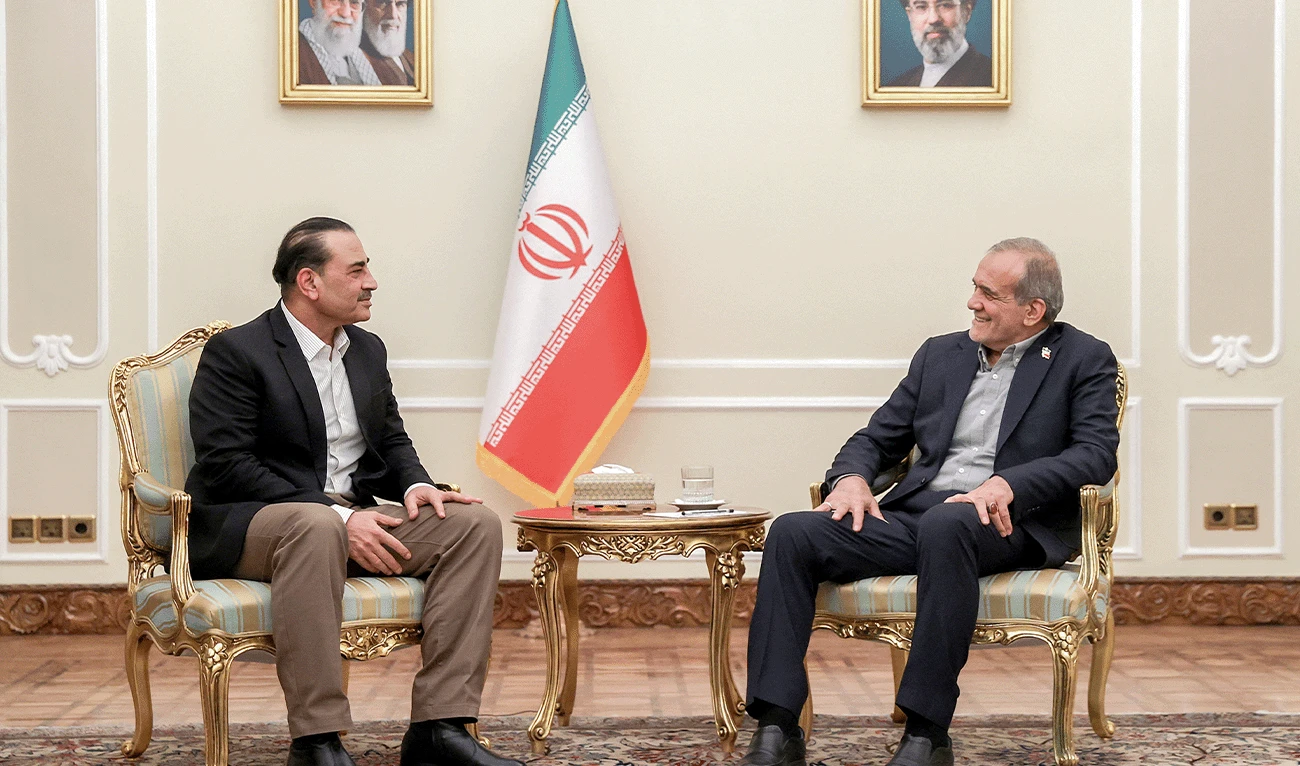
ISLAMABAD: Pakistan’s ambassador to Afghanistan Mansoor Ahmad Khan on Sunday met with Afghanistan’s former chief executive Abdullah Abdullah and discussed efforts for “lasting peace” in the war-torn country.
The meeting comes days after the United States (US) administration said it would work to ensure access to $3.5 billion of the assets would benefit the Afghan people, amid calls for the money to be used to address a deepening economic crisis since the Taliban seized power last year.
The other half of the funds would remain in the US, subject to ongoing litigation targeting the Taliban, including by relatives of those who died in the September 11 attacks.
In a tweet on Sunday, the Pakistani envoy confirmed his meeting with the former Afghan chief executive.
“Discussed matters of mutual interest between Pakistan and Afghanistan for lasting peace, stability and progress in Afghanistan and the region,” Ambassador Khan said.
Dr. Abdullah said he was pleased to welcome the Pakistani envoy at his residence and discussed with him the current developments.
On Sunday, former Afghan president Hamid Karzai also called on US President Joe Biden to reverse his decision to direct $3.5 billion of Afghan funds to the relatives of 9/11 victims.
Earlier, Da Afghanistan Bank (DAB), the Afghan central bank, criticized the US decision, saying its assets had been invested in the US in line with international practices and belonged to the people of Afghanistan.
The central bank funds have been frozen since the Taliban took over the country as foreign forces withdrew in August last year. The frozen funding combined with sanctions and a drop off in development funding have sent the country’s economy into freefall, unleashing a humanitarian crisis.
Munir Akram, the permanent representative of Pakistan to the United Nations, said “half a loan is better than none” about Washington’s plan to use half the bank’s $7 billion in frozen assets on US soil for humanitarian aid and set aside the rest to possibly satisfy lawsuits over the September 11, 2001 attacks.
“Half a loaf is better than none,” Ambassador Munir Akram was quoted by state-run APP as saying. However, the ambassador also added that “there is something wrong with a financial system where one state can unilaterally block the national assets of another to pay off questionable claims by its own citizens.”
“We have consistently joined the calls of the international community as well as the senior UN officials and the international humanitarian actors to unfreeze Afghanistan’s reserves,” Akram said. “This money is critically needed to revive and sustain the Afghan economy, inject much needed liquidity, and to save millions of lives in the middle of a harsh winter,” he said.
“In addition, this money is also needed to provide basic amenities to the people including health and education as well as to build critical infrastructure,” he added. “The most effective and generous display of solidarity with the people of Afghanistan at this critical juncture would be the return of the national assets of Afghanistan to its people to whom they belong and to whom they must return.”
On Saturday, Pakistan’s foreign ministry questioned the US decision of setting aside half of the Afghan assets held in the US for the victims of the 9/11 attacks, saying the utilization of the Afghan funds should be the “sovereign decision of Afghanistan.” In a carefully worded statement, the foreign office said Pakistan’s principled position on the frozen Afghan foreign bank reserves remained that “these are owned by the Afghan nation and these should be released.”
Taliban spokesperson Suhail Shaheen said on Twitter on Sunday central bank reserves did not belong to governments or factions but were the property of the people of Afghanistan:
“It is only used for implementation of monetary policy, facilitation of trade and boosting of financial system of the country. It is never intended to be used for any other purpose rather than that. It’s freezing or disbursement unilaterally for any other purpose is injustice and not acceptable to the people of Afghanistan.”