- Pakistan says pilgrims must be on time to avoid cancelation of their Hajj applications
- Pilgrims can use government’s official Hajj portal or Pak Hajj mobile app for payments
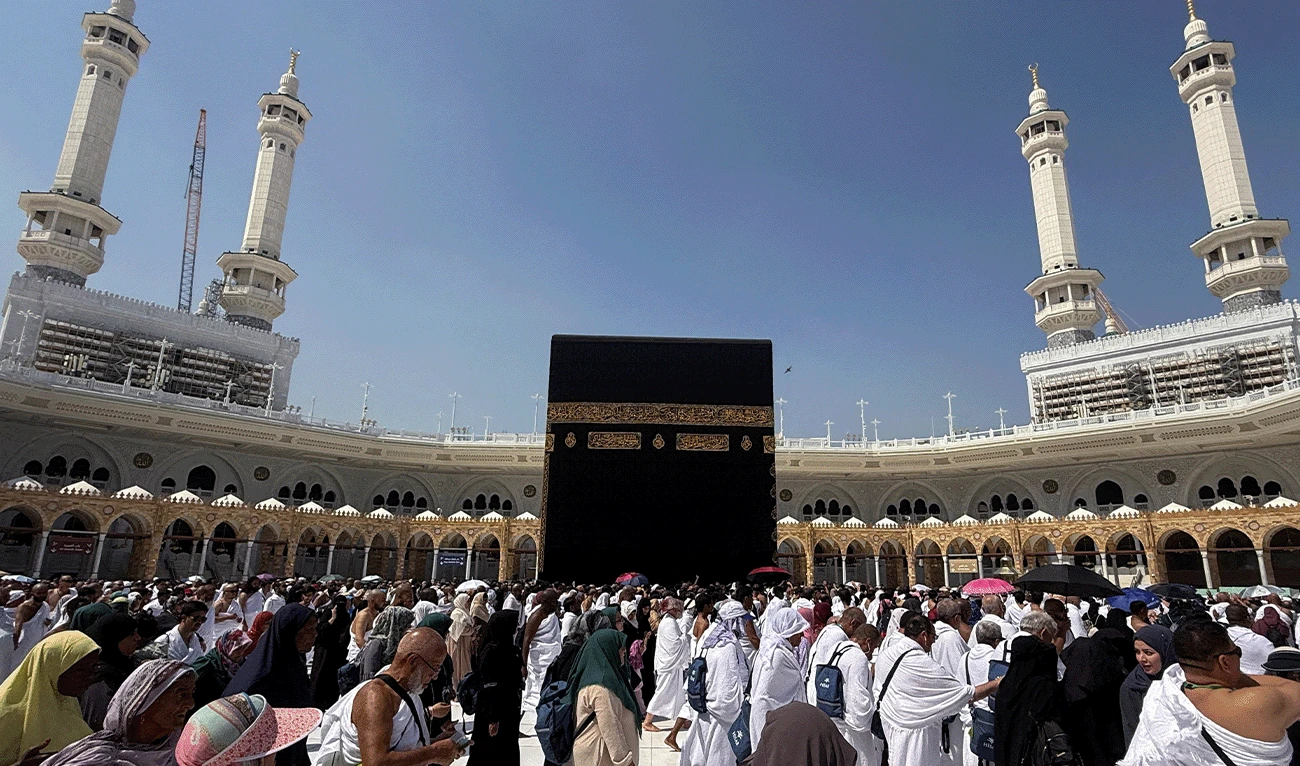
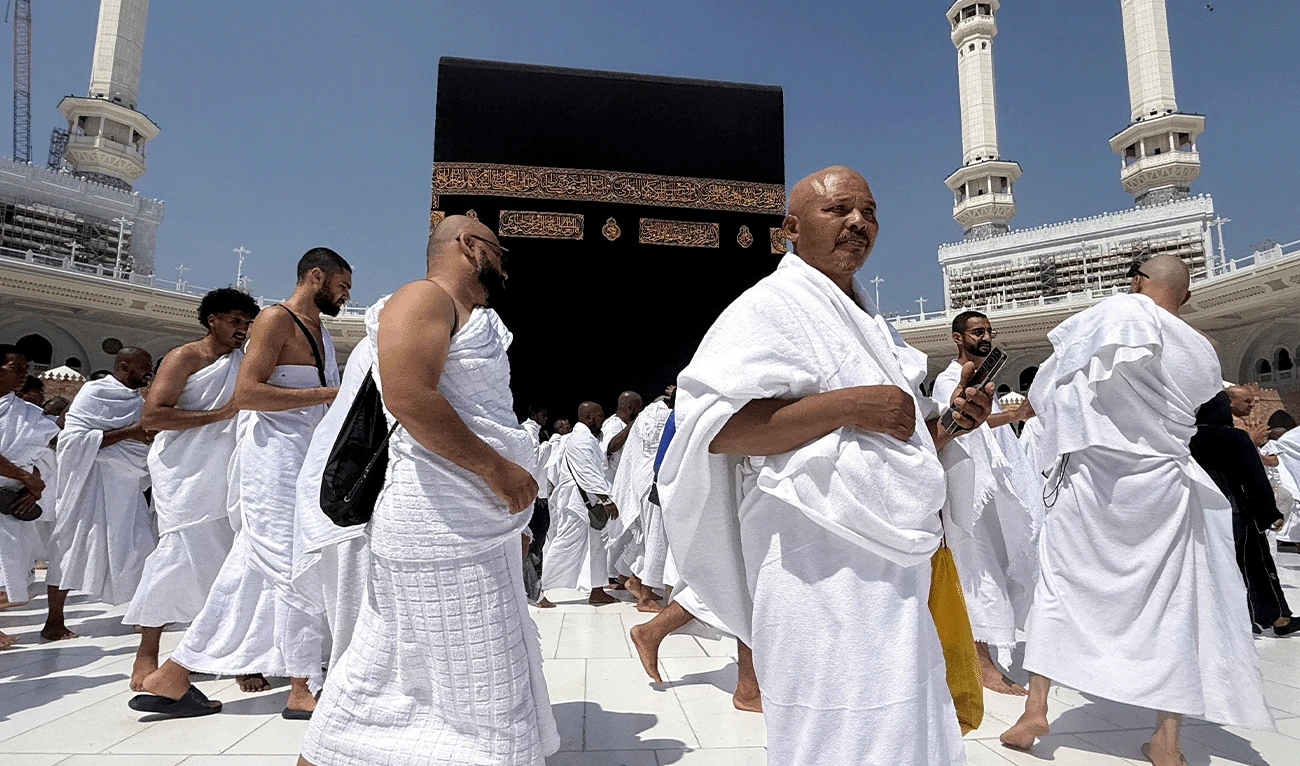
ISLAMABAD: Pakistan’s religious affairs ministry on Friday urged intending pilgrims to ensure they pay the second instalment of their Hajj 2027 dues before Oct. 20, stressing that people must pay on time to avoid cancelation of their Hajj applications.
Pakistan allowed pilgrims to make payments for Hajj pilgrimage in instalments in November 2024, when it unveiled its Hajj policy for the year 2025. The government says the move facilitates people who cannot not make large payments for the annual Islamic pilgrimage at once.
Pakistan allocated 107,526 slots, including 30,000 for a shorter package, to the government scheme this year, while another 71,696 slots have been allocated to the private scheme for next year’s Hajj. The government has announced that pilgrims would pay Rs1.2 million ($4,334) for a 40-day Hajj package and Rs1.3 million ($4,695) for a shorter, 20- to 25-day package under the government scheme.
“Four days remain for the payment of the second instalment of Hajj dues,” the religious affairs ministry said in a statement. “Government scheme Hajj pilgrims must complete payment of the second instalment before Oct. 20.”
It said pilgrims should use the National Information Technology Board’s (NITB) Hajj portal or the Pak Hajj mobile application to make payments. It clarified that payments through the portal can be made using a bank card, One Link or a manual bank challan.
“Pilgrims must pay their dues on time to avoid cancelation of their Hajj applications,” the statement said.
It said that pilgrims are required to download the medical fitness certificate available on the Hajj portal and have it verified by a doctor. It added that uploading a verified medical fitness certificate on the portal is also mandatory.
Every year, thousands of Pakistani pilgrims travel to Saudi Arabia’s holy sites to perform Hajj pilgrimage. The exercise involves hectic arrangements by the government and private tour operators in terms of booking flights, ensuring food and accommodation for Pakistani pilgrims during their stay in Saudi Arabia.