- Government says bulk of Pakistan’s $530 million annual meat exports already goes to Gulf markets
- Saudi Arabia, UAE, Kuwait, Qatar major buyers as Islamabad seeks to overcome disease, traceability barriers
ISLAMABAD: Pakistan will allow duty-free imports of high-yield livestock for specially designated farms aimed at re-exporting animals and meat, the government said this week, as it seeks to expand sales to Gulf markets including Saudi Arabia and the UAE.
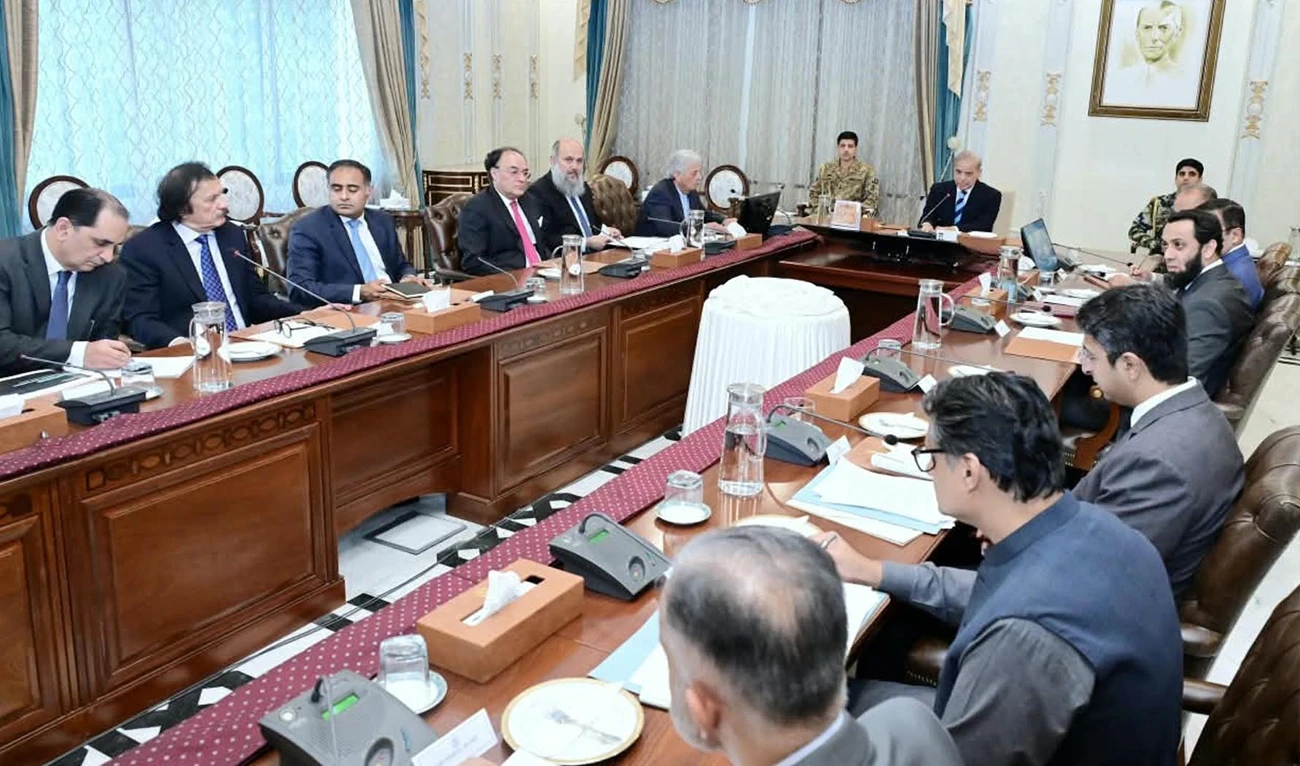
Prime Minister Shehbaz Sharif approved the establishment of the farms at a meeting on livestock-sector reforms in Islamabad, directing authorities to introduce a modern tagging system to ensure imported animals raised at the facilities were ultimately exported.
The initiative is part of a broader effort to turn one of the world’s largest livestock populations into a bigger source of foreign exchange. Pakistan exported about $530 million worth of meat and meat preparations in the fiscal year ending June 2026, with the government saying the bulk went to Gulf countries including the UAE, Saudi Arabia, Kuwait and Qatar.
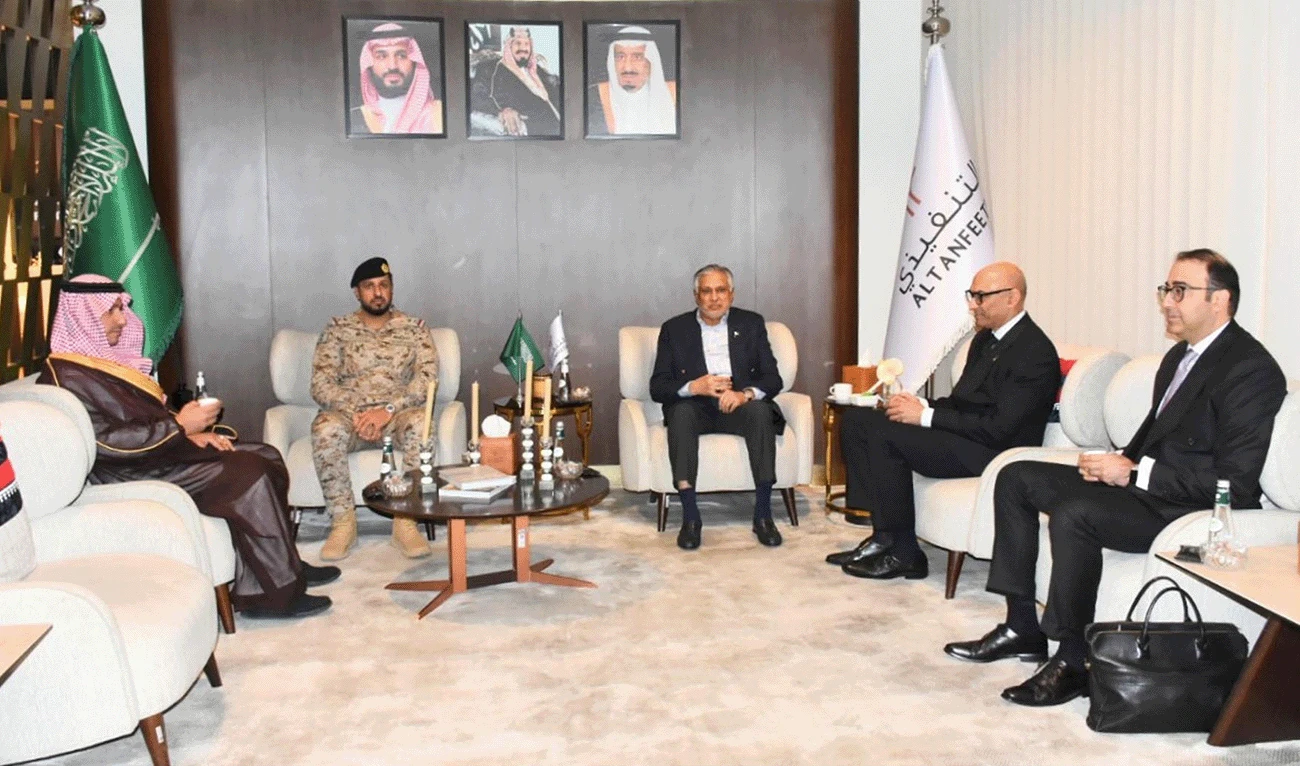
The Gulf has long been Pakistan’s most important overseas market for meat, helped by geographical proximity and demand for halal products. Saudi Arabia alone currently imports around 30,000 tons of Pakistani red meat worth approximately $167 million annually and has expressed interest in gradually doubling purchases, according to a joint communique issued after bilateral agricultural talks last month.
“Special farms should be established for livestock exports,” Sharif was quoted as saying in a statement from his office, directing that “high-yield, superior-breed livestock” be imported and raised at the facilities.
He ordered the imports to be exempted from duties and called for Pakistan’s livestock industry to be reorganized along corporate lines, with private-sector experts involved in designing and implementing reforms.
Despite its large animal population and growing meat production, Pakistan has struggled to translate its livestock resources into substantially higher exports.
Livestock accounts for nearly 15 percent of Pakistan’s gross domestic product and more than 60 percent of agricultural value added, while around eight million rural households depend on the sector, according to official data. The government said on Monday the country had about 245 million livestock and produced 6.31 million tons of meat annually.
Pakistan’s Trade Development Authority says exports have been constrained by the prevalence of foot-and-mouth disease, weak animal traceability, fragmented supply chains and the inability of some processors to meet international food-safety and quality requirements. Those barriers have restricted access to many overseas markets and contributed to Pakistan’s reliance on Gulf buyers.
Sharif directed authorities to submit within two weeks an action plan with specific targets for eliminating foot-and-mouth disease and ordered international certification of slaughterhouses, including third-party validation of standards.
The government also plans to expand animal disease surveillance and digital vaccination monitoring, establish disease-free zones and export-grade farms and improve cold-chain, feedlot, deboning and value-added processing facilities.
The measures come as Islamabad and Riyadh seek to expand agricultural trade. Saudi Arabia is already Pakistan’s second-largest meat export destination after the UAE, according to government data, and the two countries last month discussed livestock and food-processing investment alongside plans to increase Pakistani red-meat shipments.
Pakistan exported 114,046 tons of meat and meat preparations worth $530.25 million in fiscal 2025-26, compared with 114,157 tons worth $495.11 million a year earlier, official trade data showed. The figures indicate that export earnings rose despite virtually unchanged volumes, increasing the value of shipments by about 7 percent.