- The government plans to offer incentives to the country’s oil refineries to upgrade and produce fuel with Euro-V specifications
- The draft of the Oil Refining Policy, 2021, says the deregulation mechanism will be finalized in consultation with all stakeholders
KARACHI: Pakistan plans to fully deregulate its petroleum product market in 2027 after the country’s oil refineries make necessary technical upgradations in 2026, according to the draft of the upcoming Pakistan Oil Refining Policy, 2021, seen by Arab News.
Earlier this month, the Cabinet Committee on Energy had given the policy its approval in principle, though it was still required to go through various phases before its final endorsement.
Petroleum product rates in Pakistan are currently determined by the government that periodically revisits them to keep them consistent with the price fluctuations in the international market.
“The target date for full deregulation is December 31, 2027,” the document says. “The mechanism for deregulation will be finalized in consultation with all the stakeholders.”
“The objectives of this policy include a shift to complete deregulation on pricing within a defined time period to be reviewed by the Government of Pakistan to allow the benefit of competitive forces to pass on to the consumers,” the draft adds.
Pakistan plans to offer various incentives, including a 10-year income tax holiday, to oil refineries in the country that are willing to upgrade their hardware to produce fuel with Euro-V specifications.
The Euro-V standards require a cutdown in the sulfur content to avoid air pollution and improve vehicle efficiency which is mostly affected by low quality fuels.
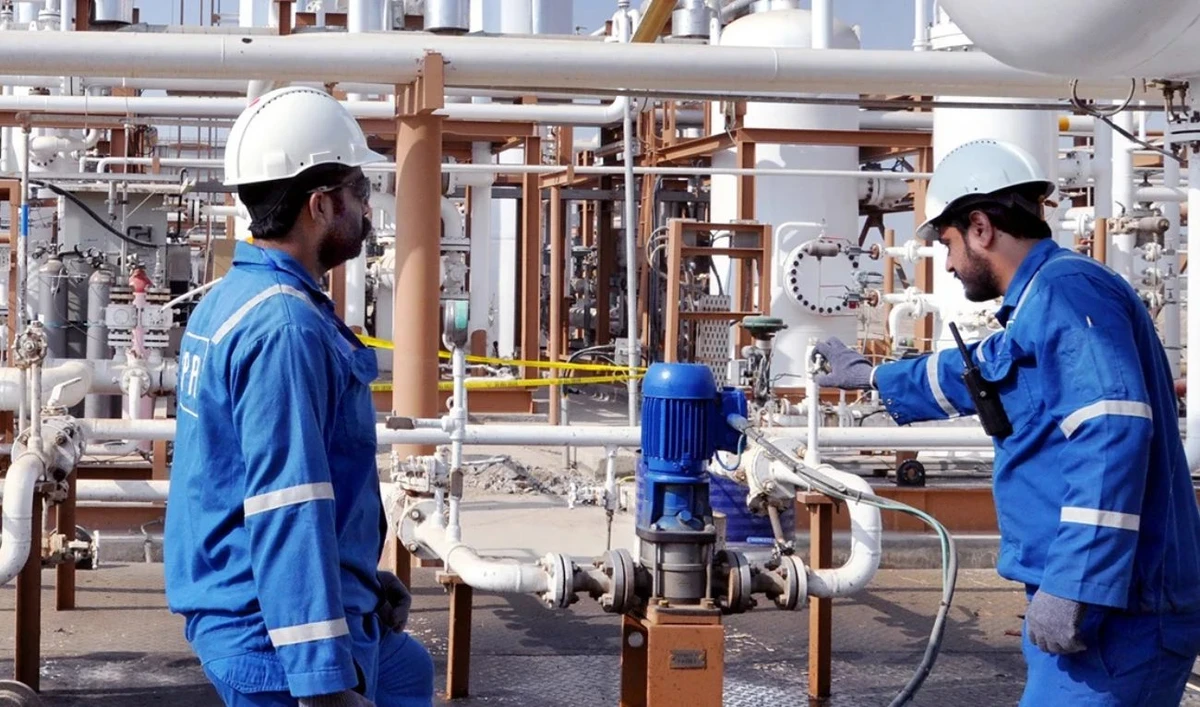
At present, there are five oil refineries in Pakistan with can reach a maximum collective output of 450,000 barrels per day. If these oil refineries work at their optimal capacity, they can yield up to 20 million tons of oil per annum.
The government has also decided to announce tariff protection for six years for the refineries that choose to upgrade. According to petroleum experts, the minimum financing for the upgradation of hardware would roughly be around $4-5 billion.
“Roughly, the refineries will need four to five billion dollars in the next five years to upgrade and produce fuel with Euro-V specifications,” Dr. Nazar Abbas Zaidi, former secretary of the Oil Companies Advisory Council, said.
He added the existing refineries had sought the government support which was likely to be offered through various incentives under the new policy.
“The upgradation of refineries is vital to ensure the country’s energy security,” Zaidi continued.
According to the draft policy, the Pakistani oil refineries are required to complete the upgradation process by December 31, 2026.
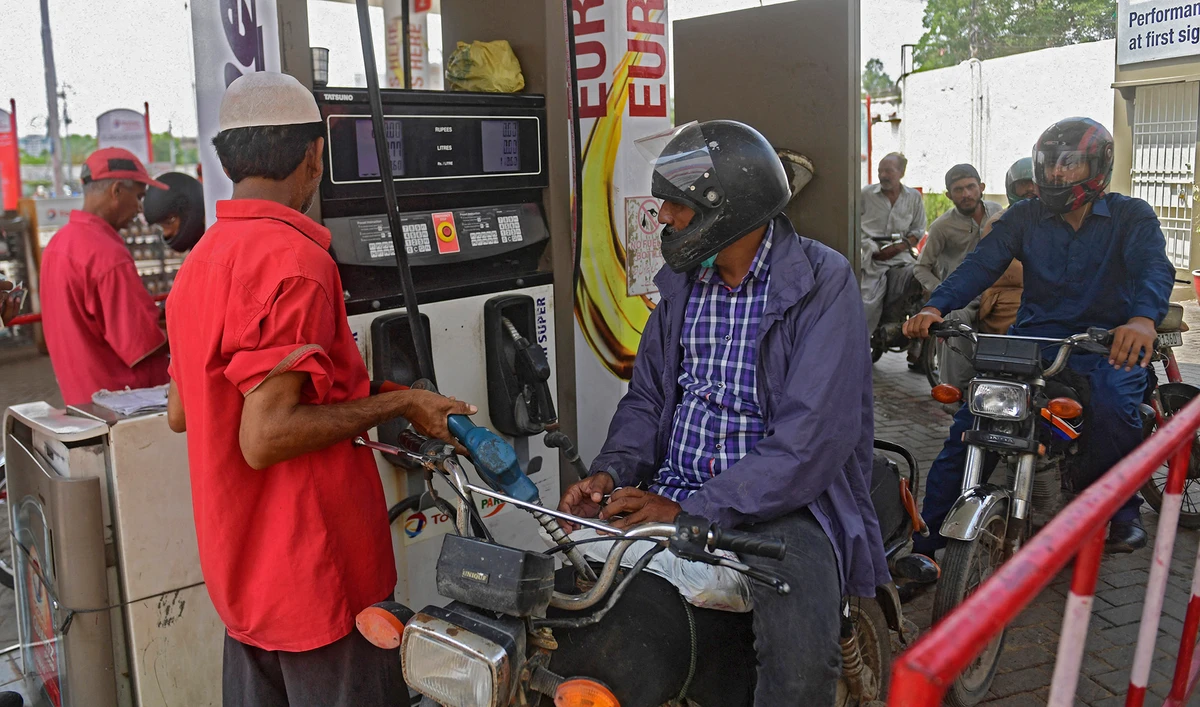
The document further says the deregulation will allow oil marketing companies (OMCs) to set the prices themselves, based on the quality of fuel, the location and other value-added services.
“Under the deregulated petroleum market, the role of the government will be minimized and market forces will determine the price of different kinds of fuels on the basis of their demand and supply,” Samiullah Tariq, director research at the Pakistan-Kuwait Investment, said.
“The deregulated environment will promote competition among the refineries and consumers will have the option to choose the best product at competitive rates,” he said.
Tariq maintained the regulated regime was one of the key factors that discouraged the upgradation of the country’s existing oil refineries.
According to the proposed policy, the deregulation model is already functional in the country for Hi Octane Ron 97.
“However, even in this [deregulated] environment, the product pricing at the pumps operating under the banner of Pakistan State Oil shall set a market benchmark, since PSO has the largest footprint across the country and is majority owned by the government,” it says.
Other OMCs may charge more or less than the PSO, depending on their level of service, convenience of location and quality of products.
“The actual spirit of deregulation will be witnessed after the government abolishes the inland freight equalization margin,” Aftab Hussain, former chief executive officer of Pakistan Refinery, told Arab News. “This implies that the fuel may become two rupees cheaper in Karachi or two rupees costlier in Peshawar.”
“If the government wants to deregulate on the basis of ex-refinery rates in 2027, it can do it now because furnace oil and jet fuel are already deregulated products,” he said, adding that there were several things in the proposed policy that needed clarification.
Petroleum expert said there would be multiple benefits of the upgradation of oil refineries and deregulation of petroleum products.
“The major benefit of the deregulated market environment will be a uniform standard of petroleum products in our country,” Zaidi said. “At present, high sulfur content in fuel is causing health issues that need to be addressed.”
A Texas-based energy expert, Masood Abdali, said the upgradation of Pakistan’s oil refineries will also cut the country’s import bill.
“Presently, a substantial quantity of crude that is being exported due to a lack of refining capabilities will also be processed in the country which will cut down the import bill,” he said.
Pakistan has exported 49,272 metric tons of crude worth $28.3 million during the current fiscal year, up by 88 percent as compared to the corresponding period last year.