- Official says Islamabad hopes for two Qatar cargoes in October, but deliveries remain unconfirmed
- Business group urges winter contingency plan to protect households, fertilizer production, electricity generation
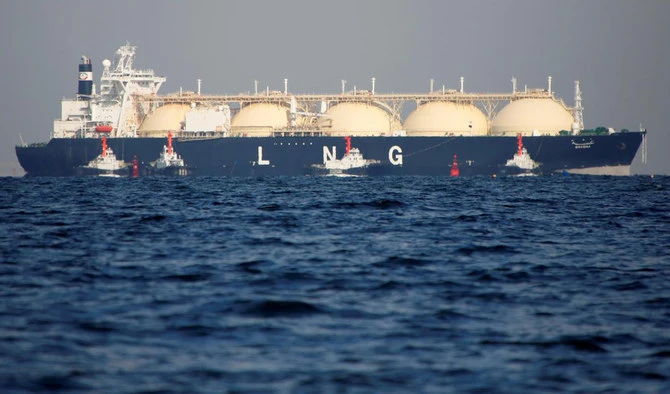
ISLAMABAD: Pakistan is seeking additional liquefied natural gas supplies ahead of winter after QatarEnergy extended its delivery suspension until Nov. 5, leaving Islamabad weighing alternative purchases as household demand rises, a senior government official said this week.
Pakistan imports LNG to supplement domestic production, supplying homes, factories, power stations and fertilizer plants. Imported LNG accounted for about one-fifth of gas consumption in July 2025–March 2026, according to Pakistan’s latest economic survey.
The US-Iran war has disrupted shipping through the Strait of Hormuz, the narrow passage connecting the Gulf to the open sea through which almost 20 percent of global LNG trade passed in 2025. QatarEnergy halted production and declared force majeure in March following attacks on its facilities. The contractual provision allows a supplier to suspend obligations when extraordinary events beyond its control prevent delivery.
A Pakistani official, who is involved in LNG procurement and requested anonymity because he was not authorized to speak publicly, said Islamabad was seeking cargoes from Qatar and other suppliers. Officials hoped for two Qatari shipments in October, but had received no assurance.
“We hope we will get a few LNG cargos from Qatar just like we did receive two in September with Pakistan’s diplomatic efforts,” the official told Arab News on Tuesday evening.
Pakistan normally receives around nine cargoes a month from Qatar under long-term agreements, he said. State-owned Pakistan State Oil, which manages two such contracts, reported importing 109 LNG cargoes in the financial year ending June 2025.
By contrast, the official said Pakistan had received only nine Qatari cargoes after March this year. It had also bought seven replacement shipments on the international spot market by July. Spot purchases are individual cargoes bought at prevailing market prices rather than under long-term supply agreements.
The two September shipments arrived at pre-conflict rates, according to the official, who said any further spot purchases would depend on affordability and demand.
“The decision to buy new spot LNG cargos will be taken by the government at the highest level depending on the price and the country’s requirement,” he said.
The official estimated Pakistan would need three or four cargoes in November, seven or eight in December and 10 or 11 in January, as colder weather increases gas use.
Petroleum Ministry spokesman Zafar Abbas declined to discuss procurement details, saying the matter remained under government consideration. A Pakistan State Oil official separately said the company could not decide on future purchases without ministry direction.
An official at one of Pakistan’s major gas utilities said there was no immediate gas crisis, but expressed concern about further extensions of Qatar’s delivery suspension.
Another energy-sector official said winter demand from power stations would fall, while households and industry would place greater pressure on the network. He warned that shortages could push more consumers toward cylinders of liquefied petroleum gas, a separate fuel commonly used for cooking and heating, potentially increasing its price.
WINTER SUPPLY RISKS
The Pakistan Business Forum, a business advocacy group, urged the government to prepare a contingency plan covering household supplies, industry, electricity generation and fertilizer production.
“The immediate priority should be to protect the productive sectors of the economy,” its chief organizer, Ahmad Jawad, told Arab News.
“Domestic consumers must be protected, but at the same time industry, fertilizer plants and power generation cannot be allowed to face an unplanned gas shortage because that would ultimately create a much larger economic cost through higher electricity prices, reduced industrial production, lower agricultural output and additional pressure on imports,” he said.
The government did not specify which consumers would receive priority if supplies fell short.
Jawad urged Islamabad to diversify suppliers, secure commercially viable spot cargoes and negotiate flexible payment arrangements. Pakistan’s search comes as European buyers replenish winter gas stocks and compete with Asian customers for limited shipments, adding pressure on import costs.
Gas is both a fuel and a raw material for producing fertilizer, making supply interruptions a potential risk to farmers as well as manufacturers.
“Fertilizer production is directly linked with food security, and any prolonged interruption in gas supplies to fertilizer plants could reduce domestic urea availability and eventually increase the country’s import bill,” Jawad said.