- Sharif says Pakistan committed to mediating between Iran and US after June peace framework faltered
- Dar meets Iranian counterpart in New York as conflict drives up energy costs, disrupts Gulf shipping
ISLAMABAD: Prime Minister Shehbaz Sharif said on Wednesday Pakistan had “not lost hope” of reviving efforts to end the US-Iran conflict, as Foreign Minister Ishaq Dar met his Iranian counterpart in New York amid Islamabad’s push for a return to negotiations and growing economic fallout from the war.
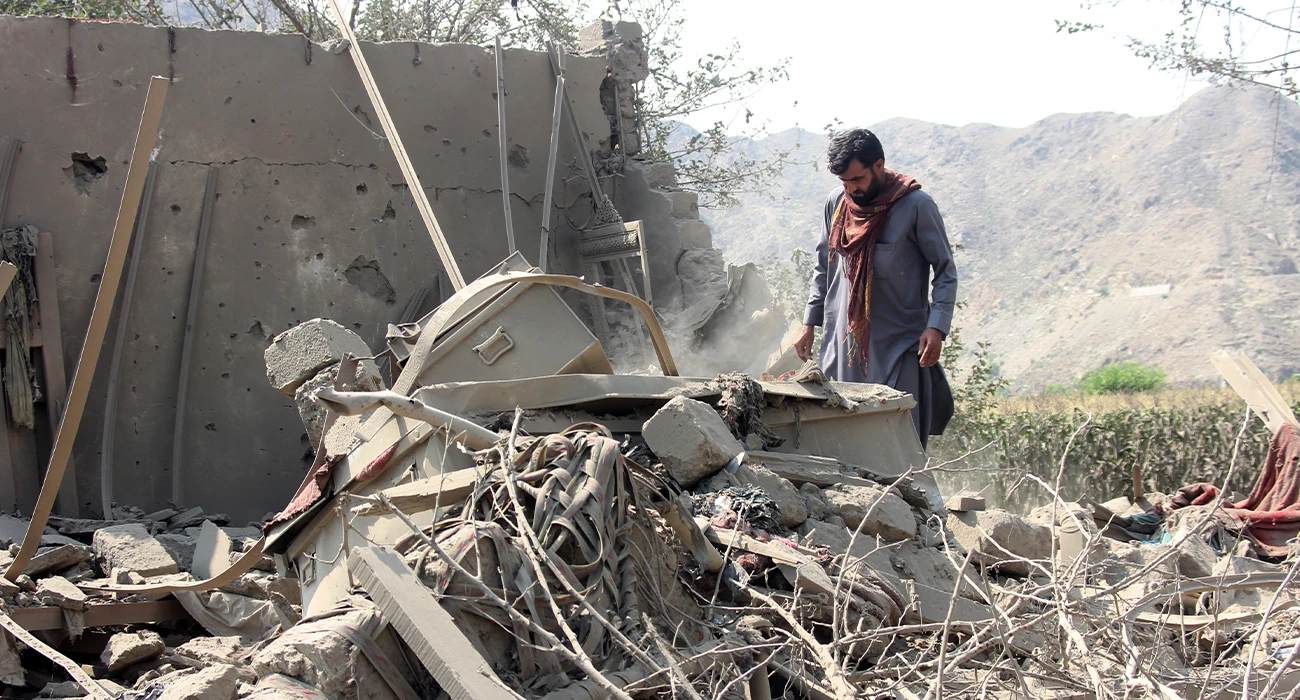
Pakistan helped broker the Islamabad Memorandum of Understanding between Washington and Tehran in June, providing a framework for negotiations toward a permanent settlement, but hostilities resumed soon afterward, disrupting energy supplies and shipping through the Gulf and driving up fuel costs for import-dependent countries such as Pakistan.
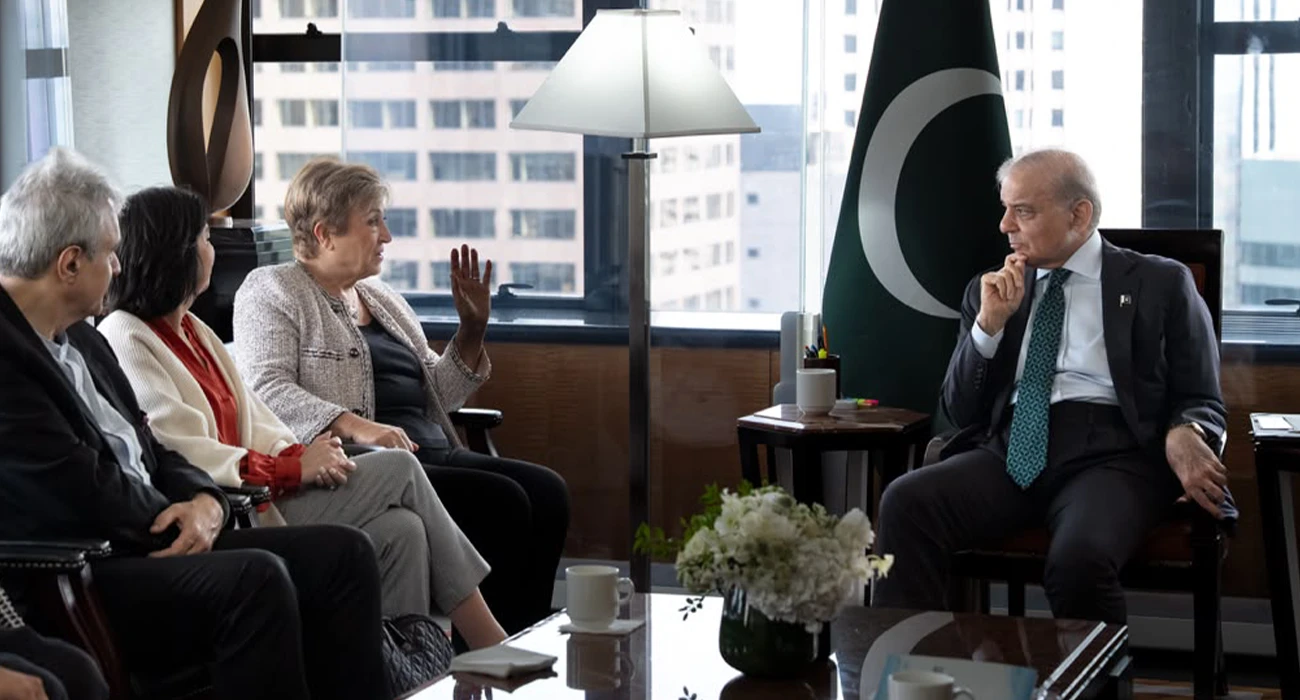
“Pakistan is playing the role of a sincere and honest mediator between Iran, our neighborly country, and United States,” Sharif told reporters at the United Nations in New York.
“Unfortunately, events after that got a bit unpredictable. But Pakistan is completely focused. We have not lost hope. We’re absolutely determined that we will further make effort and make progress to de-escalate the situation.”
Asked whether another meeting between Iran and the US was planned, Sharif described the diplomatic effort as a “continuous process.”
“And all friendly countries, brotherly countries, are contributing to achieve peace,” he said.
Sharif’s remarks came as Dar met Iranian Foreign Minister Abbas Araghchi on the sidelines of the 81st UN General Assembly, according to a statement issued by Pakistan’s foreign office on Thursday.
“The two counterparts discussed bilateral relations and exchanged views on regional and international developments,” the foreign office said.
Dar “underscored the importance of dialogue, diplomacy and sustained engagement in promoting regional peace and stability,” it added.
The two sides agreed to remain in close contact.
The meeting followed a telephone conversation between Dar and Araghchi on Saturday, when the Pakistani foreign minister urged Iran to help ensure uninterrupted energy supplies and the safe passage of ships amid continued disruption to key maritime routes.
Dar said during the call that the disruptions had implications for developing countries and global supply chains, and the two officials agreed to meet in New York.
Pakistan has maintained diplomatic contacts with Iran, the United States and regional capitals in an effort to revive negotiations after helping mediate the Islamabad MoU between Tehran and Washington in June.
The continuing conflict has increasingly affected Pakistan, which imports most of its energy requirements and has been exposed to soaring oil and gas costs and disruptions to supplies through the Gulf.
With input from AFP.