- Georgieva meets PM Sharif in New York, says reforms have strengthened economic stability
- Reviews of $7 billion program, climate facility could unlock around $1.2 billion in financing
ISLAMABAD: International Monetary Fund Managing Director Kristalina Georgieva gave an upbeat assessment of Pakistan’s economic reform program on Wednesday, saying continued implementation could help accelerate growth, as the lender began reviews that could unlock around $1.2 billion in financing.
The IMF this week began talks with Pakistani authorities on the fourth review of the country’s $7 billion economic program and the third review of a separate $1.4 billion climate resilience facility, assessing progress on reforms and other commitments agreed with the lender.
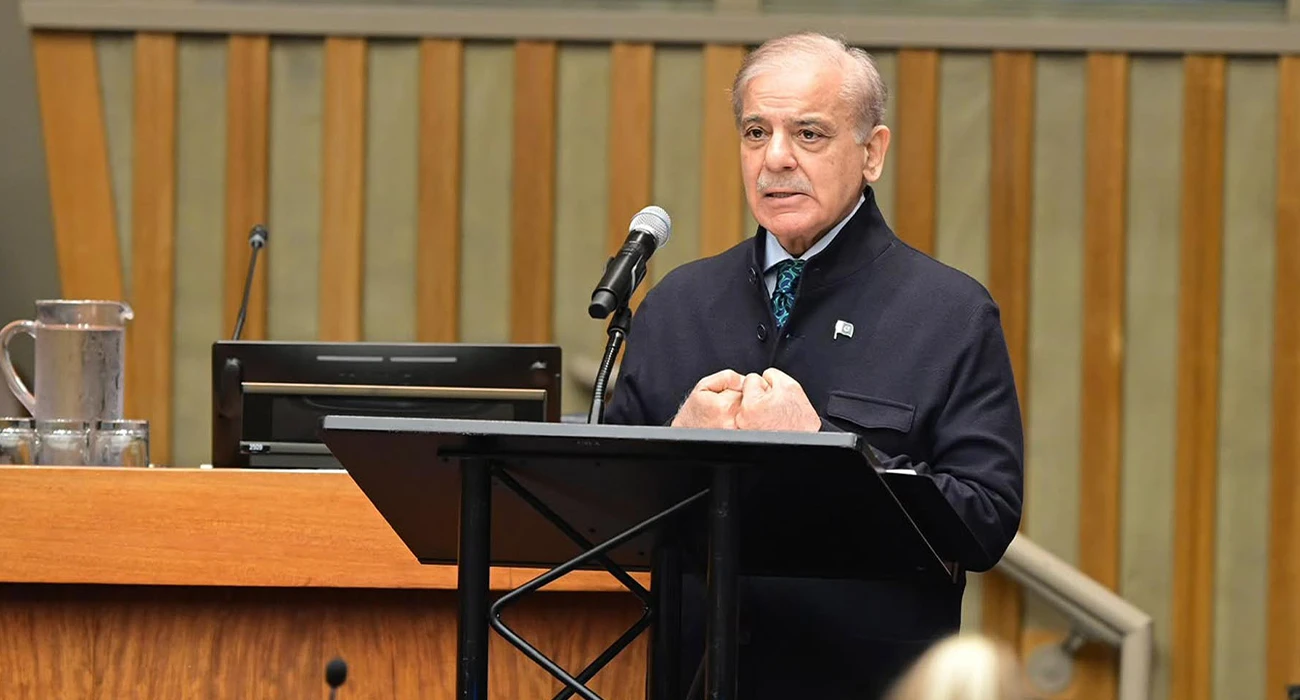
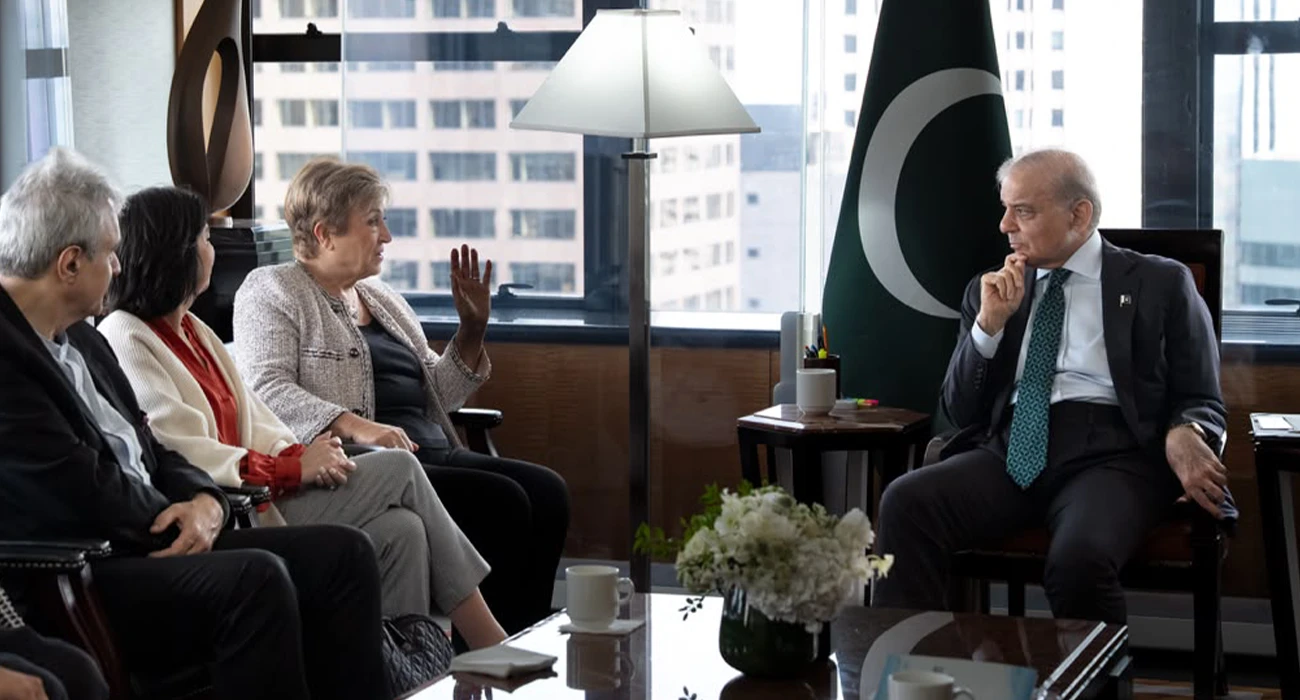
Georgieva made the remarks after meeting Prime Minister Shehbaz Sharif on the sidelines of the United Nations General Assembly in New York, where the two discussed Pakistan’s reform agenda and the forthcoming IMF program review.
“Strong implementation has helped preserve stability, restore confidence & regain market access,” the IMF chief said in a post on X.
“Continued reforms will help lift growth & improve people’s lives,” she added.
A successful review could make roughly $1 billion available under the IMF’s 37-month Extended Fund Facility and around $200 million under the Resilience and Sustainability Facility, though any disbursement would require a staff-level agreement followed by approval from the lender’s executive board.
The talks come as Pakistan faces renewed external pressures from higher fuel costs linked to the war that began with US and Israeli strikes on Iran in February. Disruption to oil shipments from the Gulf has increased pressure on the country’s import bill and domestic prices as Islamabad seeks to sustain an economic recovery after years of financial strain.
Sharif reaffirmed his government’s commitment to implementing the IMF-backed reform program during his meeting with Georgieva, according to a statement issued by his office.
The prime minister said Pakistan was transitioning from macroeconomic stabilization toward recovery despite regional conflict and external inflationary pressures, citing improvements in fiscal discipline, external buffers and investor confidence.
He pointed to a new national tariff regime, increased domestic revenue mobilization and progress on privatization as examples of the government’s reform efforts.
Sharif also stressed the government’s commitment to protecting vulnerable sections of society while pursuing economic reforms.
Pakistan entered the 37-month IMF program in September 2024 after years of pressure on its foreign exchange reserves and public finances. The arrangement supports reforms aimed at raising tax revenue, improving the finances of the power sector and restructuring state-owned enterprises.
The separate Resilience and Sustainability Facility, approved in May 2025, supports reforms related to disaster planning, water management and incorporating climate risks into public investment decisions.
The IMF mission, led by Iva Petrova, is conducting the two reviews alongside its Article IV consultation, the lender’s regular assessment of a member country’s economy.
The IMF last approved disbursements to Pakistan in May, releasing about $1.1 billion under the economic program and $220 million under the climate facility.
Georgieva and Sharif also discussed continued cooperation on economic reforms, resilience and sustainable growth, according to the prime minister’s office.