- Sharif says subsidies, tariff barriers failed to make some industries competitive
- Government says it wants private sector to drive sustainable growth through exports
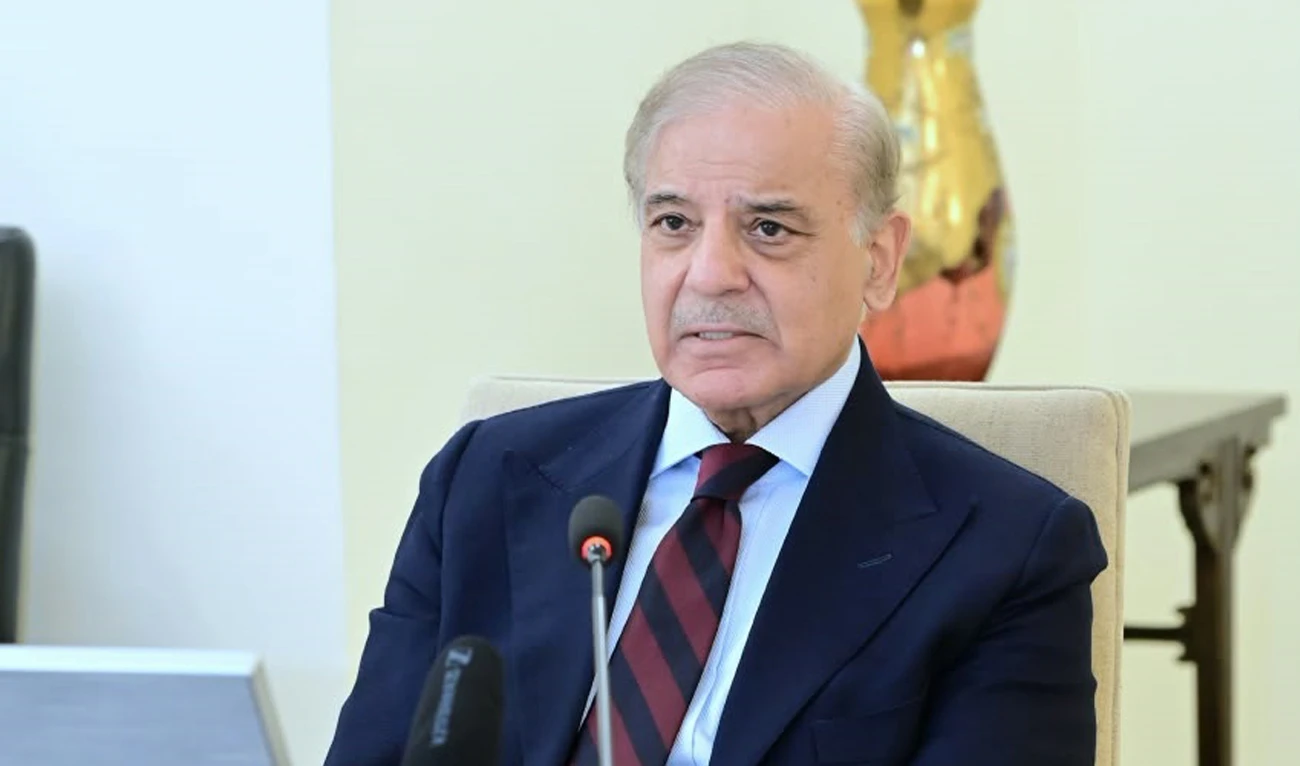
ISLAMABAD: Prime Minister Shehbaz Sharif on Thursday questioned decades of subsidies and tariff protection for Pakistani industries that he said had failed to become competitive, as his government seeks to shift the economy toward sustainable, export-led growth.
Pakistan is trying to break a recurring cycle in which periods of higher consumption and imports have strained foreign exchange reserves and triggered balance-of-payments crises, with the government now betting on exports and private-sector investment to drive growth after a period of economic stabilization.
“Those industries to which we gave subsidies from our limited resources ... and for which we built an import tariff wall so that they would develop, create employment ... and increase their production — what is their condition today?” Sharif said.
The prime minister was speaking virtually at a gong ceremony marking the listing of the Naya Nazimabad Apartment REIT at the Pakistan Stock Exchange in Karachi.
Sharif said successive governments had protected industries over decades in the hope they would become efficient, increase production and substitute imports, but questioned whether that support had delivered the intended results.
“The 1960s passed, the 1970s passed, the 1980s passed, the 1990s passed, and today we are sitting in 2026,” he said. “Their condition remains where it was. The prices of their products are also high, and their quality has also gone down.”
Sharif said Pakistan needed to acknowledge those shortcomings and correct them or risk setting back its development efforts.
His remarks come as the government seeks to move from economic stabilization to growth led by exports, production and private investment, while asking businesses to play a greater role in generating jobs and foreign exchange.
“We now have to bring growth to our economy, particularly export-led growth,” Sharif said.
He said the government had provided hundreds of billions of rupees in tax breaks and incentives to exporters, manufacturers and industries in the 2026-27 budget, arguing that state support now needed to translate into greater productivity and competitiveness.
Sharif said Pakistan had achieved macroeconomic stability after a period of severe economic stress but now needed growth driven by technology, employment, production and exports.