- Countries agree on intelligence sharing, focal persons and closer interior ministry coordination
- Lebanese minister’s two-day visit included talks with Pakistan’s civilian and military leadership
ISLAMABAD: Pakistan and Lebanon have agreed to broaden security cooperation and strengthen institutional ties, including through intelligence sharing and closer coordination between their interior ministries, according to an official statement on Tuesday.
The agreements cover cooperation against terrorism, narcotics trafficking, illegal immigration, money laundering and cybercrime, as well as police training. The two sides also decided to appoint focal persons for bilateral coordination and work toward a new agreement between their interior ministries.
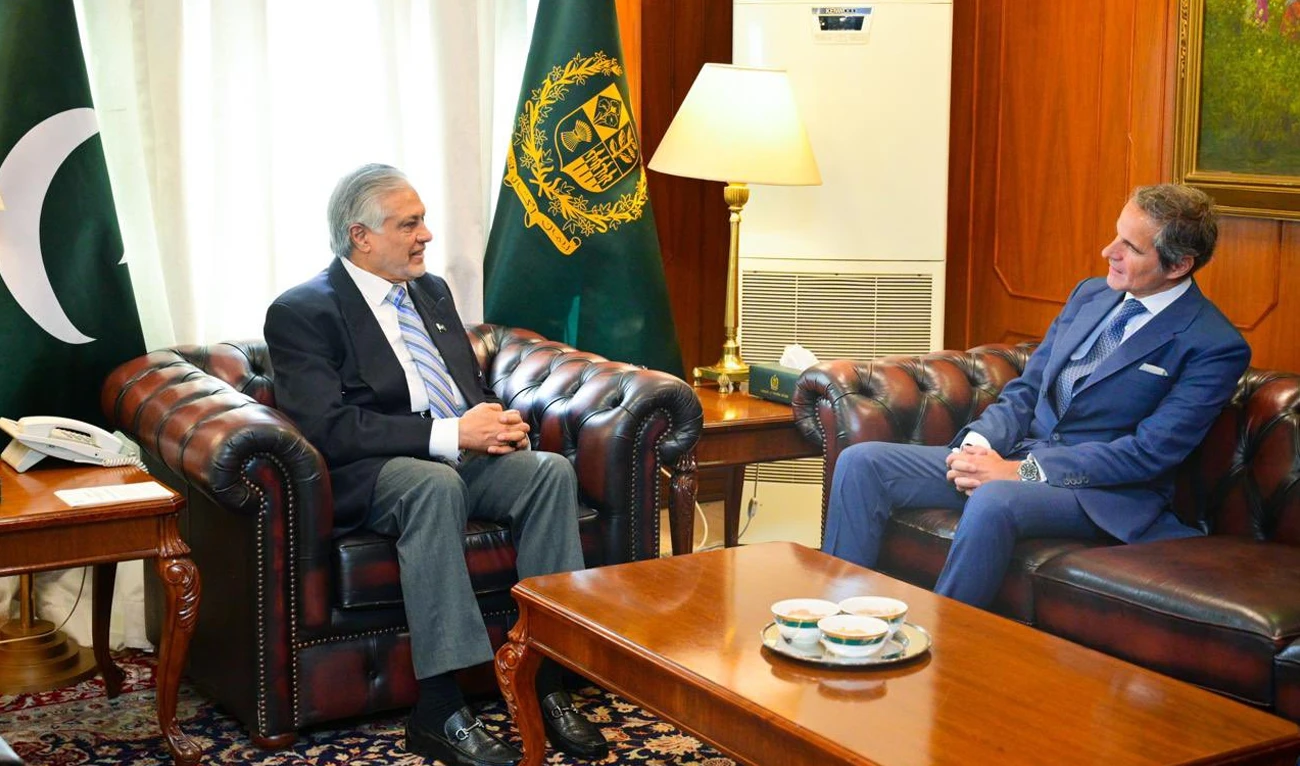
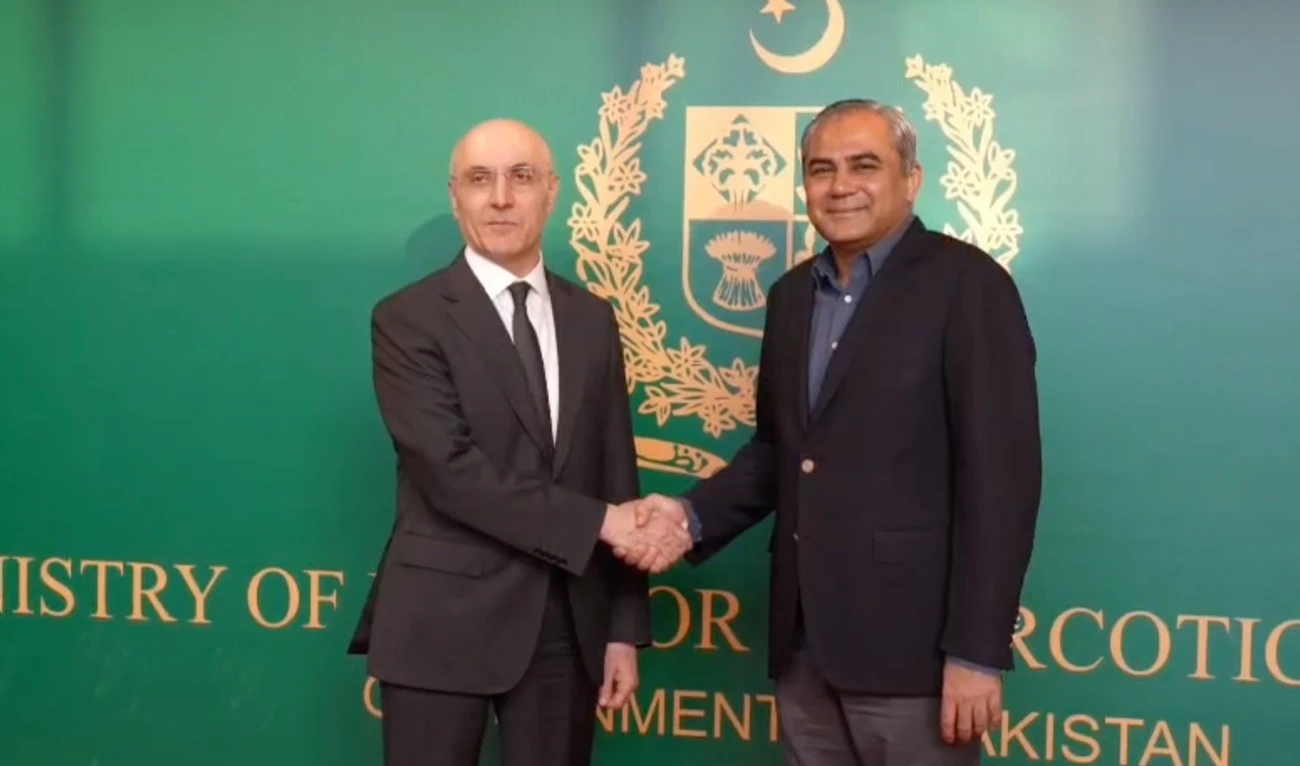
The understandings were reached during talks between Pakistani Interior Minister Mohsin Naqvi and his Lebanese counterpart Ahmad Al-Hajjar in Islamabad. Al-Hajjar also met President Asif Ali Zardari, Prime Minister Shehbaz Sharif and army chief Field Marshal Asim Munir during his two-day visit.
“Pakistan is a brotherly country and we want to advance cooperation in areas of mutual interest, particularly internal security,” Pakistan’s interior ministry quoted the Lebanese minister as saying in a statement.
Naqvi and Al-Hajjar discussed collaboration between police academies and training programs and agreed to fully implement an existing agreement on counter-narcotics cooperation.
“The two countries can benefit from each other’s experiences,” Al-Hajjar said.
The Lebanese’s minister’s visit comes as Islamabad and Beirut step up engagement on security and law enforcement.
During his meetings with Zardari and Munir on Monday, the two sides discussed stronger cooperation between their security institutions, while Zardari also called for greater collaboration on extradition, mutual legal assistance, counter-narcotics and emergency response.
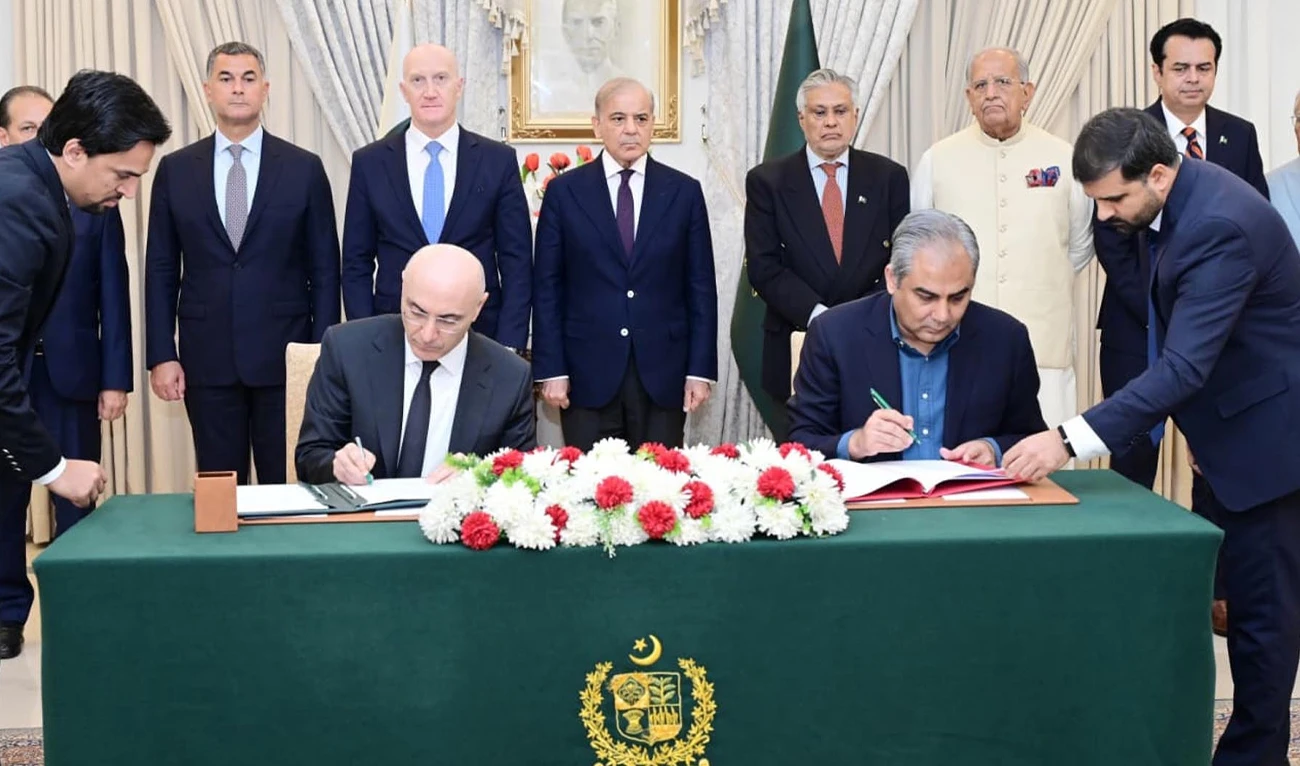
Pakistan and Lebanon also signed a separate agreement on Monday providing a legal framework for convicted nationals to serve the remainder of their prison sentences in their home countries. The agreement was signed by Al-Hajjar and Naqvi and witnessed by Sharif.
Sharif and Al-Hajjar reviewed bilateral relations and expressed satisfaction over growing cooperation in interior and security affairs during their meeting.
The Pakistani prime minister also “condemned, in the strongest terms, Israel’s aggression against Lebanon” and reiterated Islamabad’s support for Lebanon’s sovereignty and territorial integrity.
Pakistan and Lebanon have long maintained cordial relations, though security and diplomatic exchanges have become more frequent this year. Lebanese Armed Forces commander General Rodolphe Haykal visited Pakistan in June and met Munir for talks on regional security, defense cooperation and stronger military ties, including training and institutional links.
The closer engagement comes amid continuing conflict in Lebanon, where Israel occupies territory along the border following renewed fighting with Iran-aligned Hezbollah. More than 4,300 people have been killed in Israeli strikes in Lebanon since March, according to Lebanon’s health ministry.
Pakistan has also sought a mediating role in regional conflicts. A Pakistan- and Qatar-mediated process between the United States and Iran in June established a de-confliction mechanism involving Lebanon aimed at supporting an end to military operations there, though fighting has continued.