- UAE fuel oil imports reach 2.6 million tons in the third quarter, more than triple the 845,000 tons recorded in the previous quarter
- Saudi and Russian deliveries help Fujairah restore supplies and ship-refueling operations, but sales remain well below pre-war levels
SINGAPORE/LONDON: Fuel oil supplies at Fujairah in the United Arab Emirates have risen in recent months allowing it to resume ship refueling operations and boost exports to Asia, according to industry sources and shipping data.
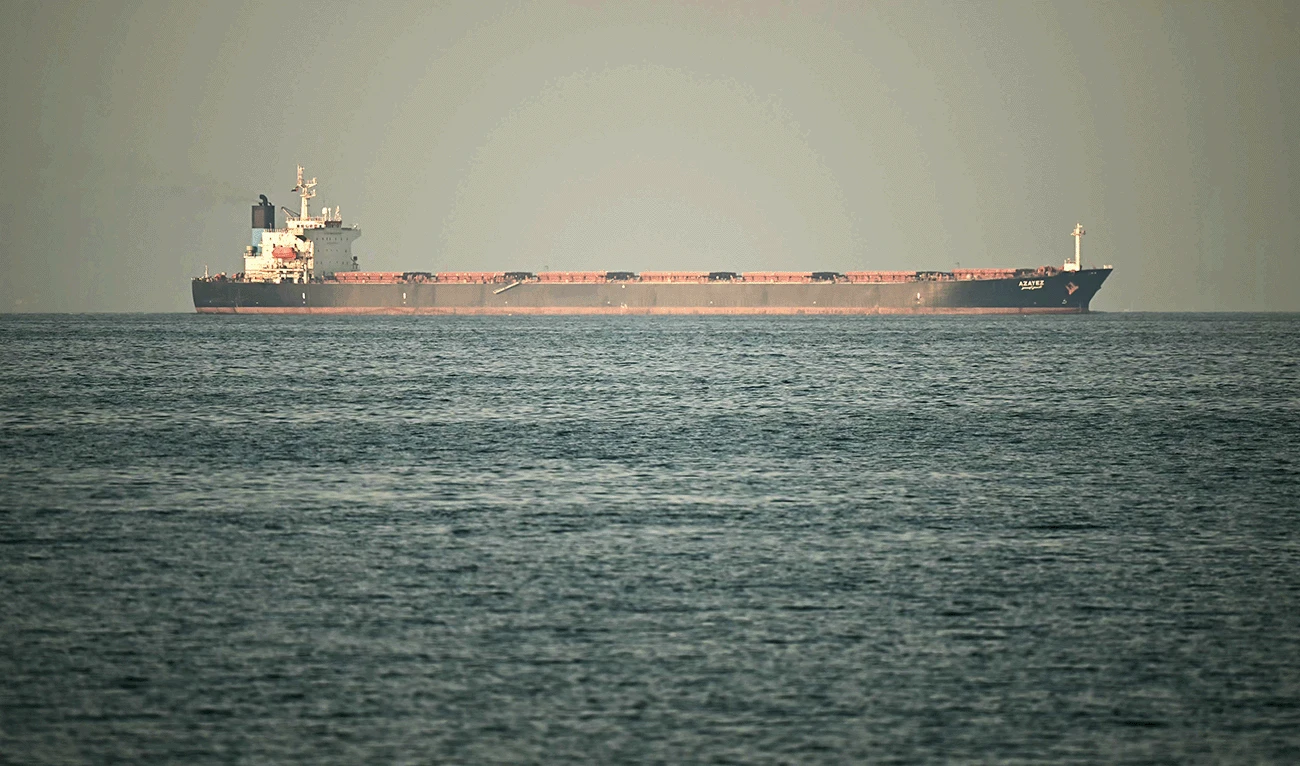
Among the world’s top bunkering hubs, Fujairah’s sales fell sharply in the second quarter after the Iran war began in late February and disrupted replenishment from suppliers within the Gulf to the port, which sits outside of the Strait of Hormuz.
The UAE imported 2.6 million metric tons of fuel oil in the third quarter (about 180,000 barrels per day), up from 845,000 tons in the second quarter, data from analytics firm Kpler showed.
September imports hit 856,000 tons, up from 715,000 tons in August but well below the 1.7 million tons seen in February, the data showed. LSEG data showed the same trend.
IMPORTS FROM SAUDI ARABIA, RUSSIA
Saudi Arabia was the top fuel oil supplier to Fujairah in July and August, the data showed, replacing Kuwait which was the biggest before the war. Saudi Aramco’s trading arm ATC offered more fuel oil via tender for October loading, trade sources said.
Some cargoes of unknown origin were also brought into Fujairah via ship-to-ship transfers in the Gulf of Oman, Kpler data showed.
“Middle East refinery runs have improved and producers are using ways to get products out, particularly fuel oil, including dark activity, shuttle runs and ship-to-ship transfers,” said Emril Jamil, a senior research manager at Kpler.
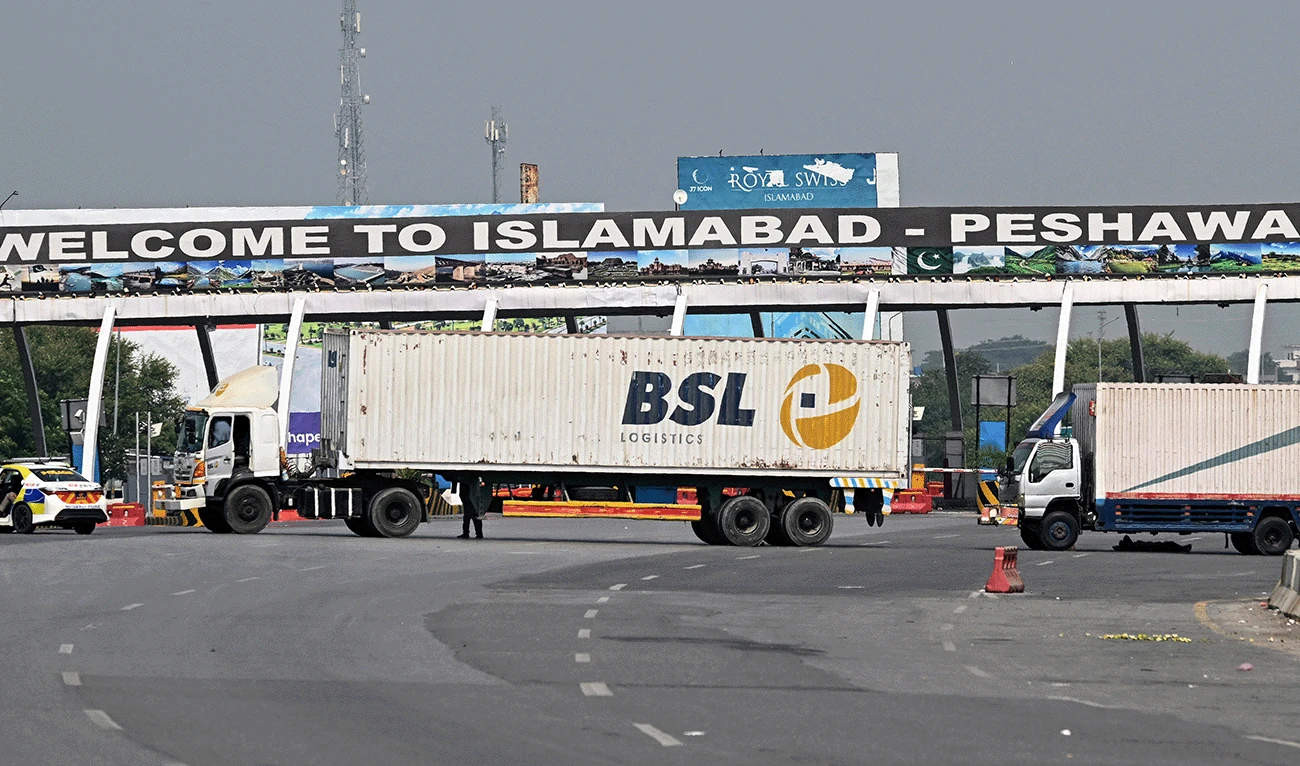
Russia was also a key source for Fujairah in September, while a cargo of low-sulfur straight-run fuel from Nigeria’s Dangote refinery and another high-sulfur fuel oil (HSFO) shipment from Pakistan are arriving in October, according to Kpler and LSEG data.
With more supplies, the UAE has re-emerged as the top Middle Eastern fuel oil exporter, overtaking Syria, which temporarily became the region’s biggest exporter by volume in the second quarter after Iraq rerouted its fuel oil exports to Syria’s Baniyas port.
UAE’s fuel oil exports totalled over 1.4 million tons in September, hitting more than one year high, Kpler data showed, mostly bound for southeast Asia.
BUNKER ACTIVITY GATHERS PACE
Fujairah’s marine fuel sales have also picked up in recent weeks, though trade sources said they remained below pre-war levels.
After hitting record lows in the second quarter, data published by S&P Global Energy showed that the port’s bunker fuel sales rebounded in July but dipped slightly in August.
Fujairah’s onshore residual fuel inventories averaged 4.5 million barrels a week in September, up from 3.9 million barrels a week in August but below pre-war levels of about 9 million barrels a week, the data showed.
Prompt supply remained tight especially for VLSFO which had mostly been supplied by Fujairah’s Vitol refining facility as well as Kuwait and Europe before the war.
“VLSFO premiums are edging higher on limited cargo availability, though additional cargoes expected in October should help ease the market,” Dan-Bunkering, a bunker supplier and trader with operations in Fujairah, said in a note this week.
“HSFO remains well supplied with premiums under pressure,” it said, adding that overall bunker operations continue as normal despite regional tensions.