- The country’s imports of goods rose by 14.3 percent to $17.8 billion from July till September
- Islamabad seeks provincial export boards, preparation of district-level export development plans
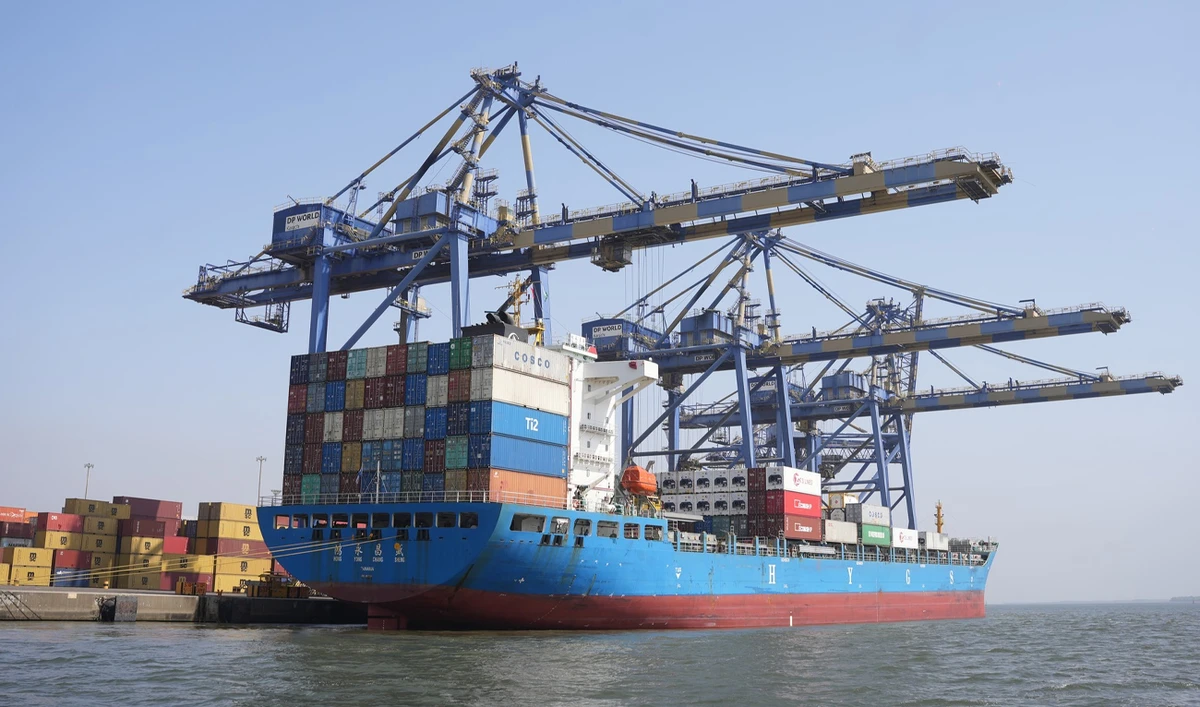
ISLAMABAD: Pakistan’s merchandise exports rose by 7.7 percent to $8.5 billion during July-September, compared with $7.9 billion in the corresponding period last year, with Planning Minister Ahsan Iqbal stressing provincial development and reforms for sustainable growth.
Pakistan’s economy grew by 3.7 percent in fiscal year 2025-26 that ended in June, according to government figures. The government expects around 4 percent growth this fiscal year as it attempts to avoid past cycles in which consumption-driven expansion increased imports, placed pressure on foreign exchange reserves and eventually forced Pakistan to seek further external financial assistance.
Sharing the country’s economic and development performance for the first quarter of FY2026-27, Planning Minister Ahsan Iqbal said Pakistan’s combined exports of goods and services rose by 11 percent to $11.2 billion, supported by 22.8 percent growth in services exports, while workers’ remittances increased by 14 percent to $10.9 billion, compared with $9.5 billion a year earlier.
“Iqbal said Pakistan must develop an export-oriented culture across the country by identifying competitive products in every province and district. He said he had written to provincial chief ministers to encourage the establishment of provincial export boards and the preparation of district-level export development plans,” the Pakistani information ministry said.
“These initiatives would identify opportunities in agriculture, handicrafts, engineering, technology and other sectors, strengthen domestic value chains and connect local producers with international markets.”
The country’s imports of goods rose by 14.3 percent to $17.8 billion, while combined imports of goods and services increased by 14.6 percent to $21.3 billion in the first quarter of the year, according to Iqbal. The current account deficit widened to $874 million, compared with $755 million in the corresponding period last year, while tax collection increased by 7 percent to Rs3.086 trillion ($11.16 billion).
Monthly inflation eased to 10.3 percent in September from 11.1 percent in August, although it remained above the level recorded a year earlier.
Addressing inflation and the rising cost of living, Iqbal said global uncertainty and increases in international energy prices required a prudent approach to economic management, adding that the government was strengthening market surveillance to curb excessive wholesale-retail margins and prevent profiteering.
“He emphasized that relief for vulnerable households must be expanded without compromising macroeconomic stability or repeating past policy decisions that could expose the country to renewed financial pressures,” the ministry added.