- Javed was found tortured and murdered in the bathroom of her apartment in Rawalpindi’s Lal Kurti area on Aug. 20
- The deceased’s family rejected police findings, and demanded inclusion of her husband’s name in the charge-sheet
ISLAMABAD: A Pakistani parliamentary panel on Thursday recommended a fresh investigation into the murder of a digital media executive, Hina Javed, which drew widespread anger and prompted calls for women safety.
Javed, 45, was found tortured and murdered in the bathroom of her apartment in Rawalpindi’s Lal Kurti area on August 20. Her family accused her husband, Faisal Asghar Imam, father-in-law, Asghar Ali Fayyaz, and domestic worker, Zeeshan Arshad, of involvement in the killing. An earlier investigation ordered by Punjab Chief Minister Maryam Nawaz Sharif concluded that Arshad acted alone, citing forensic evidence linking him to the crime.
The investigation identified Arshad’s DNA on 15 items, including samples from Javed’s body and objects recovered from the apartment. Imam’s DNA was also detected on parts of a bedroom door lock, but investigators said this could reflect earlier contact and did not establish his involvement in the murder.
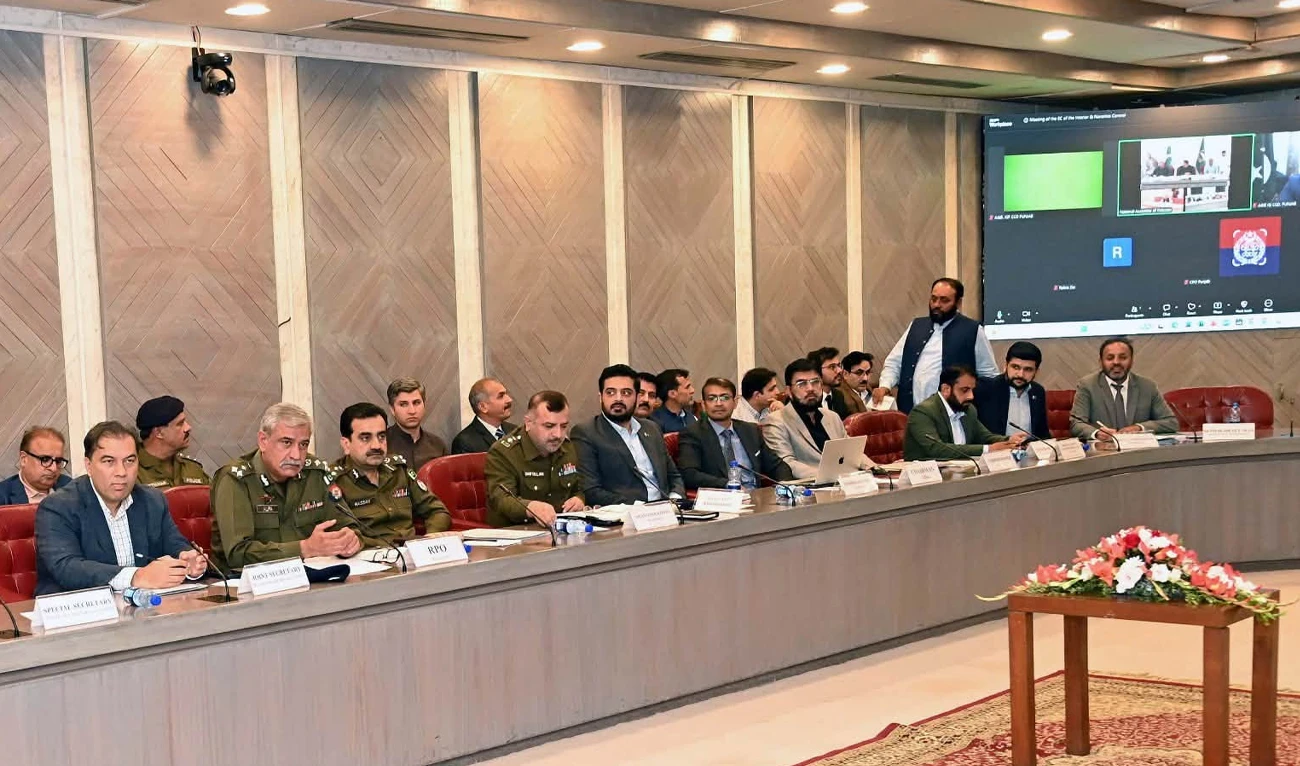
On Thursday, senior police officials briefed the National Assembly committee on interior and narcotics control that a special investigation team had been constituted, forensic and digital evidence examined, and an independent monitoring committee formed to review the investigation.
“They [police officials] also presented their findings regarding the alleged involvement of the domestic employee and other forensic and circumstantial evidence, while clarifying that the final determination of guilt or innocence rested with the competent court,” read a statement issued by the National Assembly.
“The deceased’s sister, however, expressed serious reservations regarding the investigation, questioned the handling and disclosure of forensic evidence, and requested an independent inquiry and the constitution of a judicial commission,” it said.
“[Committee] members emphasized the need for an impartial and transparent investigation. The Committee recommended that a fresh and impartial inquiry be conducted, the concerns raised by the deceased’s family be duly examined, and the findings be dealt with in accordance with the law, without prejudice to the jurisdiction of the competent court.”
The high-level investigation team was headed by Additional Inspector General Sohail Zafar Chattha, director general of the Punjab Crime Control Department, and was formed after Javed’s family objected to the initial police inquiry.
Chattha this month told Arab News that forensic evidence established Arshad had killed Javed and sexually assaulted her body after her death. He said investigators had found no incriminating evidence against Imam, who was suffering from brain cancer, and that his physical condition made it difficult for him to have committed the crime.
Javed’s family rejected the findings, and demanded the inclusion of the deceased’s husband in the charge-sheet.
“We reject these findings. We demand the immediate formation of a judicial commission and justice for my sister,” Fahad Javed, the victim’s brother, told a news conference in Islamabad this month.
“The complete fingerprint, mobile phone, laptop and forensic reports must be shared with us,” he continued. “Faisal’s DNA was found at four locations. His name must be included in the charge sheet.”
“How can someone whose DNA was found at the crime scene be declared innocent?” he asked.
Fahad also demanded that Imam’s father be included in the investigation, questioning why police had not adequately examined his account of events surrounding the killing. He accused police of treating Imam more favorably than other suspects and concentrating their investigation on Arshad from the outset.
“From the very first day, the investigation team, the police and the special committee have treated Faisal Asghar as a guest rather than a suspect,” he said.
“From day one, it seemed their aim was to put the entire blame on Zeeshan and let Faisal walk free.”