- Two CTD personnel injured in intelligence-based operation in Barkhan district
- Balochistan violence-linked deaths more than tripled in third quarter of 2026
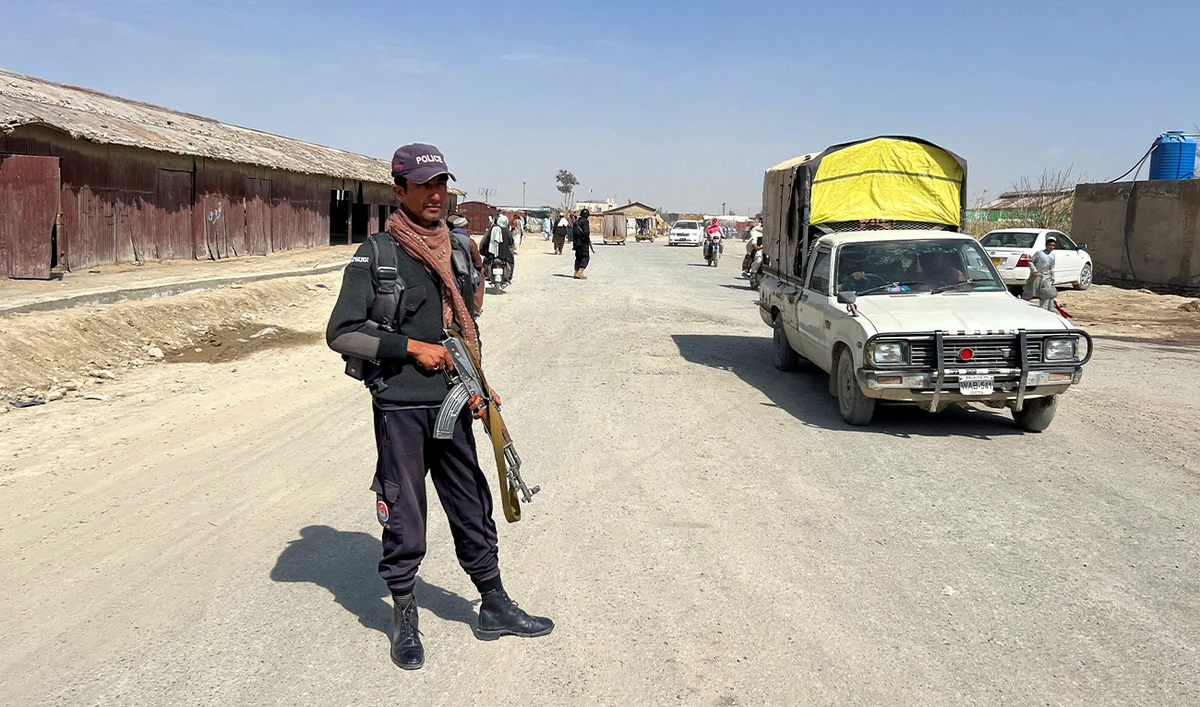
ISLAMABAD: Pakistan’s counterterrorism police killed 10 suspected militants in an intelligence-based operation in southwestern Balochistan province on Saturday, authorities said, amid a sharp escalation in violence linked to a decades-long separatist insurgency.
Balochistan recorded 829 deaths linked to militant attacks and security operations in the third quarter of 2026, up from 265 in the previous quarter, according to the Center for Research and Security Studies (CRSS). Separatist groups, including the Baloch Liberation Army (BLA), have carried out deadly attacks targeting security forces, civilians and infrastructure.
The Counter Terrorism Department (CTD) said the operation was carried out in Barkhan district, about 245 kilometers east of Quetta, following intelligence about the presence of suspected militants.
“On receiving confirmed information, CTD conducted a successful intelligence-based operation against Fitna-al-Hindustan in the Rarah Sham area of Barkhan,” the department said in a statement.
It said two CTD personnel were injured and a large quantity of arms and ammunition was recovered.
Pakistan uses the term Fitna-al-Hindustan to refer to militant groups operating in Balochistan, including separatist organizations such as the BLA, which it accuses of receiving Indian backing. New Delhi denies supporting the insurgency.
Balochistan Home Department adviser Babar Yousafzai praised the operation, saying security agencies would continue their campaign against militant groups threatening peace and development in the province.
“The CTD achieved an important success against the terrorists’ network by carrying out a timely and effective operation,” he said in a statement.
In January, the BLA claimed responsibility for coordinated attacks across Balochistan, including in the provincial capital Quetta and the port city of Gwadar, that killed at least 18 civilians and 15 security personnel, according to Pakistani authorities.
Security forces subsequently reported killing dozens of militants in operations against the attackers.
Balochistan, Pakistan’s largest but least populous province, borders Iran and Afghanistan and is rich in natural resources. It is also central to the multibillion-dollar China-Pakistan Economic Corridor (CPEC), which links western China to the Arabian Sea through roads, energy projects and the strategic Gwadar port.
Baloch separatist groups, which demand independence and control over the province’s resources, have long accused the federal government of exploiting its gas and mineral wealth while leaving local communities impoverished.
The government rejects accusations of deliberate neglect, pointing to federal development spending and infrastructure investment, including under CPEC. It says separatist attacks on workers and infrastructure have undermined development in the province.