- Pakistan Business Forum urges Islamabad to slash petroleum levy by $0.22 per liter
- Forum says high fuel prices are making it difficult for Pakistani businesses to operate
KARACHI: A major Pakistani business body on Saturday urged the government to slash petroleum levy by over 50 percent, stressing that taxes on petroleum products were making fuel costlier for the common man and driving up cost of production and food prices.
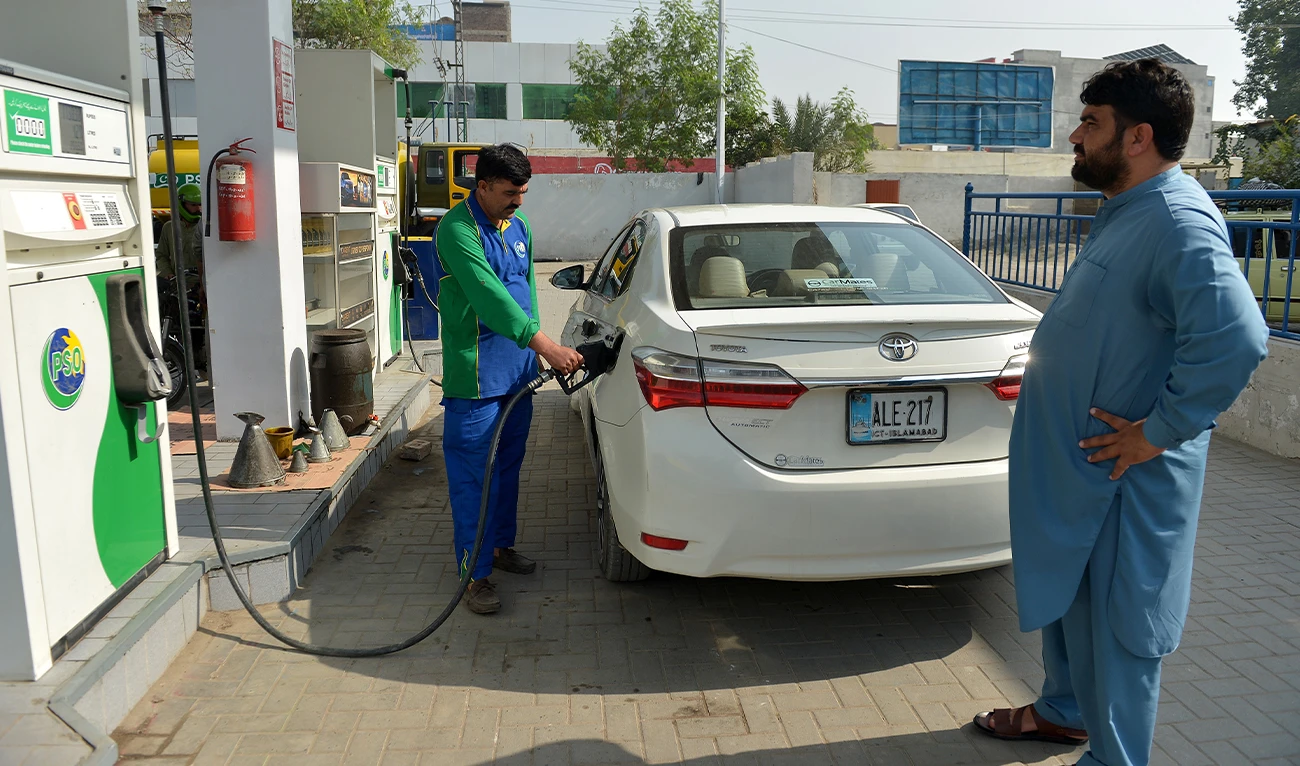
Pakistan’s government levies Rs114 [$0.41] per liter in taxes and duties on petrol and Rs100 [$0.36] per liter on diesel. The US-Iran conflict, which began in February, has constantly driven global oil prices higher. This has forced Pakistan to increase prices of petroleum products, driving up inflation across the country.
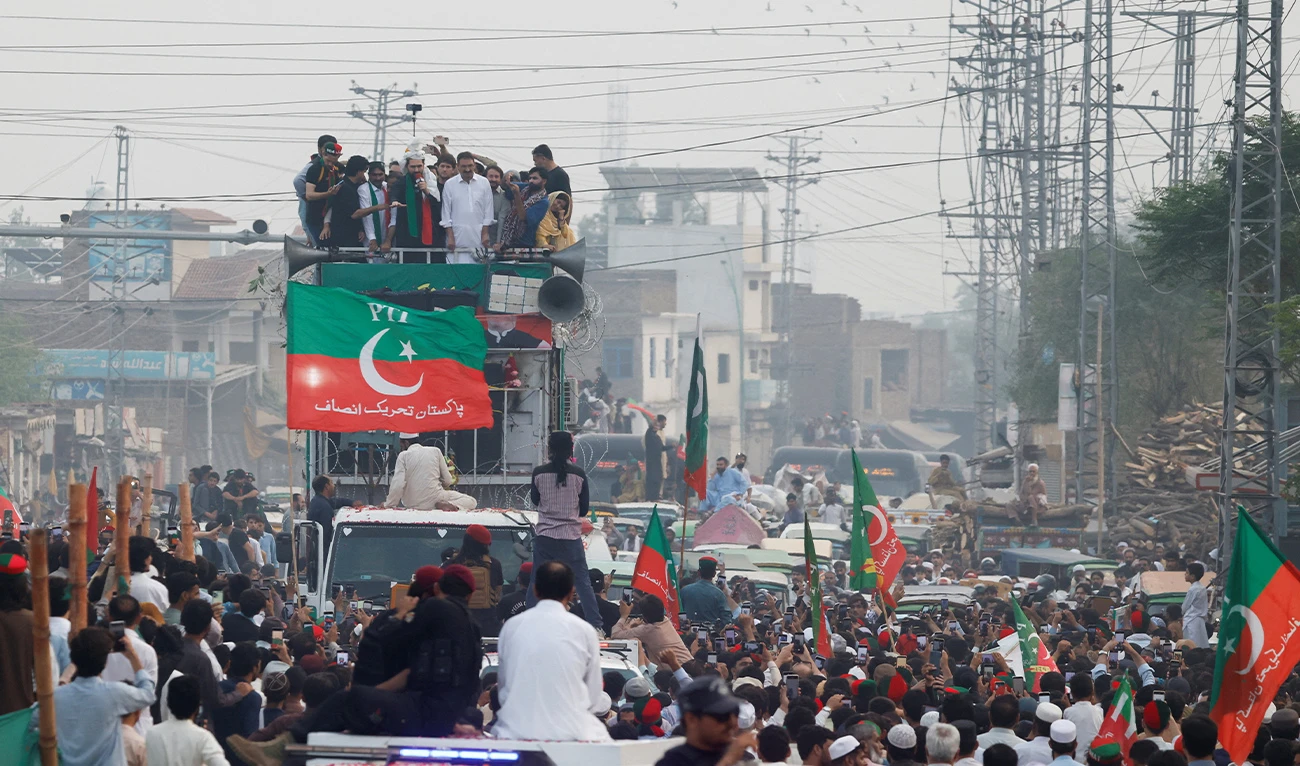
In recent weeks, the exorbitant levy has sparked protests. The right-wing Jamaat-e-Islami party has called on the government to abolish the levy, threatening otherwise to launch a protest march to the capital.
Ahmad Jawad, chief organizer of the Pakistan Business Forum (PBF), urged the federal government to share the burden of rising fuel prices by reducing the cost of petroleum levy by Rs60 [$0.22] per liter.
“The government should also share some burden. To shift everything on the masses, at this point, is unjust,” Jawad said in a video message.
Jawad said the government collected over Rs1,500 billion [$5.42 billion] in petroleum levy in the last fiscal year, saying it was 29 percent more than the amount collected in FY24-25.
He said persistently high fuel prices were significantly increasing production costs, placing Pakistan’s industries and business community under mounting financial pressure and making it increasingly difficult for businesses to sustain production and remain competitive.
Last month, the government announced a special fuel relief scheme. Under the scheme, eligible owners of motorcycles, rickshaws and small cars, are receiving petrol at subsidized rates.
To benefit from the scheme, citizens have to register on a digital platform. Once applicants’ details are verified, they receive a digital token with personal and vehicle details.
Pakistan’s government said on Friday that over 10 million people have registered for the scheme and are availing fuel at subsidized rates through it.