- The rate was raised to 22% in an off-cycle meeting in June as a last-gasp attempt to secure a $3 billion IMF bailout
- The bank’s monetary policy committee says that an increase in gas prices last month could affect the inflation outlook
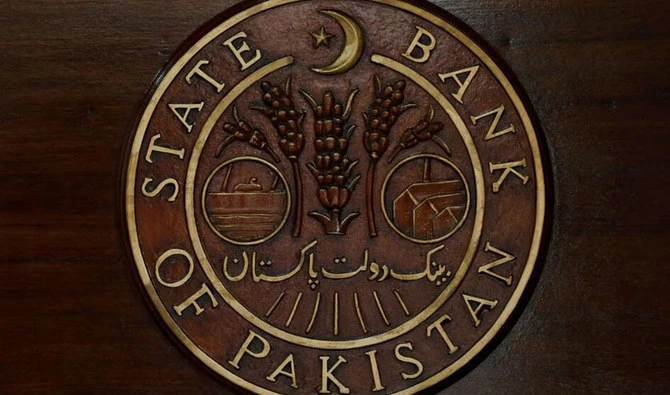
KARACHI: Pakistan’s central bank kept its key rate unchanged at a record 22 percent on Tuesday as it waits for previous hikes to filter through the economy and further tame retail inflation.
All but one analyst polled by Reuters had expected the State Bank of Pakistan to hold the rate steady for a fourth straight monetary policy meeting.
The bank’s monetary policy committee said that an increase in gas prices last month could affect the inflation outlook.
“The decision does take into account the impact of the recent hike in gas prices ... the Committee viewed that this may have implications for the inflation outlook, albeit in the presence of some offsetting developments,” the State Bank of Pakistan (SBP) said in the statement.
The rate was raised to 22 percent in an off-cycle meeting in June as a last-gasp attempt to secure a $3 billion bailout from the International Monetary Fund as part of a reforms program aimed at bringing stability to the troubled $350 billion economy.
Pakistan’s economy has been beset by high price pressures, with monthly consumer price index-based inflation remaining above 20 percent since June 2022, and hitting a record high of 38 percent in May 2023.
The bank and the IMF both say they expect inflation to ease in the current financial year ending in June 2024, but inflation remained at 29.2 percent in November after energy prices were hiked to meet reform targets.
“Barring further sizable increase in administered prices, the MPC continues to expect that headline inflation will decline significantly in the second half of FY24,” the bank said.
High borrowing costs have slowed economic growth, which stands at about 2 percent, but investors say they have already priced in a peak in interest rates and the expected successful completion of the IMF program has buoyed stock markets and the currency.
Pakistan’s benchmark index KSE100 crossed a psychological barrier of 66,000 points to trade at an all-time high, gaining 4,532 points or 7.3 percent in the week ending Dec. 8, the highest ever weekly return in terms of points.
The country is scheduled to hold elections in February and most electoral front-runners have said they will look to reignite economic growth.