- Two-day visit comes as Pakistan steps up diplomatic efforts to ease Middle East tensions
- Pakistan joined Saudi Arabia, Egypt and Türkiye in condemning Houthi attacks on Kingdom
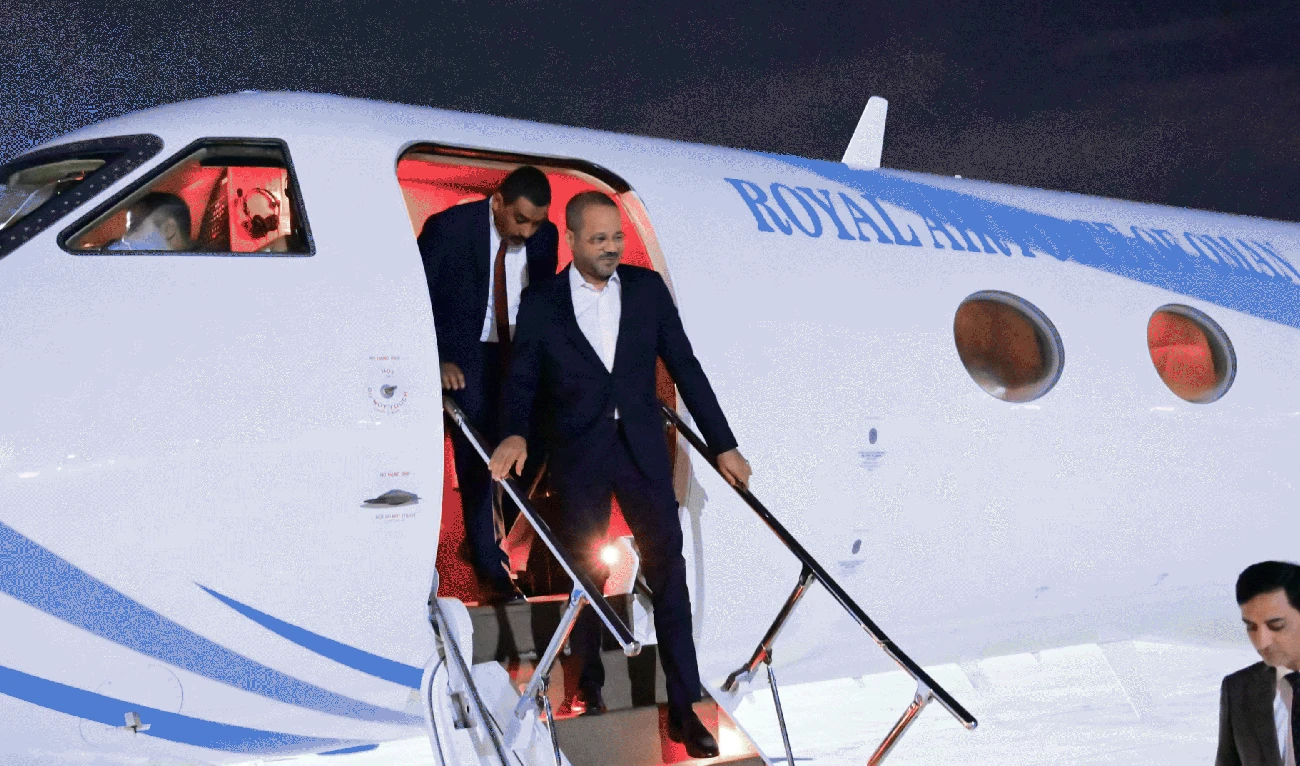
ISLAMABAD: Oman’s Foreign Minister Sayyid Badr bin Hamad bin Hamood Albusaidi has arrived in Pakistan for a two-day visit, the Pakistani foreign ministry said Tuesday, amid mounting regional concerns over the Strait of Hormuz blockade and intensified Houthi attacks on Saudi Arabia.
The visit comes as Pakistan seeks to help ease the Middle East conflict through diplomatic efforts while facing growing economic and security concerns over disruptions to Gulf energy supplies and attacks on Saudi Arabia, a key regional ally.
Oman, which shares control of the strategically important Strait of Hormuz with Iran through their respective territorial waters, has traditionally played a mediating role in regional disputes, including between Tehran and Washington.
Albusaidi, who is visiting Pakistan at the invitation of Deputy Prime Minister and Foreign Minister Ishaq Dar, was received by Pakistani foreign ministry officials upon arrival in Islamabad.
“The Foreign Minister would lead the Omani delegation for the 8th Pak-Oman JMC (Joint Ministerial Commission) and hold bilateral meeting with Deputy Prime Minister/Foreign Minister Senator Mohammad Ishaq Dar,” the Pakistani foreign ministry said in a statement.
Pakistan and Oman maintain longstanding diplomatic, economic and people-to-people ties, including cooperation in trade and employment, with Oman hosting a sizable Pakistani expatriate community.
The ministry did not mention the Middle East hostilities, and there was no indication that these issues were formally on the agenda. However, the escalating regional crisis is of concern to both countries, given their economic and security interests in the Gulf.
The Strait of Hormuz, which connects the Arabian Gulf with the Gulf of Oman and the Arabian Sea, is one of the world’s most important energy shipping routes. Disruptions to traffic through the waterway have affected global oil supplies and pushed up energy costs, particularly for import-dependent economies such as Pakistan.
The visit also follows a series of attacks by Yemen’s Iran-aligned Houthi militia against Saudi airports and other civilian facilities, raising concerns over the widening regional impact of the US-Iran conflict.
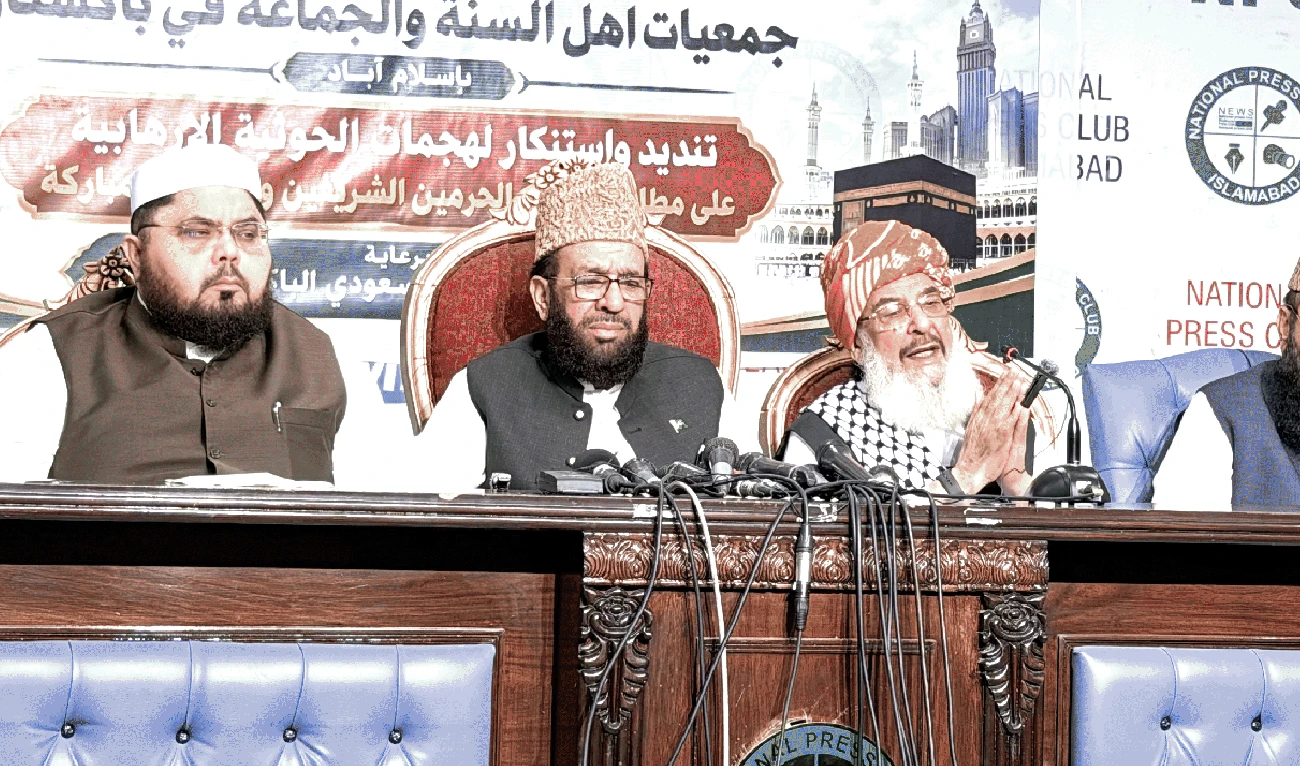
A Pakistani national was killed and 11 other people were injured in an attack on King Khalid International Airport in Riyadh on Sunday, according to Saudi Arabia’s General Authority of Civil Aviation.
Pakistan, Saudi Arabia, Egypt and Türkiye condemned the attacks in a joint statement on Sunday, demanding their immediate cessation and reaffirming support for Riyadh’s efforts to protect its security and territorial integrity.
Pakistan has also sought to promote diplomatic engagement to contain the wider conflict, while reaffirming its security commitments to Saudi Arabia under bilateral and trilateral defense arrangements.
Pakistan’s foreign ministry said Albusaidi is also expected to meet Prime Minister Shehbaz Sharif during his stay in Islamabad.