- The administration sealed I-10 sector after 36 coronavirus cases were reported in the locality on Thursday
- Residents say government failed to ensure social distancing in the nearby vegetable market where thousands of people gather daily
ISLAMABAD: Pakistan’s federal capital has emerged as one of the hotspots of coronavirus in the country with 343 reported COVID-19 cases, with the tally likely to cross 1,000 by the end of May.
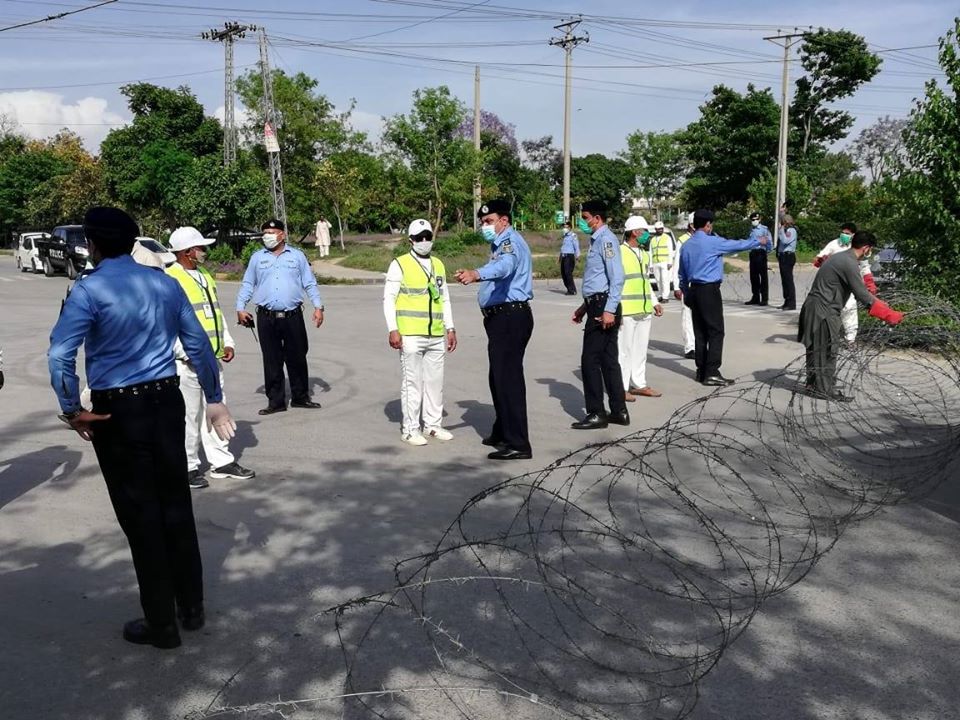
The administration sealed I-10 sector in the capital after 36 coronavirus cases were reported in the locality on Thursday. The Pakistani army had earlier helped the administration cordon off some other localities, including Bara Kahu and Shahzad Town, to prevent the spread of the virus.
“The number of cases are increasing rapidly in Islamabad due to the ease in lockdown restrictions,” Muhammad Hamza Shafqaat, deputy commissioner of Islamabad, told Arab News on Friday.
He said these restrictions were relaxed in the city after April 15, following a government decision to allow businesses and factories to resume their operations during specific hours.
“On the basis of available data, we can safely predict that the number [of COVID-19 cases] will jump over 1,000 by the end of the month,” he said. “This is the price we are paying for relaxing the restrictions.”
However, the deputy commissioner continued that the mortality rate in the capital was 0.4 percent, adding that there was “nothing to worry about.”
Islamabad is a metropolitan with over one million residents and has witnessed the highest number of coronavirus cases after Lahore in Punjab. The country has registered 17,439 confirmed COVID-19 cases with 391 related deaths since February 26 when it reported the first positive case, according to the Ministry of National Health Services.
“We are advising people to stay at home for the next 14 days to contain the spread of the virus,” Shafqaat said, adding that the sealed areas would be opened after testing and tracing coronavirus suspects in the sector.
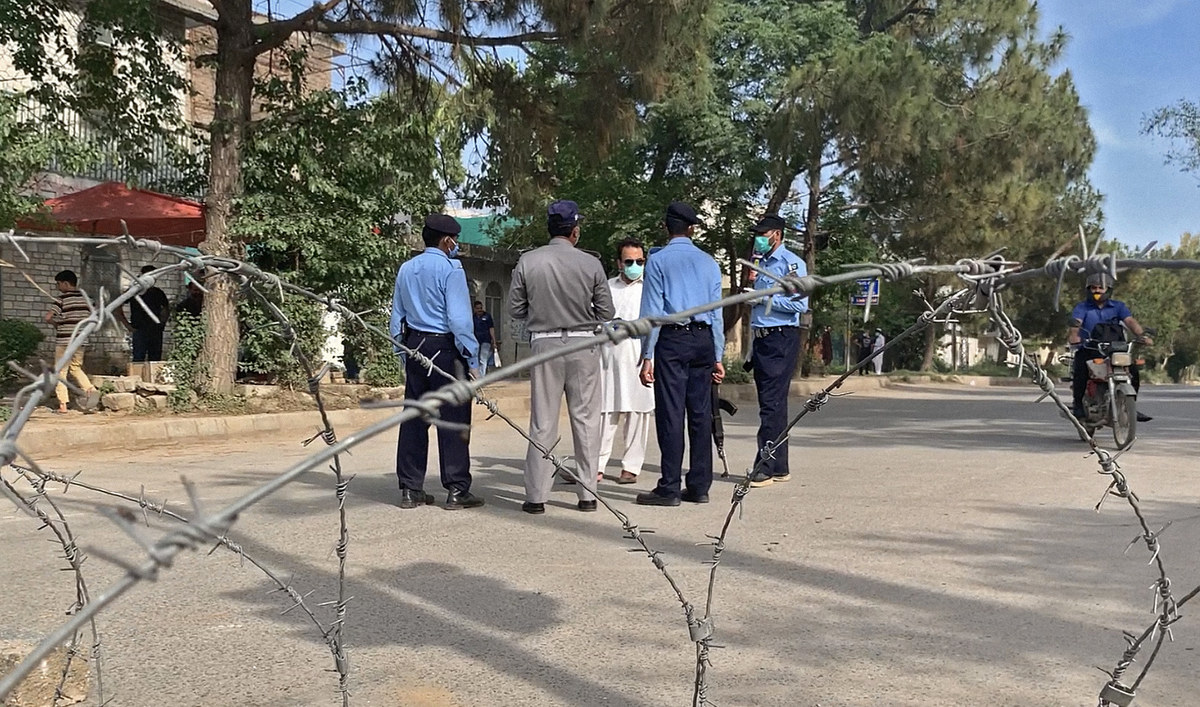
The partially sealed I-10 sector in Islamabad is a potential hotspot for the virus since it is adjacent to the densely populated Rawalpindi city. The area also has a major fruit and vegetable market that supplies these items to the rest of the city, said Imran Mukhtar, a resident of I-10/4 in the capital.
“The administration has failed to ensure social distancing in the vegetable market where thousands of people gather daily to sell and purchase different things,” Mukhtar told Arab News on phone. “The intermingling of these people with the locals has resulted in a sharp spike in COVID-19 cases in the area.”
On the other hand, doctors said the number of coronavirus patients was increasing rapidly in hospitals of the federal capital which could lead to a shortage of ventilators and other facilities in the coming weeks.
“The government can still enforce a complete lockdown for two weeks to flatten the curve,” Dr. Salman Haseeb, chairman of the Grand Health Alliance, told Arab News. “Otherwise we will be facing a major catastrophe and the mortality rate in the city may also shoot up by the end of the month.”