- Call comes as Iranian foreign minister visits Beijing for talks on ending US conflict
- Pakistan has sought to mediate war while condemning recent attacks on Saudi Arabia
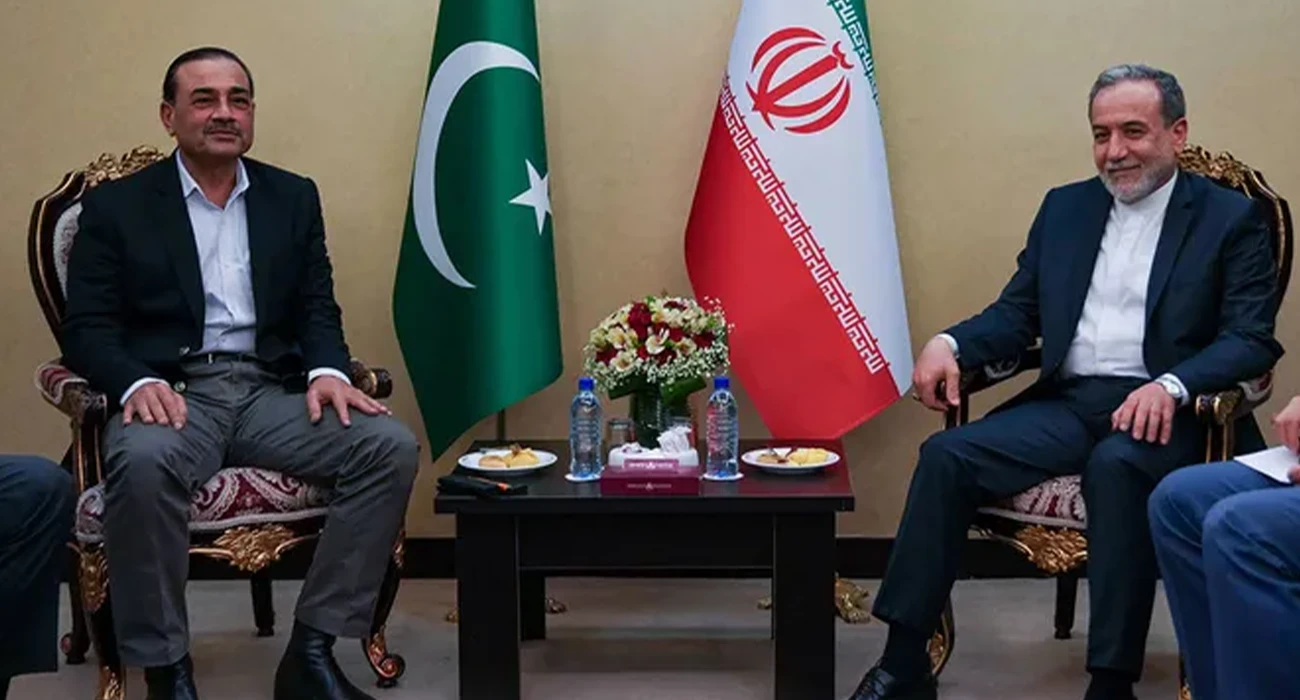
ISLAMABAD: Iran’s Foreign Minister Seyed Abbas Araghchi and Pakistan’s military chief Field Marshal Syed Asim Munir discussed regional developments this week, Iranian state media reported on Thursday, as the US-Iran war and escalating Houthi attacks on Saudi Arabia fuel wider Middle East tensions.
The conversation comes at a delicate moment for Pakistan, which has sought to mediate between Washington and Tehran while maintaining close security ties with Saudi Arabia, where Iran-aligned Houthi forces have intensified attacks on cities and energy infrastructure in recent days.
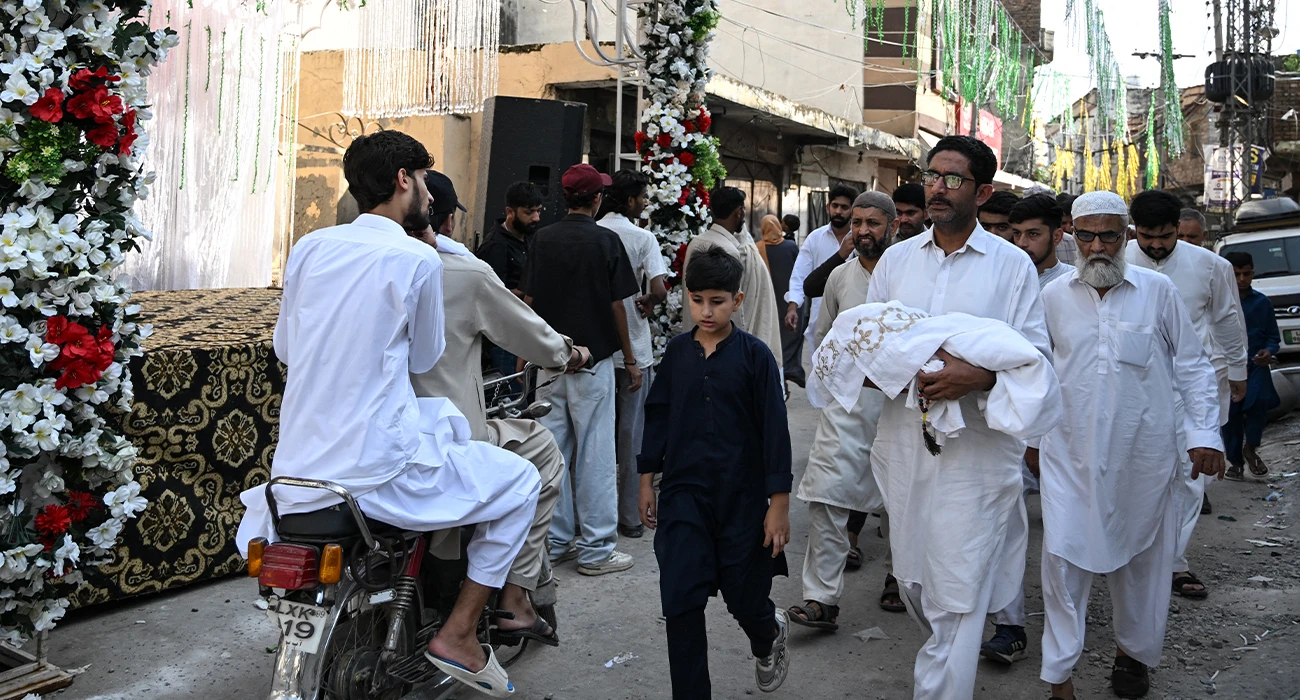
Saudi air defenses on Tuesday intercepted and destroyed a drone launched by Yemen’s Houthis before it entered restricted airspace around the holy city of Makkah, according to the Kingdom. The attempted strike followed a wave of Houthi attacks that wounded 73 people in Saudi Arabia last week and disrupted energy facilities.
Araghchi spoke by telephone with Munir, Pakistan’s chief of army staff and chief of defense forces, from Beijing on Wednesday, the Islamic Republic News Agency reported.
“During the call, the latest regional developments and issues of mutual interest to both countries were discussed and reviewed,” IRNA said.
Araghchi was in Beijing for talks with Chinese Foreign Minister Wang Yi, who urged Iran and the United States to exercise restraint and revive negotiations aimed at ending the conflict. China also called for the reopening of the Strait of Hormuz, a critical route for global energy supplies that has been severely disrupted by the war.
Pakistan has repeatedly sought to mediate between Washington and Tehran since the conflict began on Feb. 28, when the United States and Israel attacked Iran and Tehran responded with strikes on Israel and Gulf states hosting US forces. Munir has played a prominent role in those diplomatic efforts and visited Tehran last month for talks aimed at promoting peace and security.
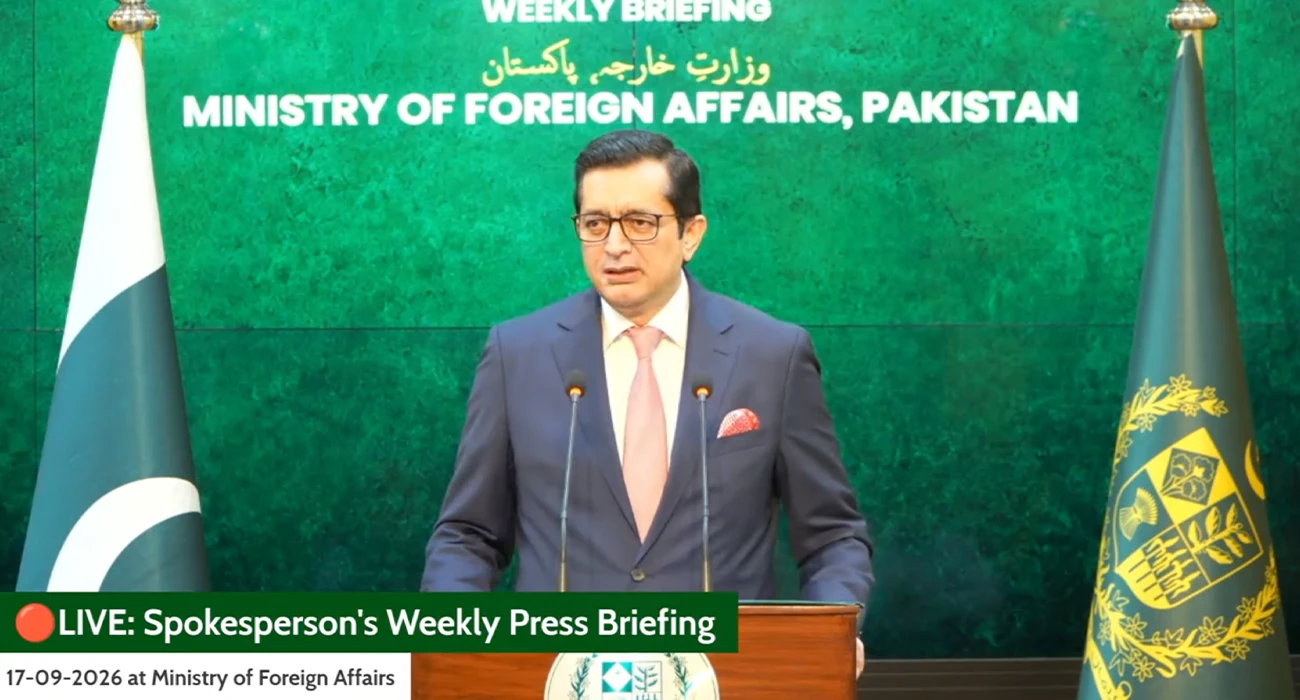
Islamabad has also strongly condemned the recent Houthi attacks on Saudi Arabia, including the attempted strike on Makkah, saying on Wednesday that it stood “firmly” with the Kingdom in protecting its sovereignty and the security of Islam’s holiest sites.
The latest Houthi escalation has opened another front in an already volatile regional conflict. Attacks this month have targeted Saudi cities and energy infrastructure, while the Kingdom shut its East-West oil pipeline as a precaution after multiple attacks on Sept. 10.
The wider conflict has also disrupted major maritime trade and energy routes, particularly the Strait of Hormuz and Bab Al-Mandab, driving up global oil prices and raising import costs for energy-dependent countries including Pakistan.
US President Donald Trump said on Wednesday he hoped the war was nearing an end, while a report by Axios said he was expected to meet Gulf leaders on the sidelines of next week’s UN General Assembly to discuss the conflict.
The war is now in its seventh month. Trump has cited weakening Iran’s nuclear capabilities as one of his objectives, while Tehran says its uranium enrichment program is for peaceful purposes and that it does not possess nuclear weapons.