- Provinces are introducing lockdowns to restrict movement amid public health crisis
- Army troops have been deployed to assist civilian administrations in efforts to stop virus spread
ISLAMABAD: The shutdown of Pakistan expanded on Tuesday with the largest province of Punjab and the Islamabad Capital Territory joining Sindh in a two-week lockdown to contain the spread of coronavirus, as the number of recorded infection cases exceeded to 918 in the country.
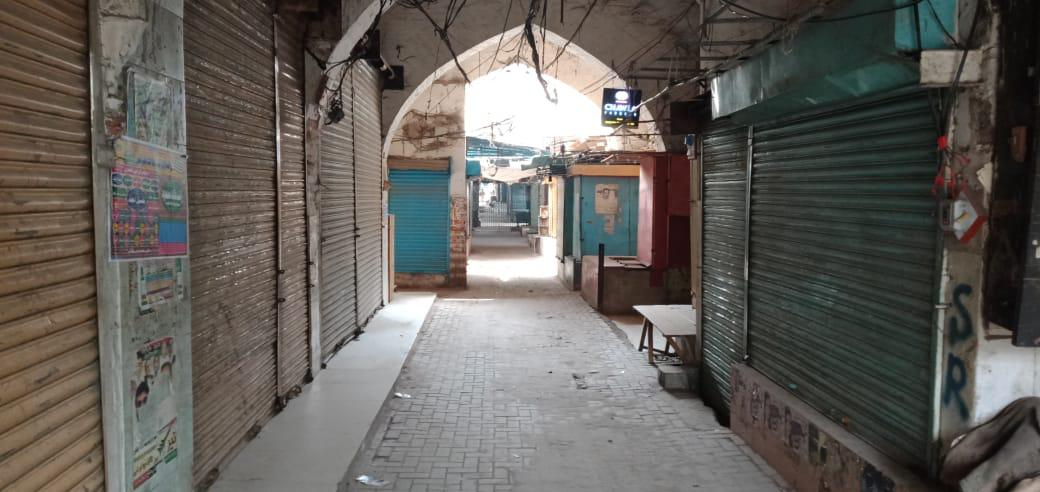
Shopping centers across Punjab and Islamabad will be closed from Tuesday to April 6. Only grocery stores and pharmacies will continue to operate.
Sindh province imposed a complete lockdown on Monday as part of desperate measures to contain the spread of coronavirus.
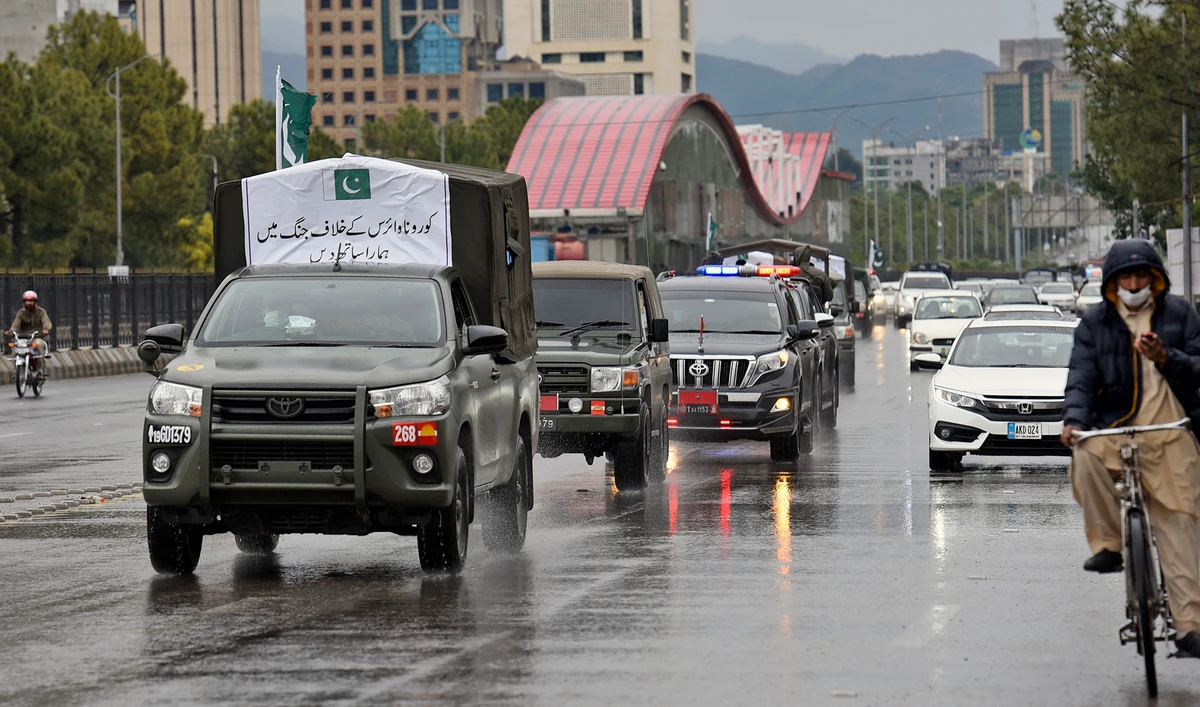
Also on Monday, the Pakistani government authorized the deployment of military personnel across the country to help civilian authorities in their efforts to contain the spread of coronavirus, under Article 245 of the Constitution on the functions of the armed forces, and section 131(A) of the Criminal Procedure Code (CrPC) on the use of military force for public security and maintenance of law and order.
The Ministry of Interior approved requests from Islamabad Capital Territory, Sindh, Punjab, Khyber Pakhtunkhwa, Balochistan, Gilgit-Baltistan and Azad Jammu and Kashmir to call in army troops in their respective jurisdictions.
Army chief Gen. Javed Qamar Bajwa ordered deployment of troops and the army’s medical resources to contain the spread of the virus, the military’s spokesman, Maj. Gen. Babar Iftikhar, said in a video statement on Monday.
“All available soldiers and the army’s medical resources be deployed to tackle the coronavirus,” Iftikhar said.
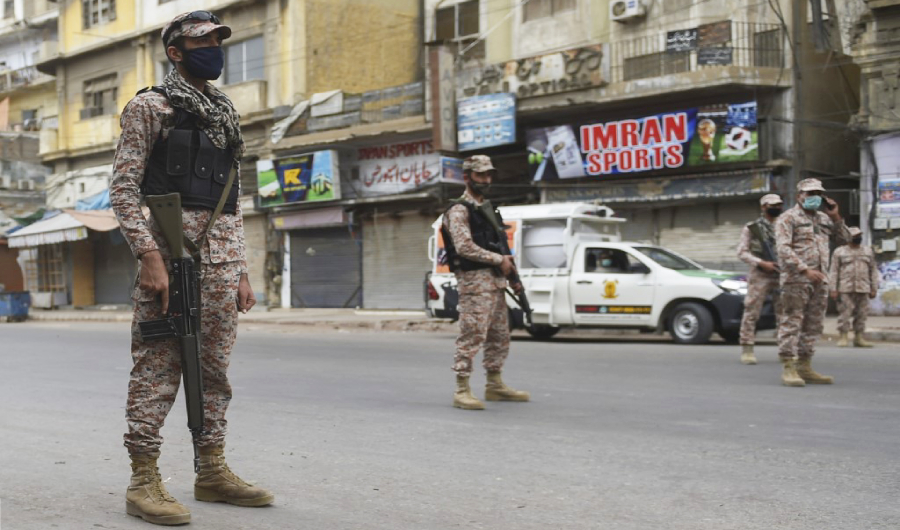
While administrations seek military help to maintain law and order amid movement restrictions, according to some security analysts the deployment of troops is an “extreme measure.”
“The army troops should have been deployed in the cities to maintain law and order as a last resort,” Maj. Gen. (retd.) Ejaz Awan told Arab News. “This job should have been left to the civil armed forces, as they are trained for it.”
Awan suggested the government should have called in the army to reinforce the existing health care infrastructure and establish field hospitals instead of deploying them on the streets.
“The government should utilize all available military health facilities and expertise to fight the disease,” he added.