- IT minister says government working to attract satellite operators as it expands broadband infrastructure
- Pakistan targets 60 percent tower fiber connectivity, reports sharp decline in mobile Internet gender gap
ISLAMABAD: Pakistan is in the final stages of completing regulations for low-Earth-orbit (LEO) satellite Internet services, its information technology minister said on Tuesday, as the government seeks to attract international operators and expand digital connectivity to support economic growth and improve access to essential services.
The announcement comes as Pakistan pursues a broader digital transformation strategy aimed at improving Internet access, strengthening telecommunications infrastructure and bringing underserved communities online.
The government hopes satellite-based services will help extend broadband connectivity to remote areas where conventional fiber and mobile networks have limited reach.
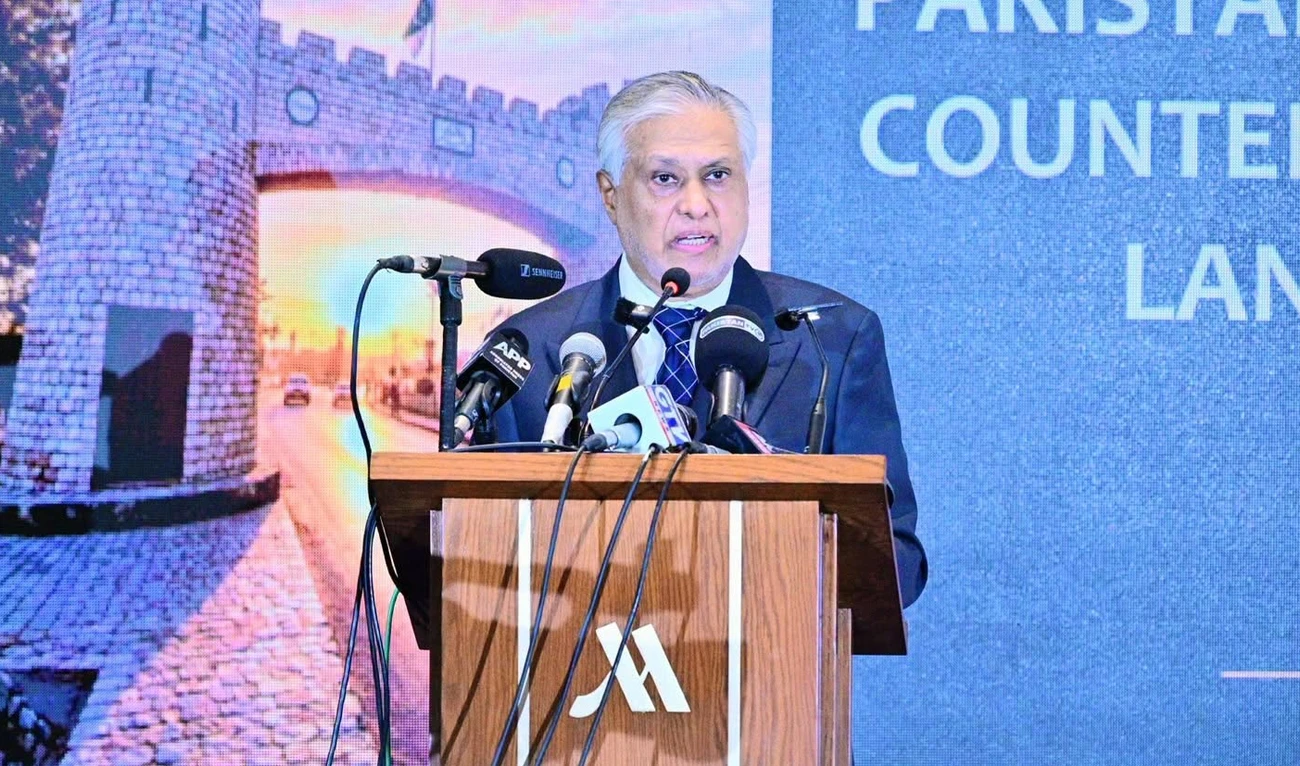
“We’re in the final phases of finalizing the regulations around LEO satellites,” Information Technology Minister Shaza Fatima Khawaja said at an Asia-Pacific Telecommunity symposium in Islamabad.
Referring to the proposed Fixed Satellite Services (FSS) licensing framework, she said: “The FSS framework is almost complete and we’re looking at once again that how can we make sure that anyone who wants to participate in Pakistan in this particular domain comes in seamlessly without friction and it makes a business case to be here in Pakistan.”
The minister said the government was working with relevant regulatory authorities to complete consultations and create an environment conducive to investment in satellite Internet services.
The regulations have been under development for some time. In August, the government told parliament that draft satellite communications regulations had been prepared and that the Pakistan Telecommunication Authority (PTA) had developed the FSS licensing framework, which was expected to be presented to the federal cabinet.
Global satellite operators, including Starlink, a satellite Internet service operated by Elon Musk’s SpaceX, have previously expressed interest in entering Pakistan’s market. However, operators must meet the country’s regulatory and licensing requirements before launching commercial services.
Khawaja said digital connectivity had become essential not only for economic prosperity but also for education, health care, disaster response and national security, making investment in resilient and affordable networks a development priority.
“Today when we talk about connectivity it is no more a question of privilege for a few,” she said.
“Digital connectivity means access to education, means access to health, means survival in disasters. Our digital connectivity today means national economic growth and it translates all the way into our national security.”
She said Pakistan had landed three submarine cables over the past two and a half years and was exploring alternative international connectivity routes to strengthen network resilience.
The Universal Service Fund (USF), a Pakistani government-backed organization tasked with expanding telecommunications services to underserved and unserved areas, had deployed more than 17,000 kilometers of optical fiber across the country, she said.
According to the minister, the number of premises passed by fiber networks had increased from fewer than three million in 2024 to more than five million, while the proportion of telecommunications towers connected to fiber had risen from less than 15 percent to more than 19 percent.
The government aims to increase tower fiber connectivity to at least 60 percent within three years, a target Khawaja said had become more important following Pakistan’s March spectrum auction and the introduction of 5G technology.
“That is our next target, that how will we fiberize at least 60 percent of our towers in the next three years,” she said.
The minister also highlighted progress in narrowing the gender gap in mobile Internet usage, saying Pakistan had recorded the world’s fastest reduction in the disparity, from 38 percent to 8 percent over the past two years, according to industry body GSMA.
“Our 50 percent population almost is that of women and there is no conversation of moving forward without including women in the mainstream economic agenda,” she said.
Khawaja said around 2.2 billion people worldwide remained without Internet access, highlighting the need for countries to develop practical plans to expand connectivity and ensure that digital infrastructure translated into economic and social benefits.
She said the USF had invested approximately $1 billion over the years, completing 158 projects that had extended telecommunications coverage to about 38.4 million people.
The minister called for a shift beyond expanding network coverage toward ensuring that connectivity was affordable, reliable and useful, particularly for communities that had historically been excluded from digital services.
“Today with the whole of government approach we take this agenda forward,” she said.
She urged participants at the two-day symposium to develop measurable roadmaps with clear timelines, resources and performance indicators to turn commitments on digital inclusion into practical outcomes.