- If IMF review is cleared, Pakistan will get more than $900 million of $6 billion loan program
- Discussions slowed since earlier this year due to unfunded subsidies introduced by last government
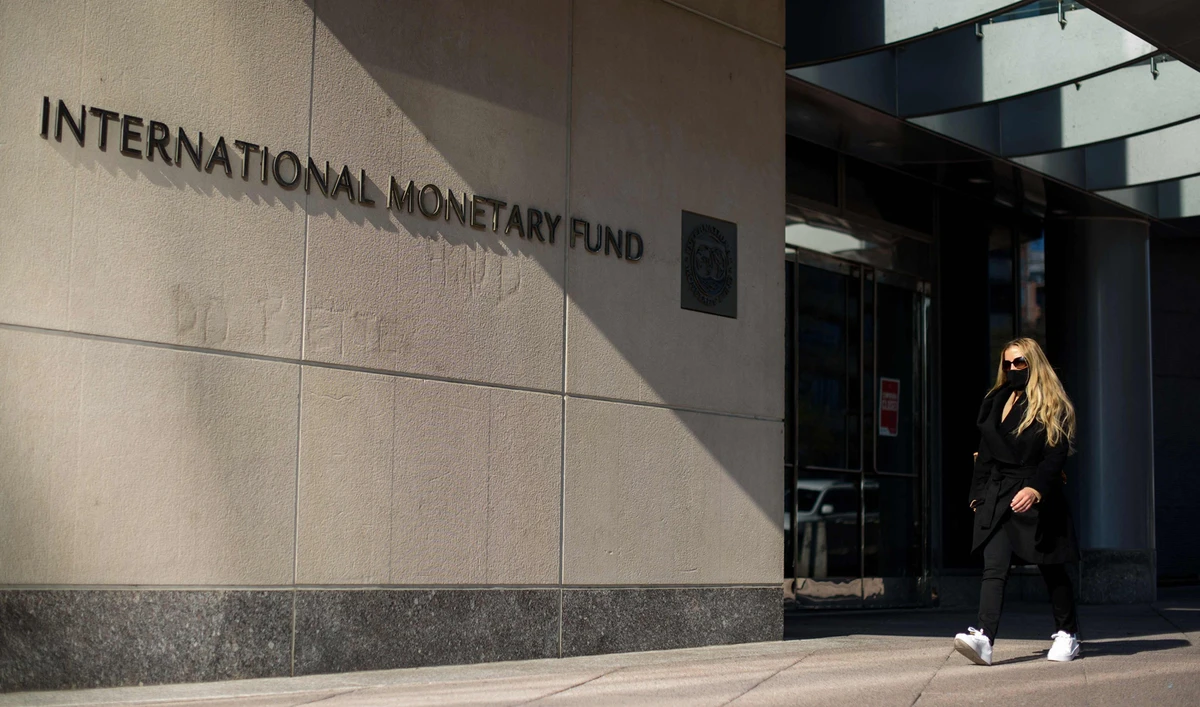
ISLAMABAD: A team from the International Monetary Fund (IMF) will meet Pakistani authorities on May 18 to resume discussions over policies for completing the seventh review of the country's Extended Fund Facility (EFF), local media reported.
If the IMF review is cleared, Pakistan will get more than $900 million of its $6 billion loan program, which would in turn unlock additional external funding.
Discussions have been slowed since earlier this year due to unfunded subsidies introduced by the last government of ex-Prime Minister Imran Khan to keep fuel and power prices steady for consumers, going against IMF recommendations. Last month, the new government of Shehbaz Sharif rejected a proposal to raise the prices of petroleum products "so as not to burden the consumers," according to the finance ministry.
The South Asian nation is in dire need of external finances due to a widening current account deficit and foreign reserves falling to less than two months of imports.
"We can confirm that an International Monetary Fund team led by Nathan Porter will meet the Pakistani authorities on May 18 to go over the latest economic developments and policy implementation,” an IMF spokesperson told Pakistan’s The News daily.
She said it was “important for the authorities to proceed with the implementation of policies with the aim of achieving macroeconomic stability, and inclusive, sustainable growth, as discussed at the time of the Spring Meetings in Washington D.C. We look forward to continuing policy level discussions during the second half of May.”
On April 24, 2022, IMF Pakistan mission chief Nathan Porter said it had been agreed after a meeting with Finance Minister Miftah Ismail “that prompt action is needed to reverse the unfunded subsidies which have slowed discussions for the 7th Review.”
A new Pakistani government that took over last month from ousted PM Khan has said it was facing enormous economic challenges, with the fiscal deficit likely to exceed 10% of gross domestic product (GDP) at the end of the current financial year in June ahead of presenting the annual budget.
The new government also needs to deal with double-digit inflation, and slow growth of the economy, which the IMF said in its last report was likely to stay at 4% against Pakistan's earlier projection of 4.8%.
But the toughest call is to reverse subsidies in oil and power, and defending a blanket tax amnesty Khan gave in the run up to his fall in a no-confidence vote in parliament.