- Planning minister says government has increased ‘sentinel testing’ in high-risk areas like restaurants, tourist spots and marriage halls
- As restrictions are lifted, extensive contact tracing has become key to control the spread of COVID-19 before schools reopen in mid September
ISLAMABAD: The Pakistan government has doubled contact tracing and randomized coronavirus testing in high-risk areas like restaurants and tourist destinations to curb the spread of the virus before the phased reopening of educational institutions by mid September, the planning minister said on Tuesday.
Contact tracing has been used for decades to control the spread of infectious diseases. The idea is to track down infected people, find everyone who has been near them and encourage those people to stay home until it is clear they are not ill.
Right now, on and off stay-at-home orders are being used worldwide to minimize the potential for people infected with the novel coronavirus to spread it. As restrictions are lifted and normal activities resume, experts agree that extensive contact tracing will be needed to prevent new outbreaks, including in Pakistan, a country of 220 million people.
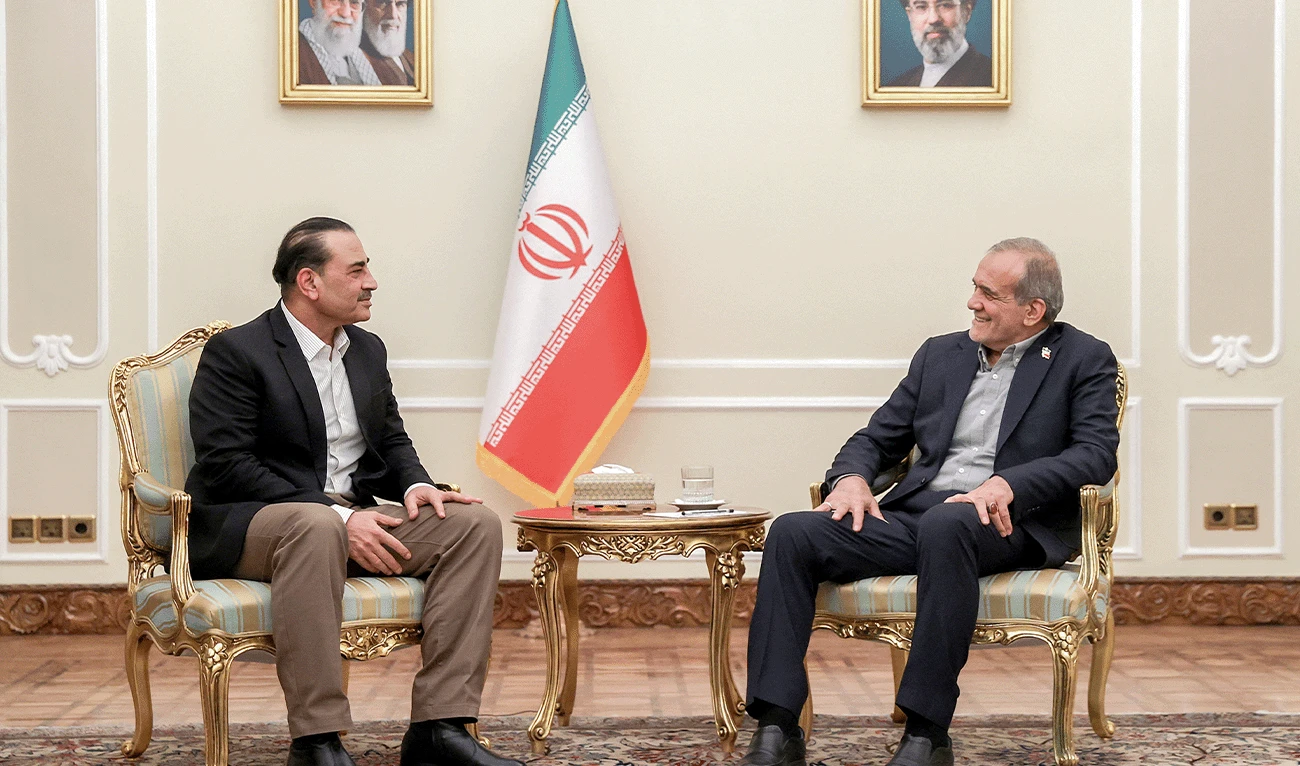
“We have a strong emphasis on contact tracing,” planning minister Asad Umar, who also heads the coronavirus National Command and Operation Center (NCOC), told Arab News in an interview. “The [traced] numbers which were from four to six per [for a] coronavirus patient, are now in double-digit up to 12.”
According to health ministry officials, rapid response and surveillance teams are working at the district level to track suspects and collect their samples for testing in close coordination with provincial governments and the National Institute of Health in Islamabad.
Trained staffers interview COVID-19 patients to fill a detailed questionnaire about where they have been and who they have met in the last fourteen days. They then track potential contacts in cities and villages to confirm their medical condition, take samples and advise self-quarantine at home for 14 days based on symptoms.
According to a study carried out by a University of Oxford research team, the main challenge for rapid response teams is to track suspects as quickly as possible because between a third and half of all transmissions between people can happen before a person is even aware that he or she is infected.
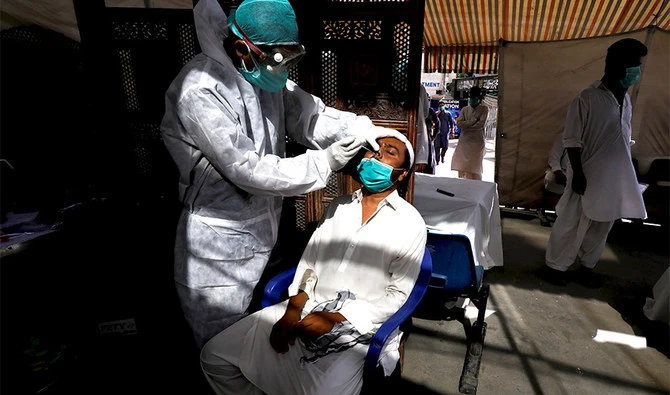
Umar said the government had also increased ‘sentinel testing’ in high-risk areas like restaurants, tourist spots and marriage halls to record the rate of spread of the virus and formulate policies accordingly.
“In fact, forty to forty five percent daily testing is being carried out at these places,” the minister said.
Sentinel testing is random and used to determine where the virus is moving in a community.
“Our strategy keeps evolving with the change in the situation,” Umar said. “We are also putting in place micro smart lockdowns where needed.”
Pakistan has so far had 294,193 confirmed COVID-19 cases and 6,267 deaths. Over 2.5 million tests have been conducted since late February this year, resulting in 11.7 percent positive cases. The country’s current positive ratio has dropped to around 1.95 percent.
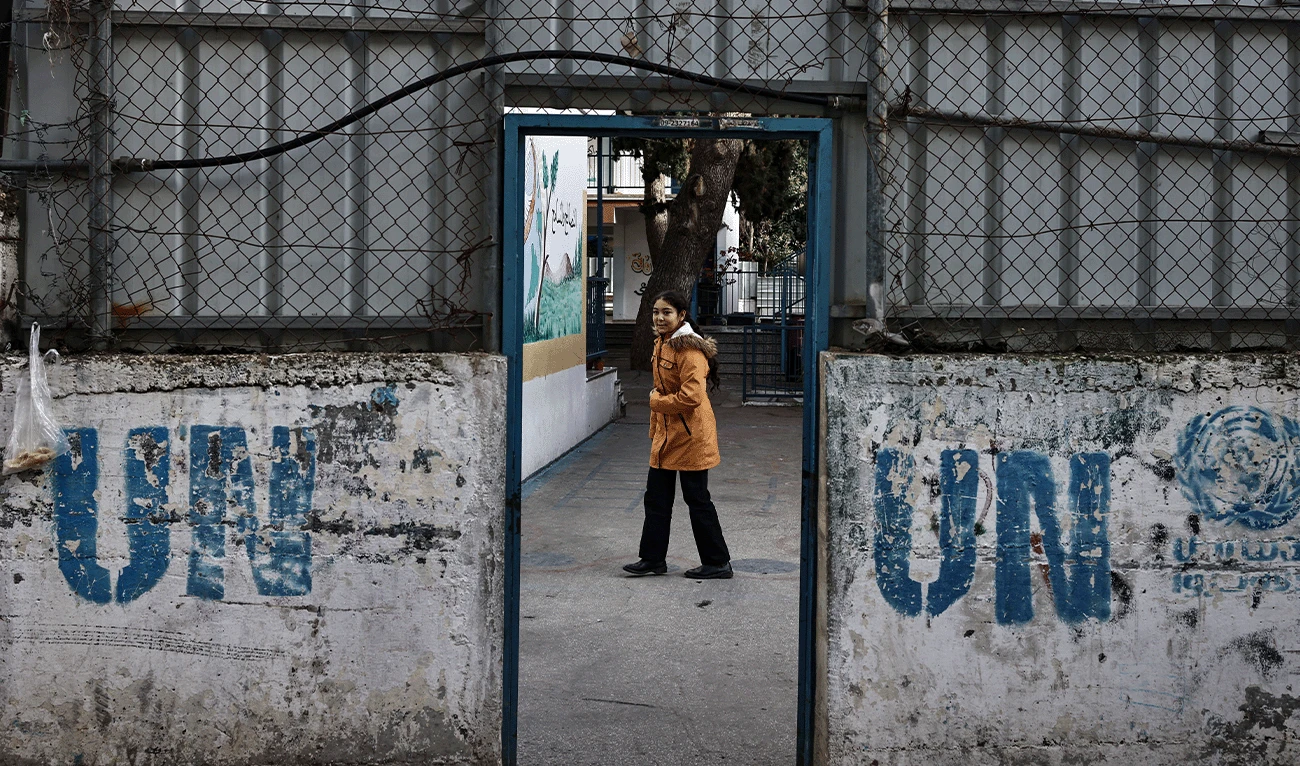
The minister said the government was lining up trainings for staff and setting up monitoring systems on the basis of international standard operating procedures so educational institutions could be reopened from September 15.
“We have finalized SOPs [for the reopening of schools] on the basis of experiences and expert guidelines,” he said, quoting the examples of Israel, Australia and Germany where schools have reopened after a decline in infection numbers.
“The final decision will be taken on September 7 [about schools reopening], but most probably there will be a phased opening,” the minister said.
About the COVID-19 vaccine, he said Pakistani scientists were taking part in Phase-III trials of different vaccines to ensure their early availability in Pakistan.
“Pakistani scientists are not working on development of the vaccine as this is a highly sophisticated work, but we are participating in trials with the Chinese,” he said.