- Measures suggested by National Command and Control Center to be reviewed by federal and provincial governments before approval
- 1,708 people test positive for COVID-19 and 25 die in highest single-day spike since July
ISLAMABAD: The National Command and Operation Center (NCOC), which leads coronavirus mitigation efforts across the country, has called for banning large public gatherings and enhancing restrictions in high-risk areas as a second wave of the coronavirus sweeps through Pakistan.
At least 25 people died from COVID-19 in the past 24 hours and 1,708 tested positive, the highest single-day spike since July, the NCOC said.
Last month, Pakistan’s de facto health minister, Dr. Faisal Sultan, announced that the second wave of coronavirus had arrived and new restrictions and lockdowns were ‘inevitable.’
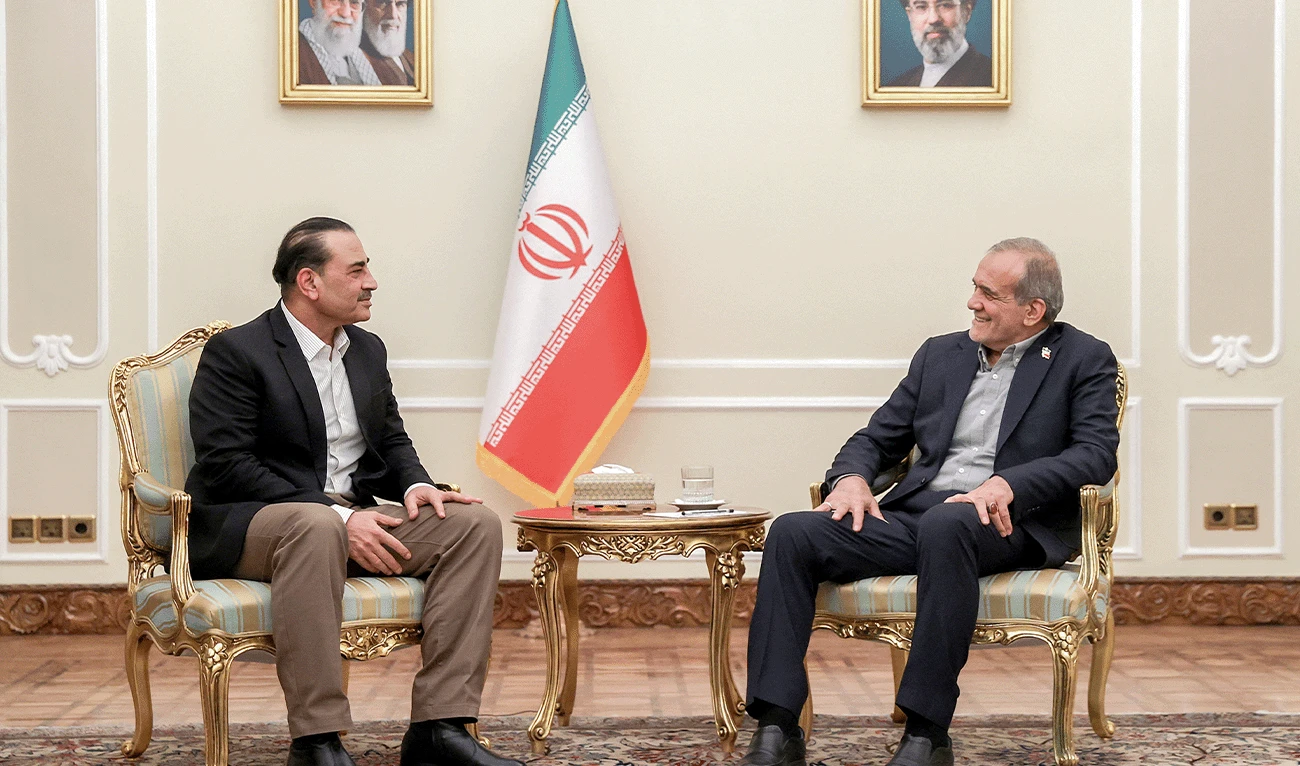
On Wednesday, Federal Minister for Planning, Asad Umar, chaired a meeting of the NCOC and submitted the following measures for approval by the federal and provincial governments:
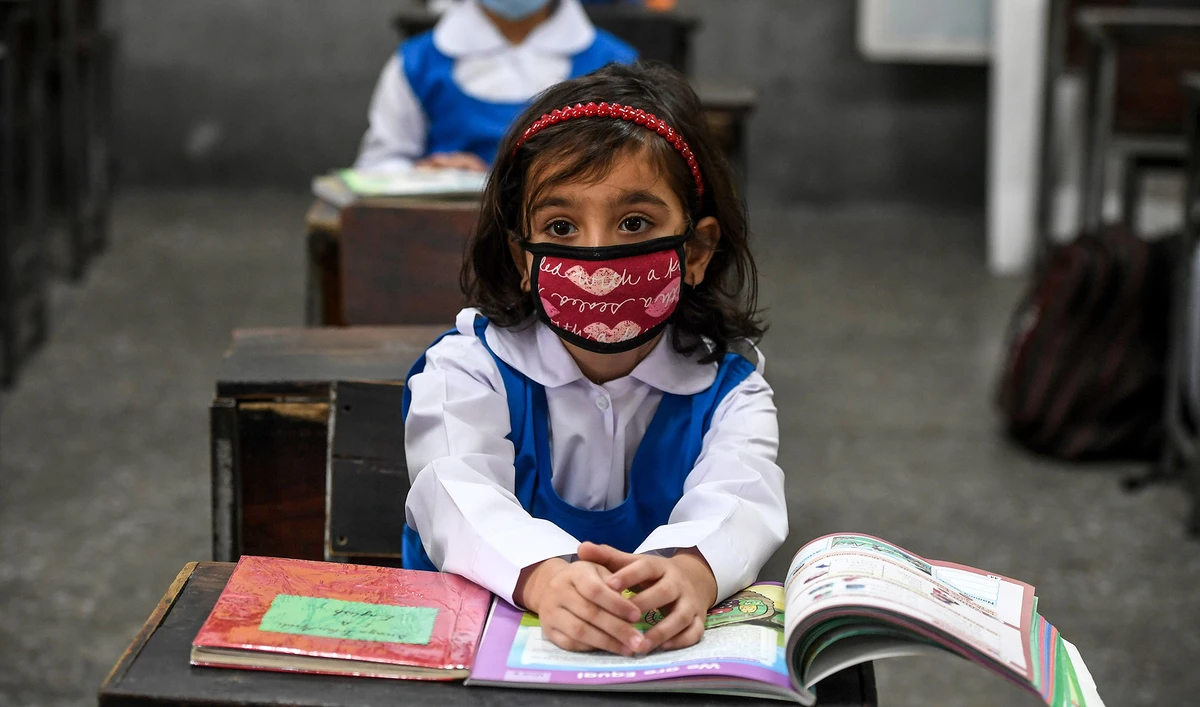
That all public gatherings of more than 500 people be banned including political, cultural, religious, entertainment and civil society gatherings; schools shut down for early and extended winter vacations after input by federal and provincial education ministers; only take away and outdoor dining till 10 p.m. be allowed at restaurants; cinemas, theaters and shrines to be closed with immediate effect; and revised shortened timings be imposed for markets and shops.
“The Forum was told that the disease had increased three folds since the NCOC recommended to ban large public gatherings and outdoor activities on October 12 and November 3 to the National Coordination Committee (NCC) for its final decision. However, consensus by all stakeholders is awaited,” the NCOC said in a statement.
“Forum decided that on 16 November the Federal Minister for Education would chair a special meeting at NCOC with provincial education ministers on board to assess and review the positivity prevailing in educational institutions,” the statement added. “After consultative discussions the recommendations would be shared with the provinces for consequent decision and enforcement.”
On its part, the NCOC suggested early and extended winter vacations for schools and only outdoor weddings with no more than 500 people from November 20.
The NCOC said there were 21,098 active coronavirus cases in Pakistan as of November 11, and 320,065 people had recovered so far across the country.
According to a government portal, Pakistan has recorded 348,184 total infections so far and 7,021 deaths.
In recent weeks, authorities have imposed micro-lockdowns around the country as cases have continued to surge.
Prime Minister Khan has repeatedly said the country would need to learn to “live with” the virus to avert pushing tens of millions living on daily wages into destitution.
Pakistan began to lift its lockdown, imposed in March, on May 9, about two weeks before the Eid Al-Fitr festival that marks the end of the Islamic holy month of Ramadan and is celebrated with congregation prayers, family gatherings and feasting. Transport and most businesses reopened but cinemas, theaters and schools remain closed.
In August, the government announced that virtually all sectors shut down to prevent the spread of the coronavirus would be reopened that month, other than schools and marriage halls, which opened in September. There has been a uptick in infection numbers since.