- Dr. Zafar Mirza says ‘contact tracing’ being carried out of all confirmed cases
- 35 of total cases are from southern Sindh province, 13 were pilgrims from Iran
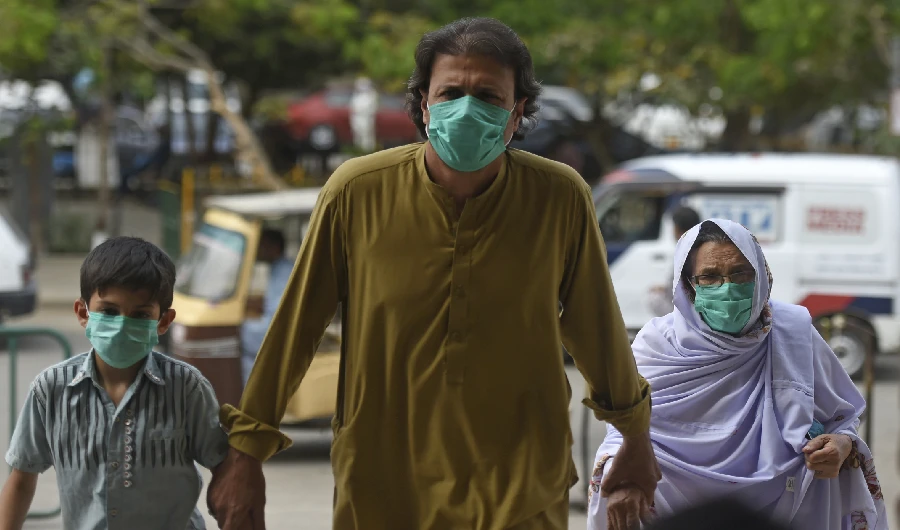
ISLAMABAD: The number of confirmed coronavirus cases in Pakistan rose to 52, the de facto health chief said on Sunday, 35 of them in the southern province of Sindh where only 17 cases had been confirmed by Saturday.
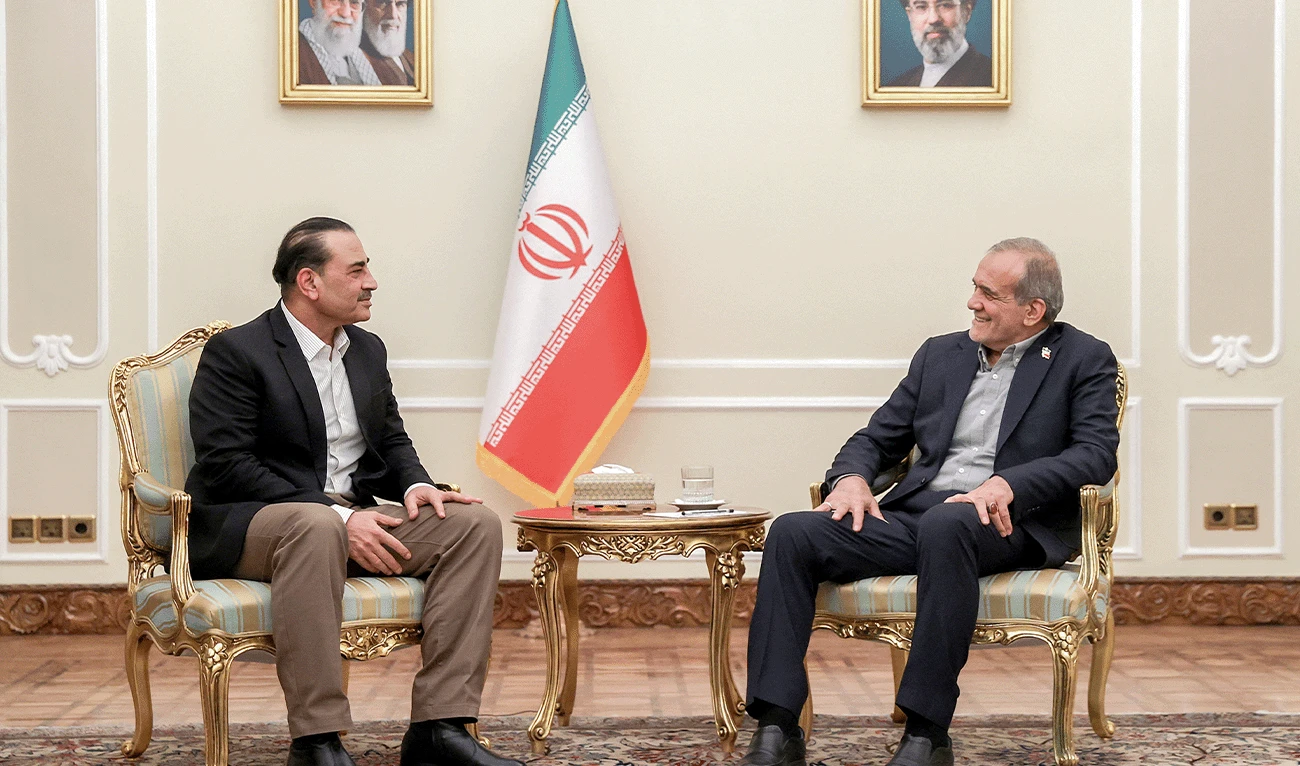
“There are now 52 confirmed cases, of which effective contact tracing is being carried out,” Dr. Zafar Mirza, the prime minister's special assistant on public health, said in a Twitter post.
Contact tracing involves tracking citizens across the country believed to have been potentially exposed to the coronavirus through travel to virus hotspot nations or by coming in contact with someone with the virus within their own borders, which is known as secondary transmission.
“We’ve increased our diagnostic capacity, and are now able to carry out #coronavirus test in 13 labs across the country,” Mirza said.
Sindh government spokesman Murtaza Wahab said the total number of cases in the southern province had risen to 35.
One person in Sindh has tested positive for the coronavirus, he said in a tweet. “As per the available information, the patient originally belongs to Baluchistan (province) & had reached Khi (Karachi city) last night. So the total number of patients in Sindh has now reached 35 out of which 2 have recovered.”
He said that 13 of the latest cases were of pilgrims from Iran who had been quarantined at the Taftan border before their arrival in Sukkur.
Pakistan borders China and Iran, both of which have been hit hard by the virus. Most of the people with infections had recently traveled to Iran, though Pakistan reported its first locally contracted case on Friday.
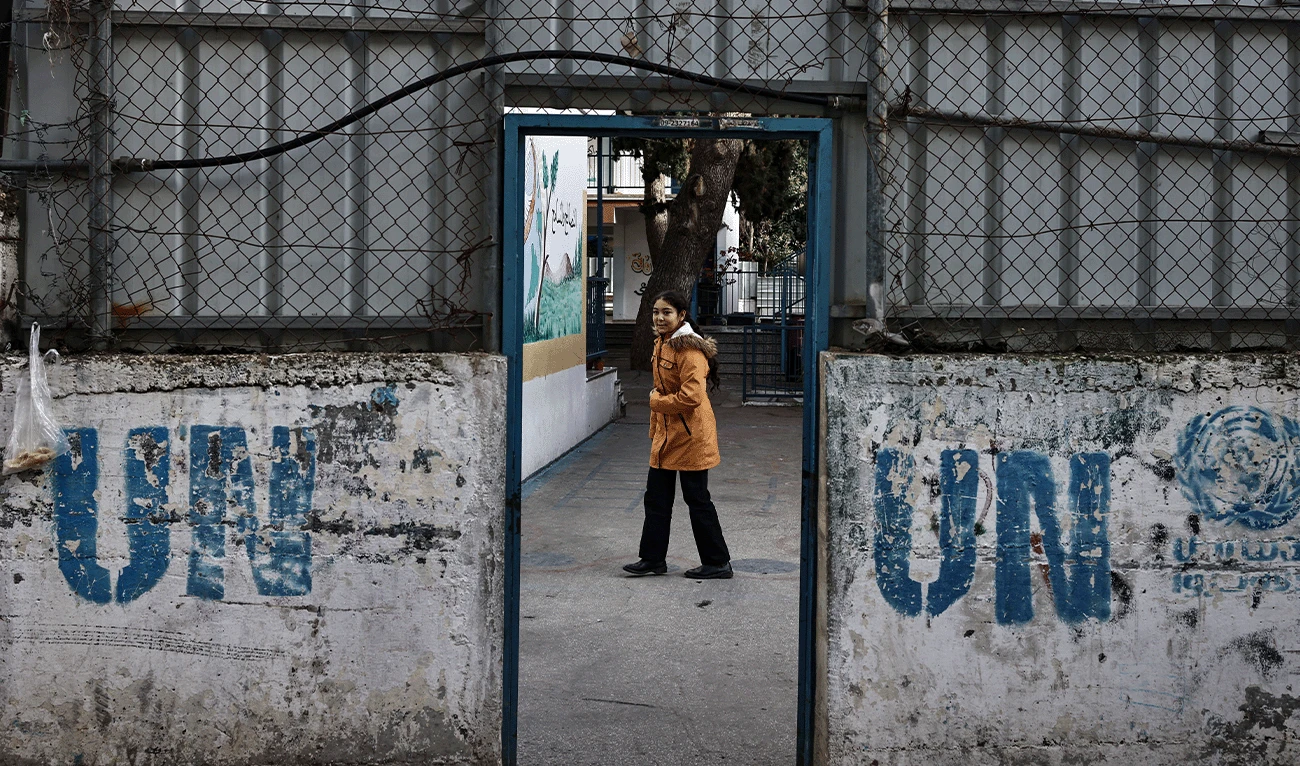
The government shut all its schools and land borders on Friday and decided to limit international flights and discourage large gatherings to try to halt the spread of the coronavirus.
The country’s largest sporting event, the Pakistan Super League, was also shortened and its matches closed to spectators. Local media reported that many overseas players had opted to leave the country.
Pakistan, like most South Asian countries, has a poor public medical care system ill-equipped to deal with any large scale health emergency such as coronavirus.