- The development comes amid renewed United States-Iran hostilities in the Middle East in their six-month conflict
- Commerce body demands end to petroleum levy for export-oriented industries and provision of targeted safety net
KARACHI: Pakistan’s top commerce body on Tuesday urged the government to take immediate measures to shield the country’s trade and economy from the impact of global oil price volatility, warning that rising energy costs could undermine export competitiveness amid growing geopolitical uncertainty.
The development comes amid renewed United States-Iran hostilities in the Middle East in their six-month conflict, which has disrupted energy supplies through the Strait of Hormuz. The situation has been aggravated by a wave of Houthi attacks on oil facilities and utilities in Saudi Arabia’s southern region.
In energy markets, Brent crude, the international standard, added 1.5 percent to $98.48 a barrel — its highest level in about six weeks. Benchmark US crude surged 2.5 percent to $93.79 a barrel, about 40 percent than it was in late February just before the US and Israel launched their attacks on Iran. Elevated oil prices have raised costs for consumers and businesses alike.
Atif Ikram Sheikh, president of the Federation of Pakistan Chambers of Commerce & Industry (FPCCI), expressed grave concerns over the mounting pressure of volatile global oil markets on Pakistan’s macroeconomic stability, warning that successive global oil shocks, compounded by high domestic levies, were crippling the country’s export competitiveness and threatening widespread industrial closures.
“With the prices of high-speed diesel (HSD) and furnace oil significantly inflating inland logistics, supply chains, cost of electricity generation, and manufacturing overheads, the country’s flagship export sectors are rapidly losing their footing against regional competitors,” he said in a statement.
“To successfully hedge the economy and industrial sector against these external shocks, FPCCI has proposed a multi-pronged approach. Foremost, the trade body demands an immediate suspension of the Petroleum Development Levy (PDL) for export-oriented manufacturing. This targeted safety net is essential to provide a critical financial buffer and preserve the country’s foreign exchange earnings.”
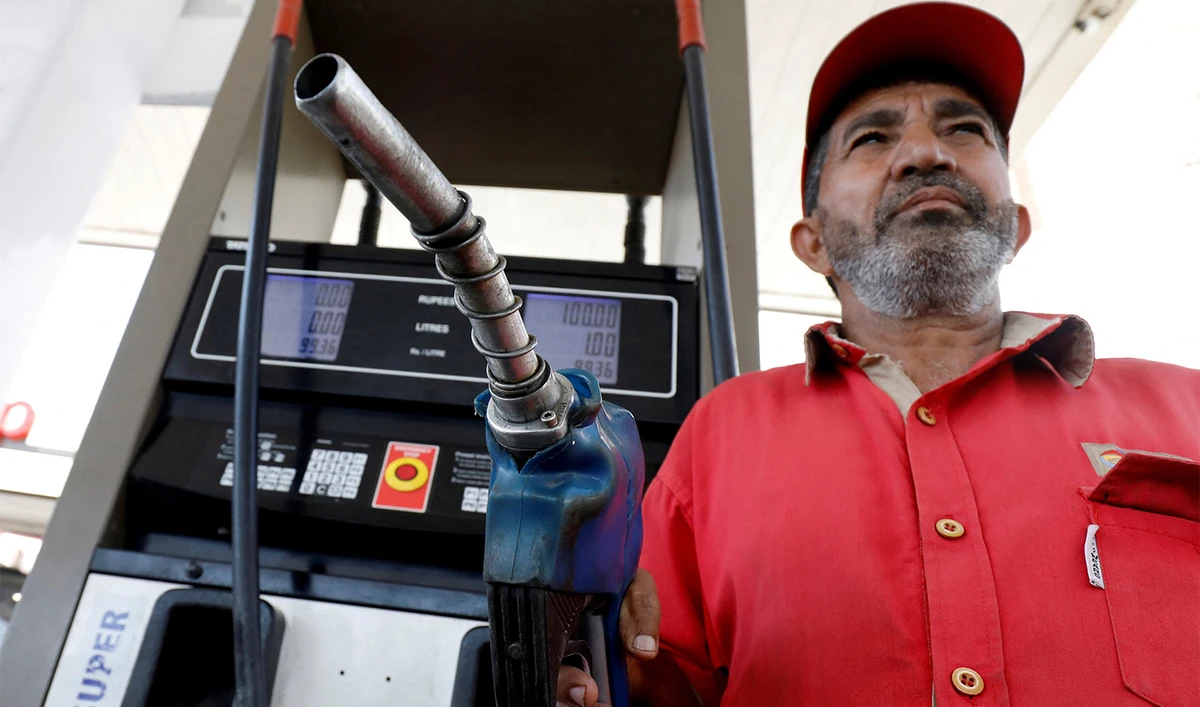
The statement came after Pakistan increased the price of petrol by Rs12.9 per liter [$0.04] and high-speed diesel (HSD) by Rs3.72 per liter [$0.01], according to the energy ministry. A liter of petrol now costs Rs358.77 ($1.29) while HSD costs Rs381.77 ($1.38).
Taxes on petrol currently stand at Rs114 per liter, while taxes and duties on diesel remain at Rs100 per liter, figures that include a Rs80 per liter levy on petrol and Rs77.28 per liter levy on diesel. An additional Rs5 per liter ‘climate support charge’ is also applied to both fuels.
The FPCCI president called for a fast-tracked national transition toward alternative and renewable energy sources, in addition to fuel-specific interventions.
Sheikh stressed the absolute necessity of rationalizing overall energy tariffs by bringing electricity and gas tariffs at par with regional competitors, such as Bangladesh, Vietnam and India, to shield core industrial bases from massive economic shocks.
The ripple effects of exorbitant freight and transportation costs are eroding the narrow profit margins that exporters rely on to secure international orders, according to the FPCCI official.
“Small and Medium Enterprises (SMEs) – the backbone of the export supply chain – lack the financial muscle of larger corporations and will be the hardest hit,” he said. “SMEs are facing an immediate liquidity crisis as their operational costs surge sharply. Without targeted intervention, inevitable factory closures, shift reductions, and mass unemployment will follow.”
Sheikh said the country urgently needed a dedicated, strategic safety net for exporters to prevent widespread de-industrialization. To ease the ongoing liquidity crisis, he also urged an aggressive reduction of the central bank’s exceptionally high policy rate of 11.5 percent to provide affordable working capital for industrial production.