- The statement came during the presentation of the UN Human Rights Council’s report to the General Assembly
- Islamabad has consistently called for promoting interfaith harmony, curbing hate against religious communities
ISLAMABAD: Pakistan expressed deep concern over the growing prevalence of Islamophobia, religious intolerance, racism and xenophobia at a meeting of the United Nations (UN), the Pakistani mission said on Saturday, calling for sustained international action to counter hatred and promote peaceful coexistence.
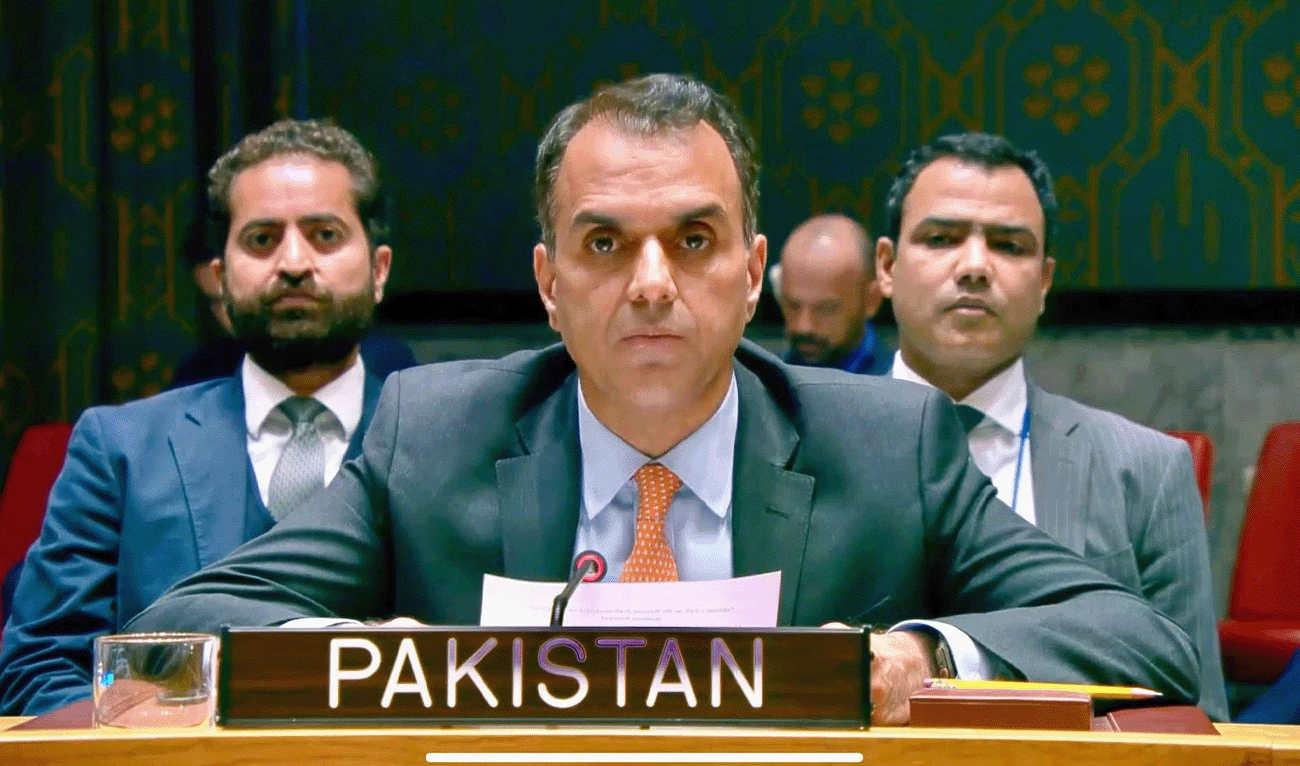
The statement by Ambassador Usman Jadoon, Pakistan’s acting permanent representative to the UN, came during the presentation of the UN Human Rights Council (HRC) report to the General Assembly that urged states to ensure respect of human rights.
Pakistan has repeatedly raised concerns at the United Nations over what it describes as a global rise in Islamophobia and religious intolerance, urging stronger international measures to combat discrimination against Muslims.
Islamabad has been a leading advocate of the UN-designated International Day to Combat Islamophobia, observed annually on March 15, and has consistently called for promoting interfaith harmony, protecting freedom of religion and addressing hate speech targeting religious communities.
“Pakistan also expressed deep concern over the growing prevalence of Islamophobia, religious intolerance, racism and xenophobia, urging sustained international efforts to counter hatred and promote mutual respect, tolerance and peaceful coexistence,” Pakistan’s UN mission said, citing Ambassador Jadoon.
The Pakistani diplomat said the Council’s work must be guided by universality, impartiality, objectivity and non-selectivity, and serve as a platform for constructive dialogue and cooperation.
Selectivity and double standards, he cautioned, undermine the forum’s credibility and weaken the international human rights system.
“Civil, political, economic, social and cultural rights are universal, indivisible and interdependent,” Jadoon said, adding that “developing countries continue to face persistent poverty, inequality, debt burdens and climate-related challenges.”
He called for stronger engagement with the interlinkages between human rights, development and sustainability.