- Pakistan produced 210,268 electric two- and three-wheelers in fiscal year 2025–26, up from 59,756 a year earlier
- Senate committee questions charging infrastructure, calls for mandatory technical training at manufacturing plants
ISLAMABAD: Pakistan’s production of electric two- and three-wheelers more than tripled in the fiscal year ending in June, official data showed, but lawmakers on Tuesday pointed to a lack of infrastructure and skilled workforce to support the country’s wider shift to electric vehicles.
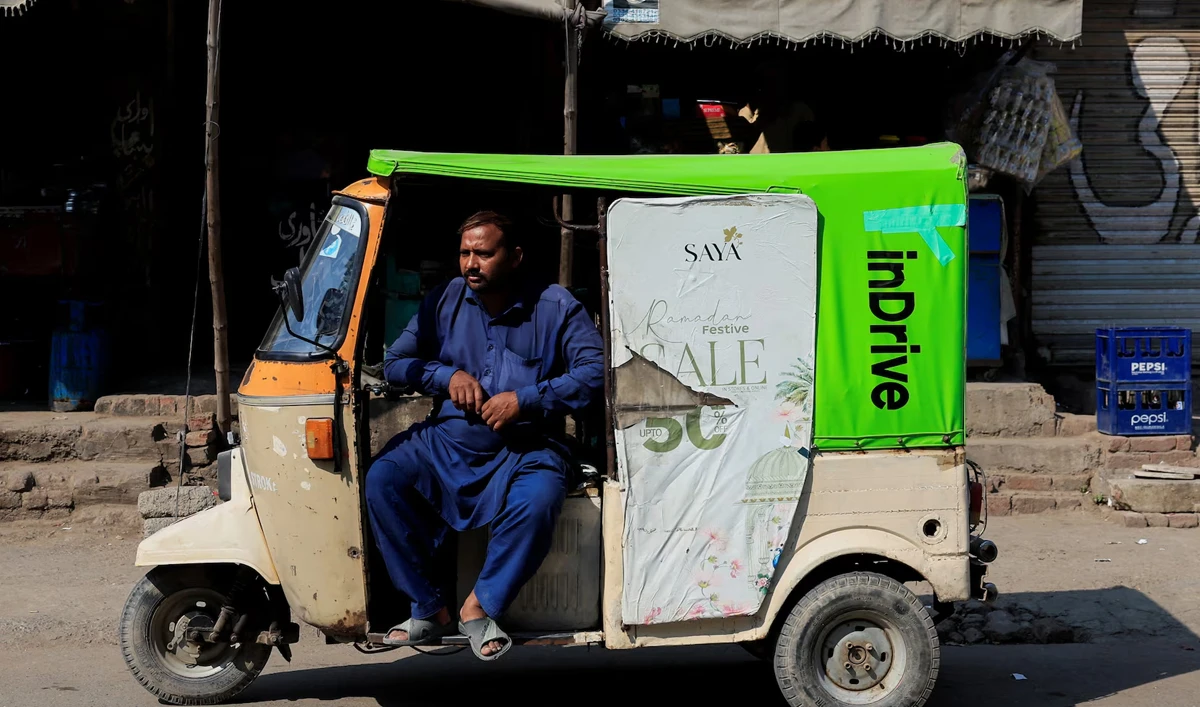
The Engineering Development Board (EDB) told a Senate committee that Pakistan produced 210,268 electric two- and three-wheelers in fiscal year 2025–26, up from 59,756 a year earlier. Production has risen steadily from 7,345 units in 2021–22, 14,995 in 2022–23 and 21,551 in 2023–24, according to the written submission.
Pakistan’s New Energy Vehicle (NEV) Policy 2025–30 aims for new energy vehicles, including electric and hybrid models, to account for 30 percent of new vehicle sales by 2030. It also sets a target of 2.223 million such vehicles by that year. The government says the transition could cut carbon emissions by 4.5 million tones and save around 2.07 billion liters of fuel annually, equivalent to nearly $1 billion in foreign exchange.
Currently, more than 85 companies have licenses to assemble or manufacture electric two- and three-wheelers in Pakistan, with cumulative local production capacity of electric motorcycles exceeding 290,000 units, the EDB said. The figures were presented to the Senate Standing Committee on Industries and Production following a question about electric vehicle manufacturing by Senator Anusha Rehman.
“You do not have the necessary infrastructure for EVs,” Rehman told officials of the industry and production ministry, questioning if manufacturing expansion was being matched by investment in charging facilities.
“Globally, infrastructure is developed first, and then vehicles are manufactured. In Pakistan, we are doing the opposite.”
An official said the government aimed to establish at least 3,000 charging stations nationwide and had negotiated a discounted electricity tariff of 40 rupees ($0.14) per unit for charging facilities.
Around 18 installations were under way, while 40 locations along the motorway network between Peshawar and Karachi had been identified for charging infrastructure, he said.
The EDB’s written submission did not give a definitive count of operational public charging points.
Rehman said only one station at Bhera on the Islamabad-Lahore motorway had been confirmed as operational.
TRAINING AND POLICY GAPS
The committee also questioned whether manufacturers were required to train workers in the technology used at their plants.
Rehman described a visit to a Chinese electric vehicle factory, where she said workers received practical training at vocational centers linked to manufacturing facilities.
She urged the government to make it compulsory for companies seeking manufacturing licenses to establish their own technical training centers, rather than relying solely on general vocational training programs.
An official acknowledged that current licensing requirements did not make such centers a prerequisite for setting up an electric vehicle manufacturing unit.
The industry and production ministry had established a working group with the National Vocational and Technical Training Commission (NAVTTC) and provincial technical education authorities to develop specialized courses, according to the official. These would cover battery management systems, vehicle software, motors and electrical equipment.
Industry representatives said some companies were already sending technical staff to China for training, while others highlighted the need for specialized skills in manufacturing, quality control and after-sales repairs.
The committee chairman Saleem Mandiwala urged the government to make incentives conditional for companies establishing operational manufacturing plants within specified deadlines and to give priority to investors offering technology-transfer arrangements and joint ventures.
The government has introduced reduced customs duties of one percent on imported components specific to electric vehicles, including batteries, motors, converters and chargers, until June 2027. Two- and three-wheel electric vehicles manufactured locally are also subject to a one percent sales tax, the committee was told.
A manufacturer told lawmakers that locally assembled charging equipment had faced duties and taxes of up to 52 percent because of customs classification issues.
Rehman said she had intervened in the matter and asked the Federal Board of Revenue to remove the equipment from the relevant classification, with the applicable rate being brought down to one percent.