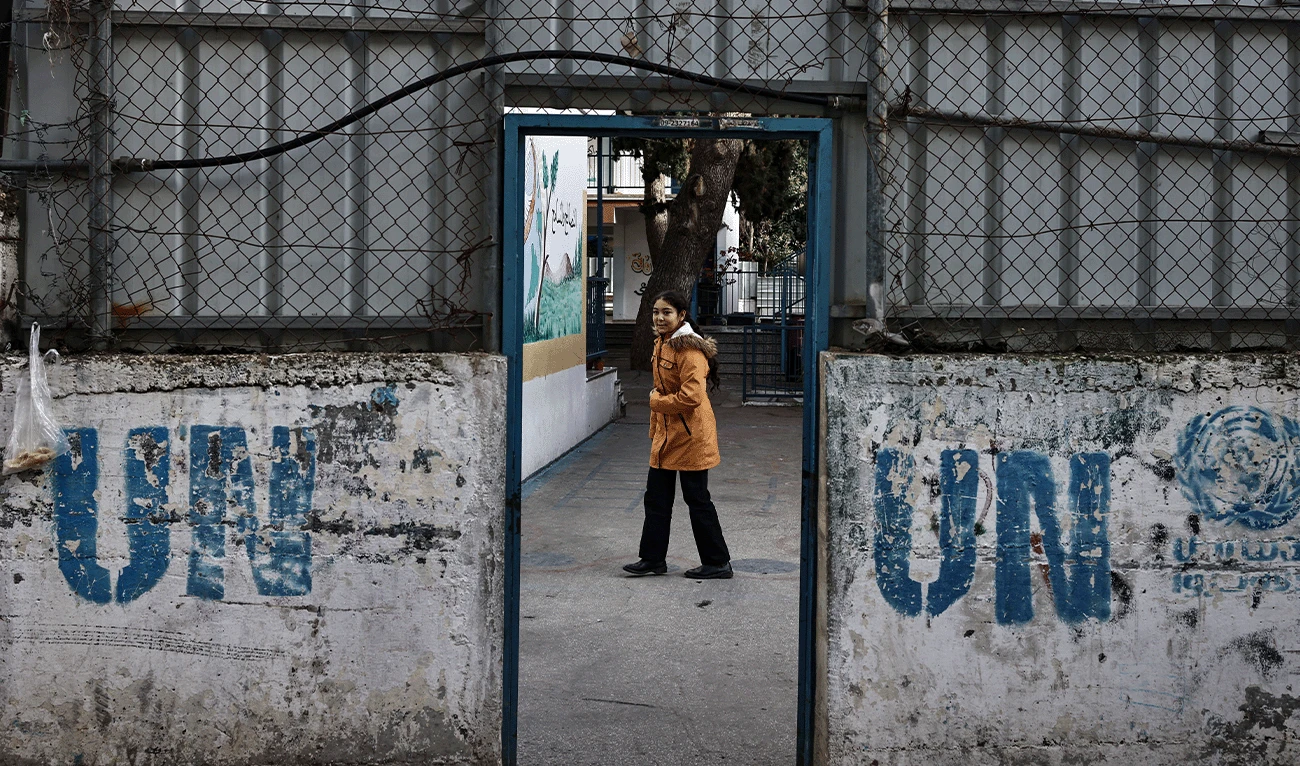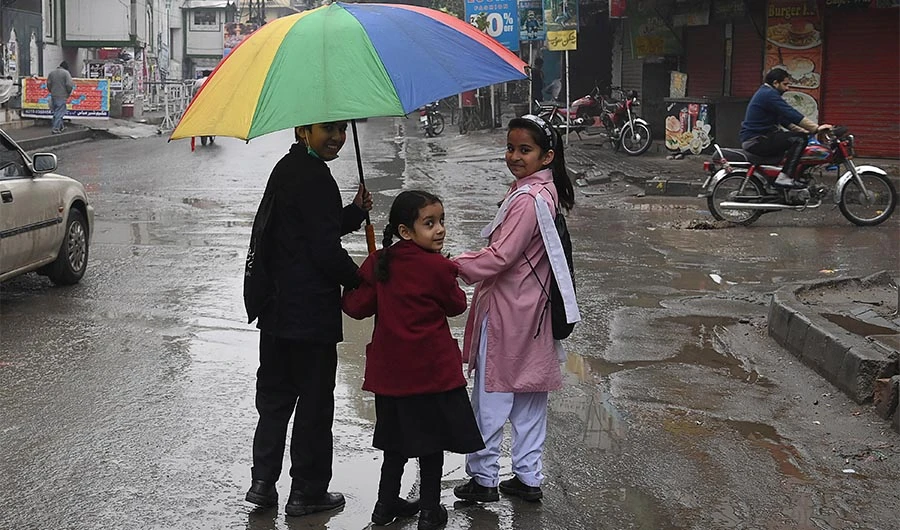
- Since April, Pakistan has been in the grips of an intense heatwave
- Pakistan is among the countries most effected by climate change
ISLAMABAD: After weeks of an intense heatwave, the Pakistan Meteorological Department (PMD) has cautioned all relevant departments to remain “alert” till Wednesday, tomorrow, as the country braces for stormy weather, an official advisory read, warning against land sliding in northern areas.
Since April, Pakistan has been in the grips of an intense heat wave, which touched highs of 47 degrees Celsius (116.6 Fahrenheit) in parts of the country. But PMD said on Monday a new weather system had entered the upper and central parts of the country on Monday, causing rain and windstorms, and thundershowers in several parts of the country.
“All civic agencies/rescue services to remain alert during the advisory period [until June 22] to respond to any unforeseen situation,” PMD said in an alert issued on June 19, urging people to avoid unnecessary movement in threatened areas, especially tourist spots and low-lying areas.
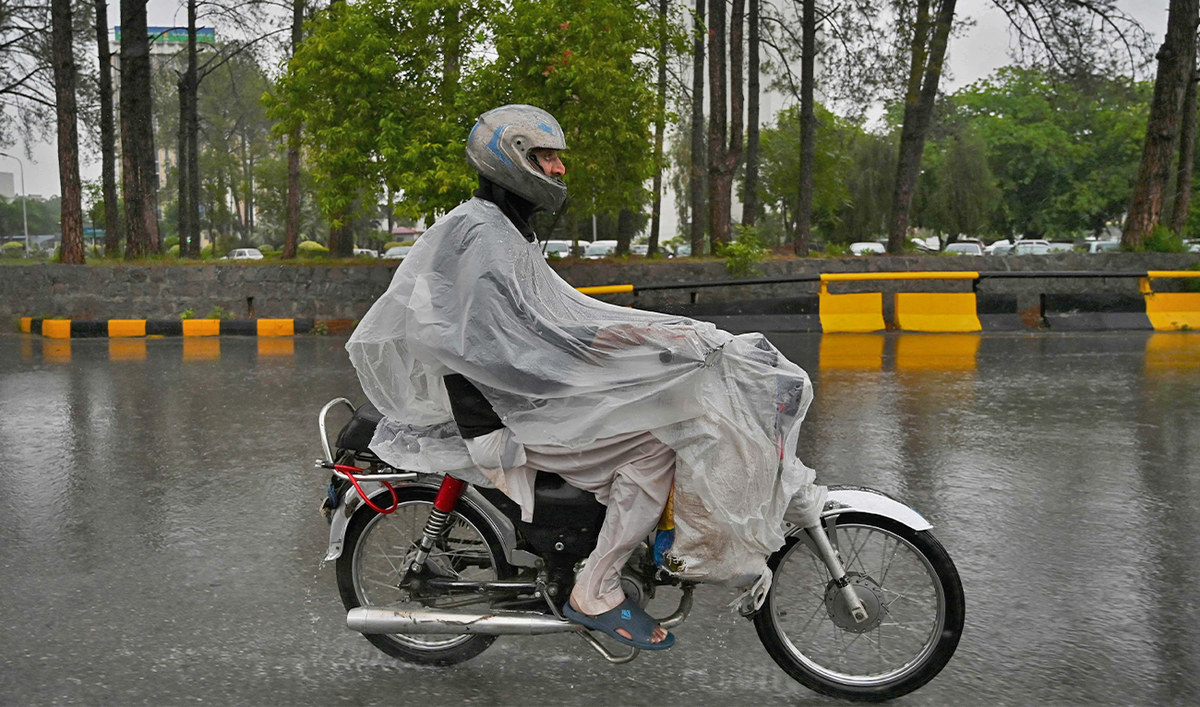
“Widespread rain-windstorms / thundershower with scattered heavy to very heavy falls and isolated hailstorms expected in Islamabad from Monday, 20 June – Wednesday, 22 June,” PMD said. “Heavy downpours may cause urban flooding during the forecasted period.”
“Heavy falls may trigger land sliding in vulnerable areas of Khyber Pakhtunkhwa, Galiyat, Giligit-Baltistan, and Azad Jammu & Kashmir during the forecasted period,” PMD warned. “Heavy falls may generate flash flooding in local nullahs/rivers of Northeast Balochistan, Khyber Pakhtunkhwa, Punjab, Gilgit-Baltistan, and Azad Jammu & Kashmir.”
PMD asked all departments to monitor the situation and remains in coordination with provincial disaster relief authorities.
Pre-monsoon rains have long been a regular threat to the South Asian country, but climate change impacts have increased their frequency and unpredictability over the past few years. Pakistan is among the countries most effected by climate change, with more than a billion people at risk of heat-related impacts in Pakistan and India combined, scientists have warned.