- Pakistan has been reeling under intense heatwave with temperatures rising up to 47°C
- People asked to avoid unnecessary exposure to sunlight, take precautionary measures
ISLAMABAD: After the hottest March in 61 years, a Pakistani regional monitor on Friday warned of a severe heatwave in the country’s northwest, asking people to avoid unnecessary exposure to direct sunlight.
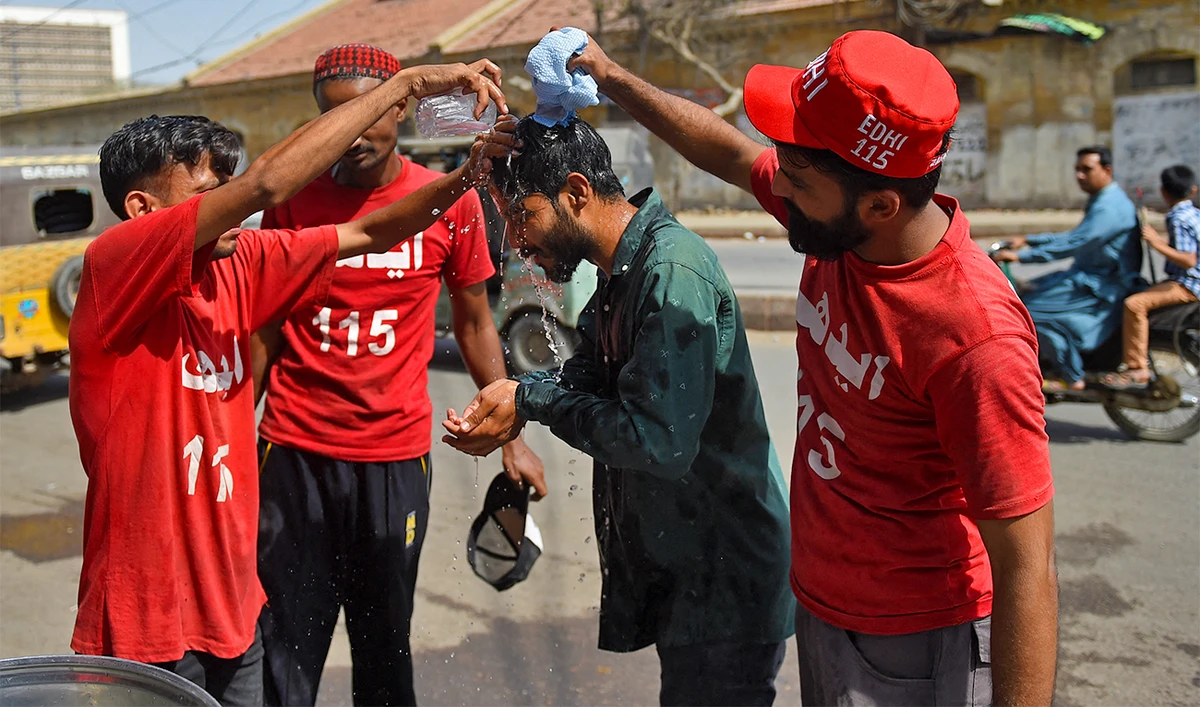
Pakistan has been under an intense heat wave since late last month, with temperatures soaring as high as 47 degrees Celsius (116.6 Fahrenheit) in parts of the country.
Scientists have warned more than a billion people have been at risk of heat-related impacts in South Asia, linking the early onset of an intense summer to climate change, while for the first time in decades, Pakistan has gone from winter to summer without the spring season.
The regional met office in the northwestern Pakistani city of Peshawar has informed of a “high pressure system” to prevail in the region over the next week.
“Under the influence of this system the day temperatures are likely to increase gradually in most parts of the province, especially in the southern parts from Sunday,” it said.
“Day temperatures (maximum temperatures) are likely to remain 7-9°C above normal in most districts of Khyber Pakhtunkhwa (KP).”
Pakistan recorded the month of March to be the hottest since 1961, cording to the country’s climate change minister Sherry Rehman.
The provincial disaster management authority (PDMA) in Khyber Pakhtunkhwa province said very hot and dry weather conditions could cause heat stroke, and stress on water reservoirs, crops and orchards.
It asked health services, paramedics and the rescue department to set-up heat stroke centers in the province. In case of any occurrence, the PDMA said, updates could be shared on its helpline 1700, which was active round the clock.
Pakistan has witnessed an uptick in the number of heatwaves in recent years.
In 2015, an intense heatwave had perished over 1,100 people in the country, mostly around the port city of Karachi during the Islamic fasting month of Ramadan.