- Vessel reaches Port Qasim to discharge spot cargo shipment from QatarEnergy, says official
- Maritime trade in Strait of Hormuz has remained mostly suspended as Iran-US fighting intensifies
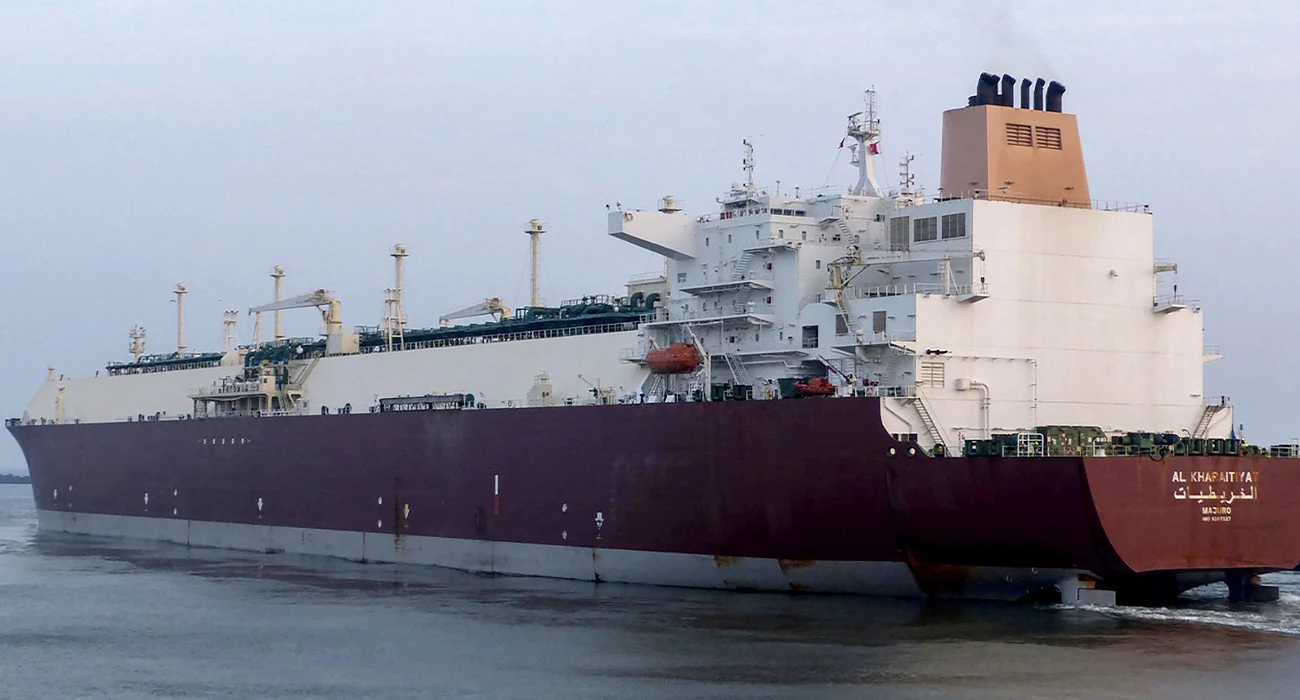
ISLAMABAD: A tanker carrying liquefied natural gas (LNG) from Qatar arrived at Pakistan’s Port Qasim on Thursday after crossing the Strait of Hormuz, an official said, easing Islamabad’s gas supply concerns as fighting between the United States (US) and Iran in the Middle East continues.
Asad Warsi, a spokesperson for the Port Qasim Authority, had told Arab News this week that Bahamas-flagged carrier Al Marrouna is scheduled to arrive at the Pakistani port on Thursday. Pakistani media widely reported that the tanker was carrying approximately 81,936 metric tons of LNG from Qatar’s Ras Laffan terminal. It transited the Strait of Hormuz on Sept. 7 under a government-to-government arrangement between Islamabad and Doha, local media said.
The tanker arrives in Pakistan as fighting between the US and Iran intensifies in the Middle East. Pakistan is feeling the brunt of the war in the form of elevated fuel prices, as it imports most of its fuel supplies from the Middle East through the Strait of Hormuz. Iran has virtually closed the strait since its war with the US began in February, straining fuel supplies worldwide and driving oil prices higher globally.
“The LNG tanker Al Marrouna arrived in the morning,” Warsi said. “The vessel berthed at Port Qasim (Terminal 2) to discharge a spot cargo shipment from QatarEnergy.”
Pakistan typically requires four to five LNG cargoes each month between April and August to keep its roughly 5,000-megawatt LNG-fired power plants operating. The South Asian nation received its last LNG cargo from Qatar in August, which was the eighth ship to have arrived in the country since April.
Pakistan generates 24 percent electricity from hydel, 31 percent from coal, one percent from furnace oil, 22 percent from nuclear plants and 17 percent from gas, according to official figures.
The strain in gas supplies has affected Pakistan, forcing Islamabad to carry out power outages lasting six to 12 hours in several parts of the country last month.
Pakistan has played a key role as a mediator between the US and Iran. Islamabad has sought to broker a lasting peace deal between the US and Iran since their interim truce collapse in July.