- Arab News sifts through 2019 events that represent the year from a more Pakistan-related perspective
- India’s lockdown of Kashmir dominated Pakistan’s international and domestic affairs
ISLAMABAD: The year 2019 was a year of conflict and triumphs, smaller and bigger, which changed the lives of many, giving hope to some and taking it away from others. Sifting through these events, Arab News Pakistan picked those that represent the year from a more Pakistan-related perspective, which was colored by royal visits, marred by regional conflict, filled with high-profile court cases, and altered by mass rallies.
Royal guests
The year began with a high profile visit of UAE Armed Forces Deputy Supreme Commander Sheikh Mohammed bin Zayed Al-Nahyan, the crown prince of Abu Dhabi, in January to chalk out a comprehensive roadmap for cooperation with Pakistan.
In February, Crown Prince Mohammad bin Salman of Saudi Arabia arrived in Pakistan for a historic, highly anticipated, and closely monitored visit that resulted in significant investments and the strengthening of bilateral relationships.
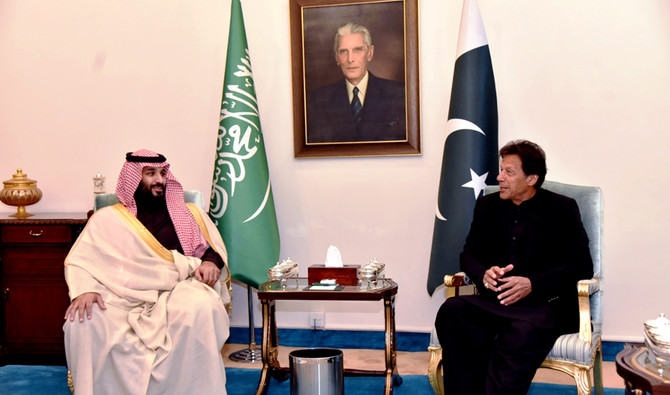
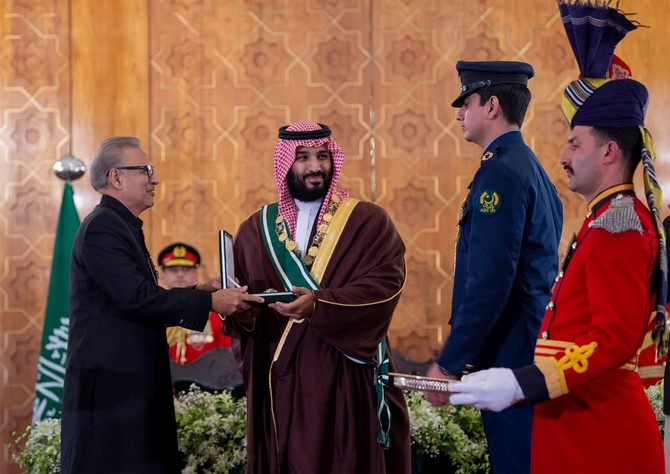
Mohammad bin Salman receives the Nishan-e-Pakistan from President Arif Alvi in Islamabad on Feb. 18, 2019. (SPA)
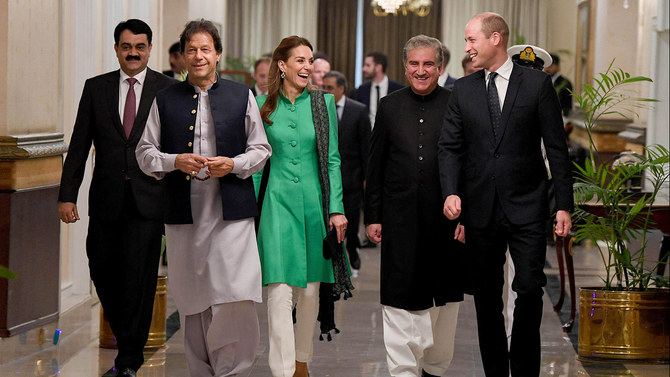
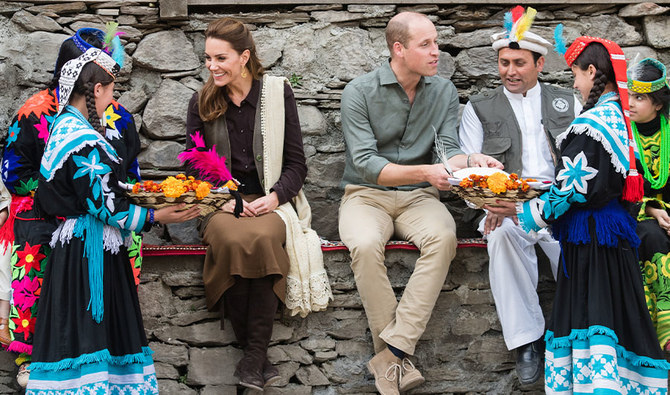
In October, another historic visit took place when the duke and duchess of Cambridge, Prince William, and Kate Middleton, made the first royal arrival from the United Kingdom in 13 years. From their fashion preferences and tourism choices, to brief cricket appearances, the visit made countless headlines all over the world.
Balakot airstrike and Abhinandan Varthaman
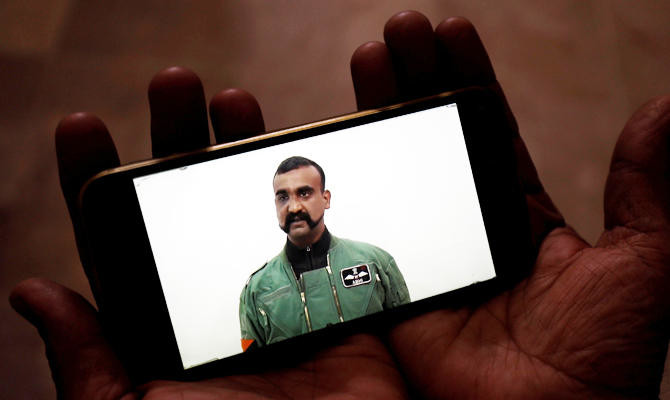
When Indian warplanes crossed the border and dropped bombs near the town of Balakot in Khyber Pakhtunkhwa, there were, fortunately, no casualties. While the warplanes destroyed a number of trees, they also left one pilot behind. Wing Commander Abhinandan Varthaman, the owner of perfectly stylized mustache, was taken prisoner in the most becoming way. He was sent home in an act of goodwill from the Pakistani government and has been remembered for viral video footage in which he was seen exchanging courtesies over a cup of tea with Pakistani officers.
Kashmir
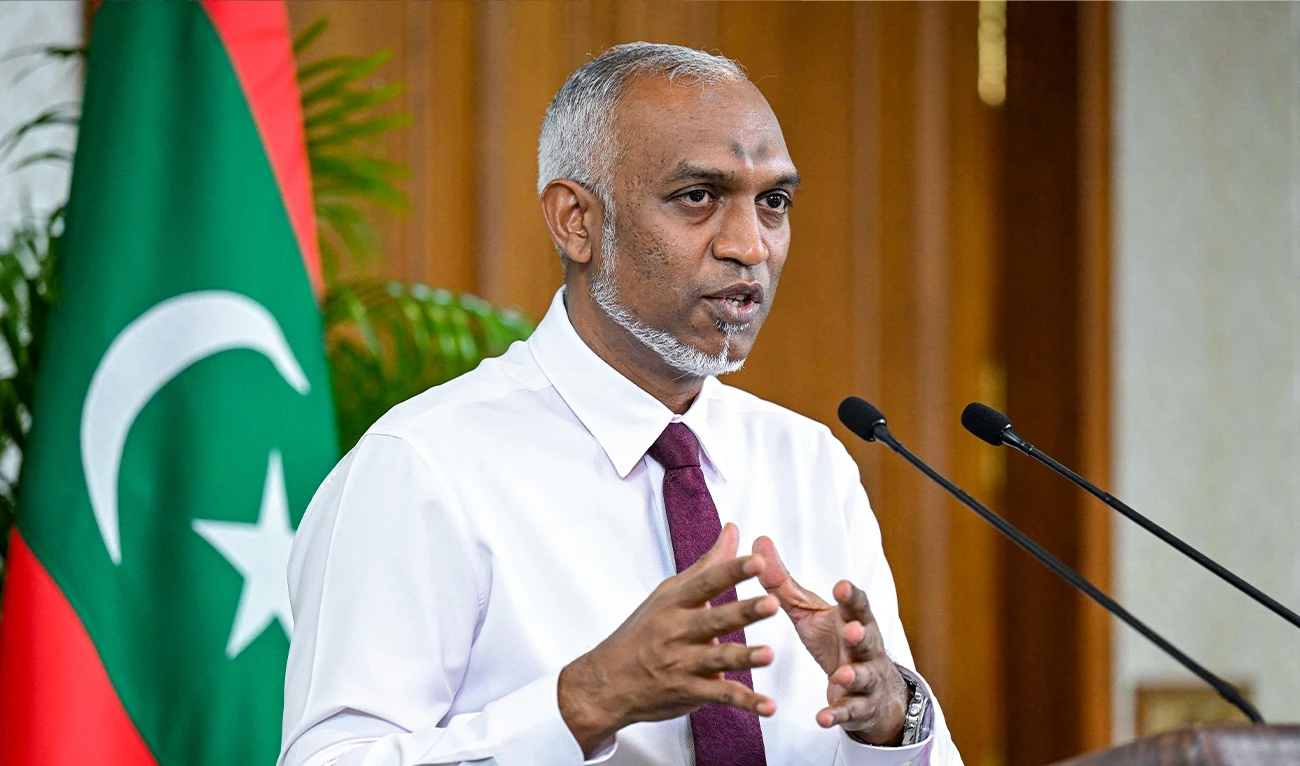
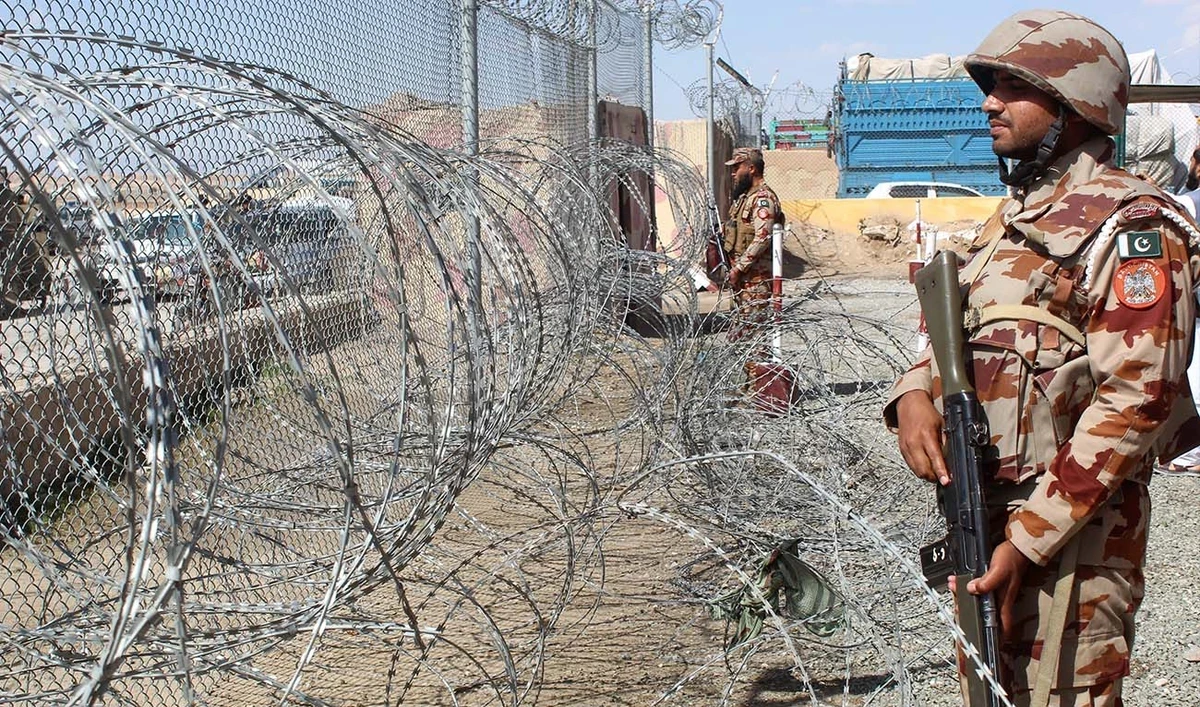
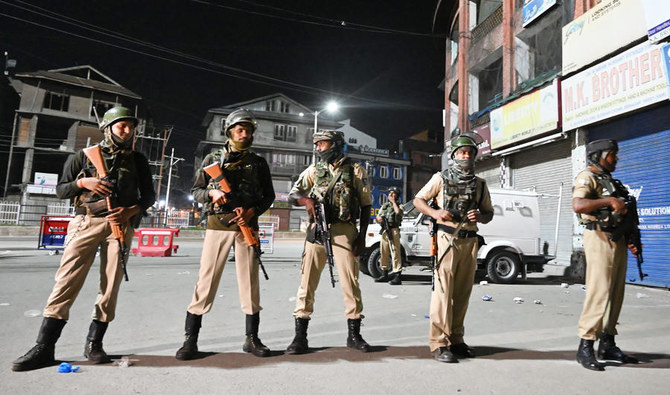
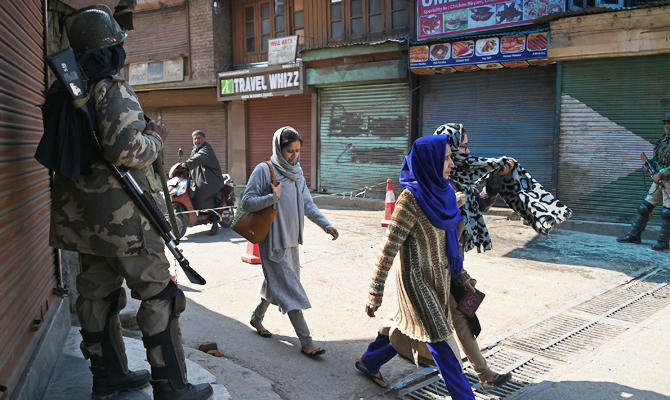
The Indian government’s decision on Aug. 5 to scrap Article 370 of the constitution, which granted the Indian-administered region of Kashmir a special autonomous status was a major headline in Pakistan in 2019. Pakistani officials and activists have been vocal both on the international stage and on social media platforms, urging the UN and the Organization of Islamic Cooperation (OIC) to resolve the crisis and stop “mass human rights violations in the region.”
Kartarpur corridor
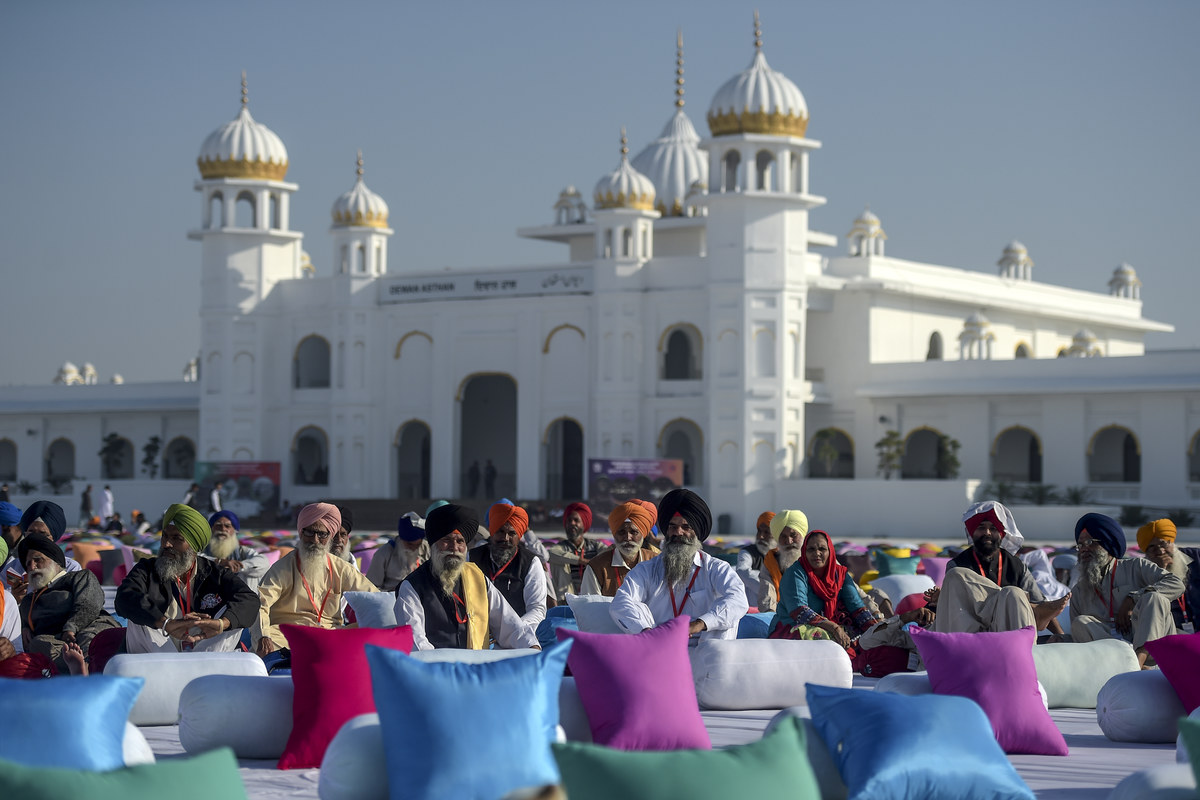
On Nov. 9, Pakistan opened the Kartarpur corridor to give Sikh pilgrims from India visa-free access to one of their holiest shrines, the Gurdwara Darbar Sahib. The move was lauded by the Sikh community, which in 2019 was celebrating the 550th birth anniversary of Guru Nanak, the founder of the Sikh religion.
Rallies
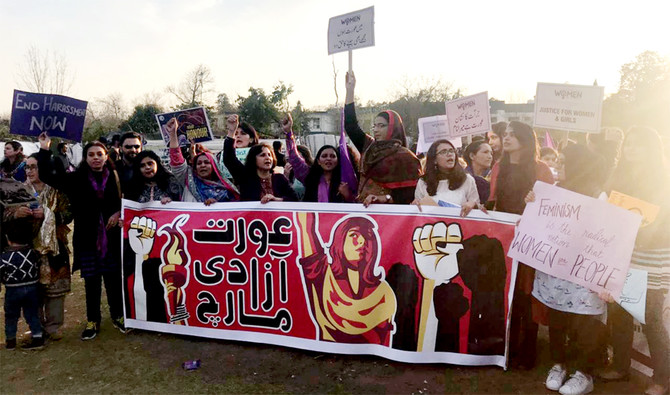
The Auratmarch, which takes place every year on International Women’s Day on March 8, brought thousands to demand what they referred to as “equality, justice, reform, and basic human rights.”
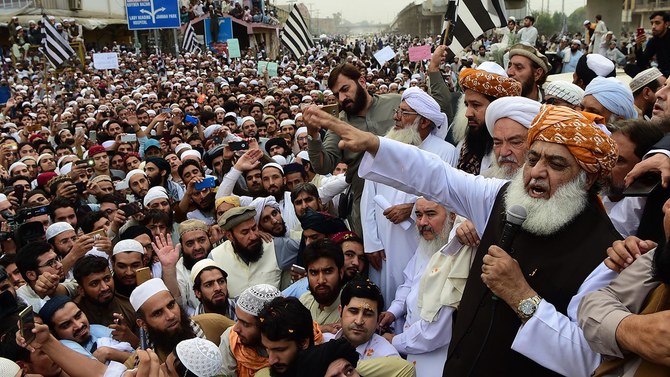
On Aug. 14, opposition leader Maulana Fazlur Rehman embarked on his nationwide Azaadi March, calling for the resignation of elected Prime Minister Imran Khan. Though ambitious, the march which closed down some of Islamabad’s roads, eventually ended quietly with Rehman’s demands apparently unsatisfied. The organizer said, however, it was not the end and the march would continue, which possibly something to be expected in 2020.
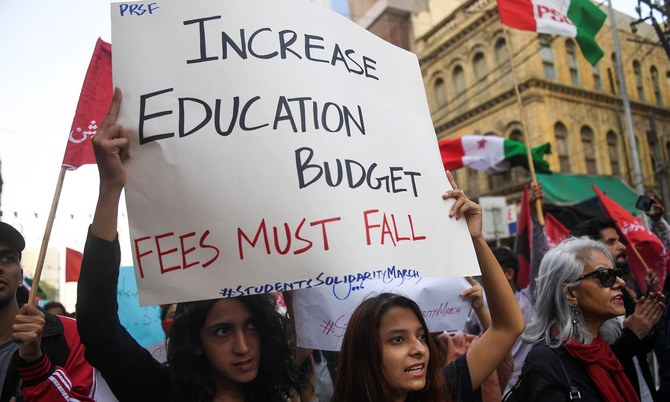
The nationwide Students Solidarity March took place on Nov. 29 on campuses across the country, with thousands of young people coming to the streets, demanding better education, and calling for the restoration of their right to form unions and hold elections in colleges and universities.
World leaders
PM Khan met US President Donald Trump in Washington in July to refresh and repair bilateral ties. The visit was widely considered one of the most important foreign affairs tours since Khan’s rising to power in 2018.
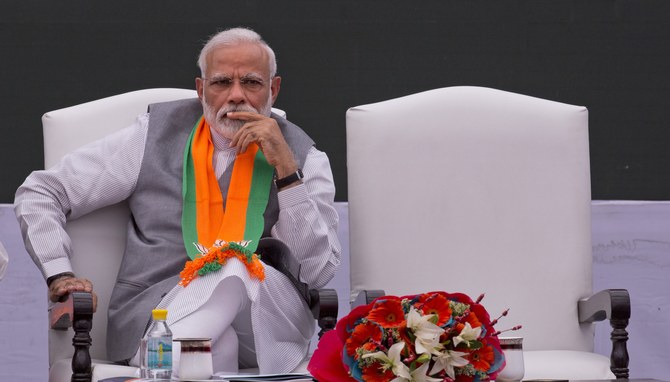
Narendra Modi, the prime minister of India, made regular appearances in Pakistani media headlines during 2019, mainly due to a series of regulations passed by his government, which have been seen as anti-Muslim. From the annexation and siege of Kashmir in August to the latest citizenship laws that discriminate against the country’s Muslim population.
PTI cabinet reshuffle
While among Pakistani politicians Imran Khan is most often seen in our headlines as prime minister, this year members of his cabinet also got their share. Finance Minister Asad Umer stepped down in April following an eye-bulging surge in the price of the dollar. Fawad Chaudhry who led the Ministry of Information and Broadcasting became the Federal Minister for Science and Technology. Many faces which earlier worked with former President Gen. Perves Musharraf replaced Khan’s team in one of the PTI cabinet’s reshuffles.
In courts
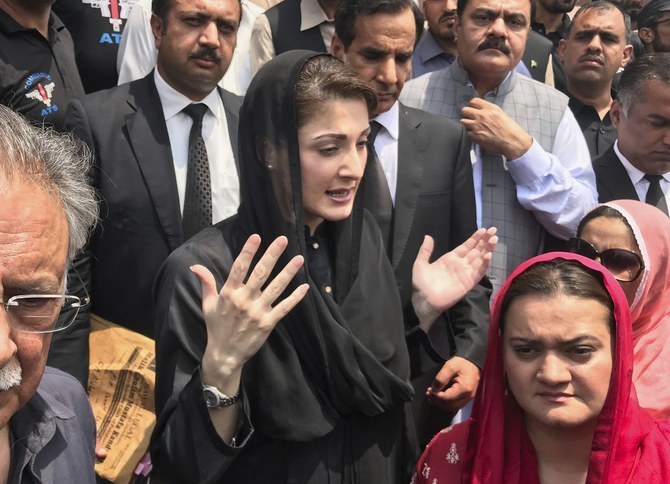
The Sharif clan spent the year getting in and out of jail, with Pakistan’s former premier and the family’s patriarch Nawaz being released on bail to seek medical treatment in London. The former premier’s daughter and his party’s leader, Maryam, along with her husband have been detained on corruption charges.
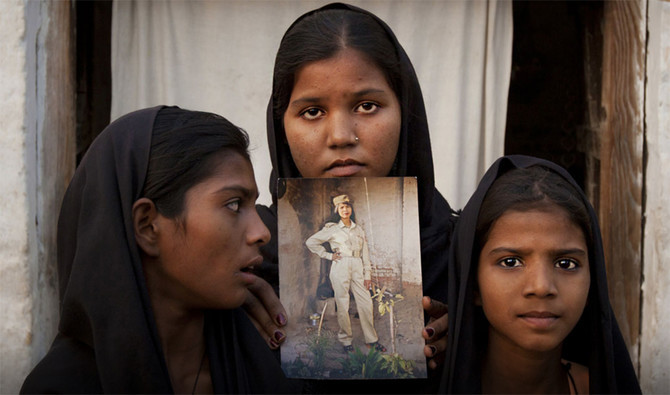
Asia Bibi, a Christian woman who was facing capital punishment in a blasphemy case, was acquitted and allowed to leave the country as the court’s decision to free her was followed by countless death threats.
University lecturer Junaid Hafeez, who has been kept in solitary confinement for six years, was sentenced to death in a controversial blasphemy case which attracted much condemnation both on the national and international levels.
A special court in December sentenced former president and military ruler Pervez Musharraf to death in absentia for high treason in a landmark ruling for a country where the military has been all-powerful.
Entertainers
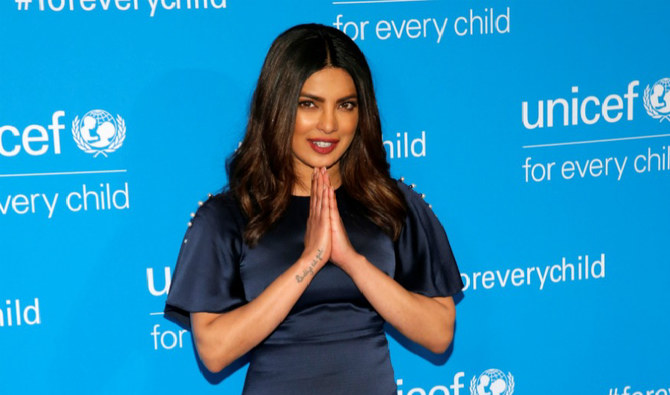
A Bollywood and Hollywood star, Priyanka Chopra, who is a UNICEF Goodwill Ambassador of Peace, won the top warmonger label of the year on social media for a series of viral comments which netizens criticized as supporting armed conflict between Pakistan and India.
Meesha Shafi and Ali Zafar who have been locked in a court battle over sexual harassment, have dominated headlines with each accusing the other of spreading false information and defamation.
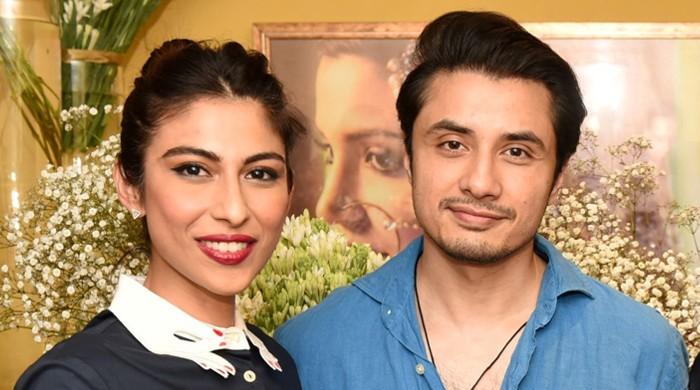
The #MeToo movement which made Shafi come forward and share her abuse story gained momentum when Lux Style Awards had Ali Zafar among its nominees. Model Emaan Suleman, director Jami, and many other celebrities chose to boycott the show for what they said was hypocrisy, as last year the event was claiming to support #MeToo.
Sports
In December, with the arrival of the Sri Lankan cricket team, Pakistan celebrated the return of test cricket after over 10 years. International cricket was suspended in Pakistan following an attack on the Sri Lankan team’s bus in 2009.
Debates
A moon-sighting spat between Science and Technology Minister Fawad Chaudhry and the country’s powerful clerics who have traditionally used telescopes to sight the moon during Ramadan marred Eid Al-Fitr celebrations.
A legal wrangle over Pakistan army chief’s tenure extension became the center of a nationwide political debate after the country’s top court suspended the first extension, pointing out procedural flaws. After the government made assurances satisfying presiding judges, the court granted a six-month extension to army chief Gen. Qamar Javed Bajwa’s term.