World Humanitarian Day, observed annually on Aug. 19, reminds us that humanitarian action is neither merely a temporary response to crises nor a passing charitable endeavor. Rather, it is a genuine expression of the highest values that unite humanity: compassion, solidarity and respect for human dignity.
In a world where armed conflicts continue to spread and the effects of natural disasters, climate change, poverty and displacement are becoming increasingly severe, millions of people are in urgent need of food, water, medicine, shelter and protection. Behind every reported figure of casualties or displaced persons lies a complete human life: a child deprived of education, a mother searching for food for her children, a patient awaiting life-saving medicine or a family that has lost its home, security and everything it once possessed.
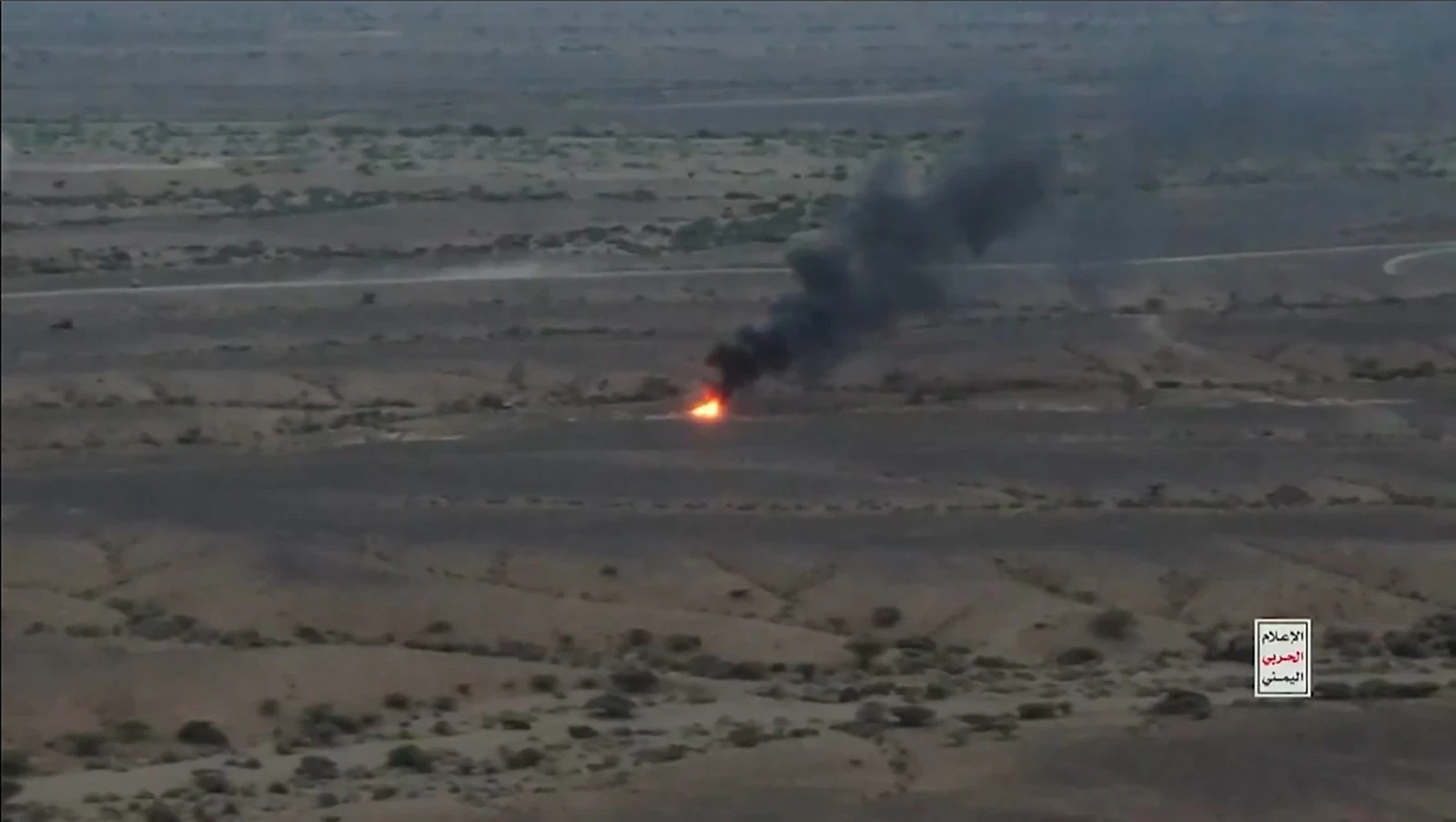
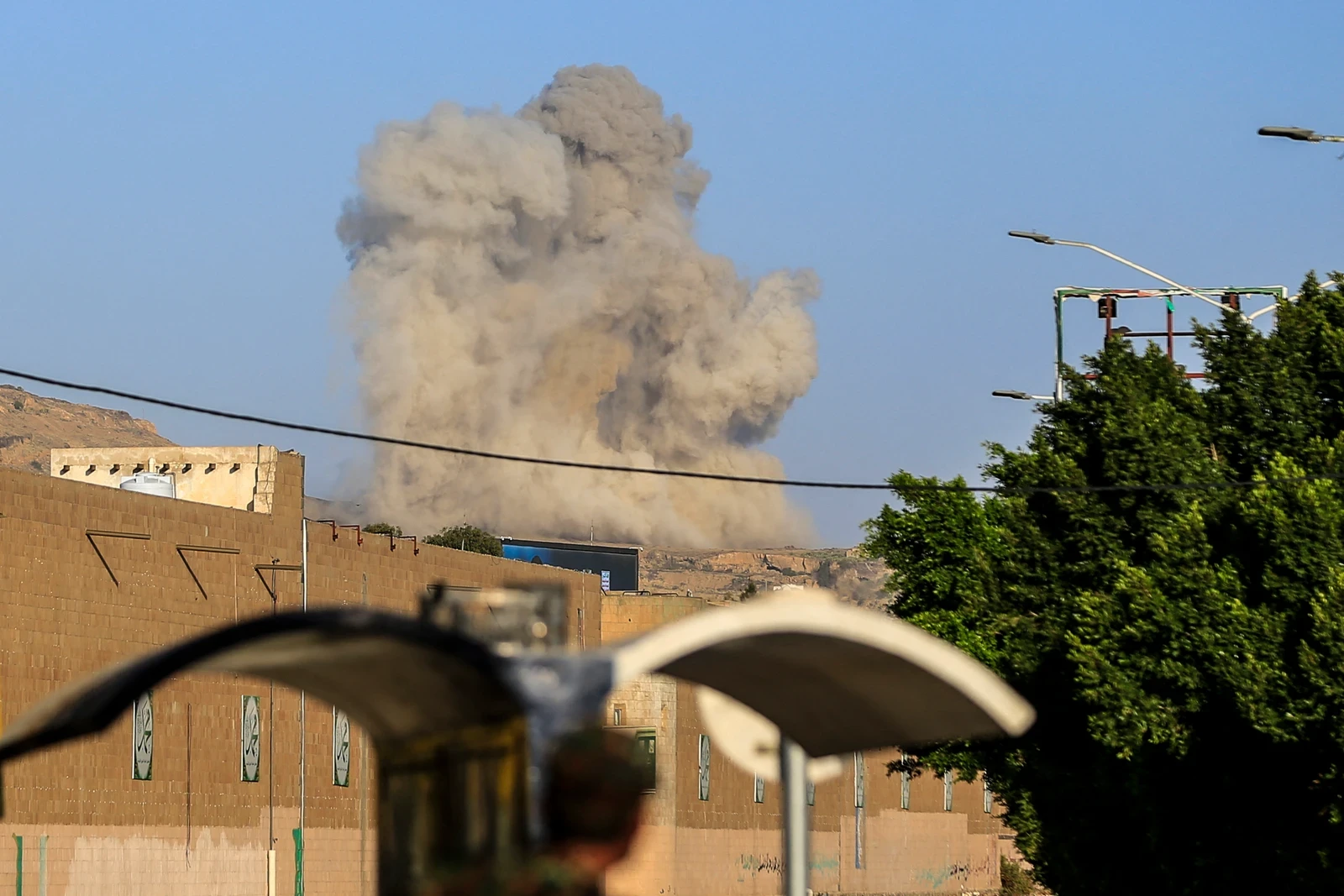
From Gaza, where civilians are enduring a devastating humanitarian tragedy amid bombardment, blockade and displacement, to other regions affected by crises and conflicts around the world, the same painful scenes are repeated. Civilians — particularly children, women and the elderly — remain the most vulnerable and continue to pay the heaviest price. Under such circumstances, humanitarian assistance is neither a luxury nor an act of favor; it is a fundamental right and an urgent necessity that must never be delayed or politicized.
On this occasion, we express our profound appreciation and respect for humanitarian workers who have chosen to serve on the front lines, standing close to the wounded, the hungry, the displaced and all those affected by crises. They work under extraordinarily difficult conditions, often risking their own lives to save the lives of others. Some have lost their lives in the course of their mission, while others have continued their work despite fear, bombardment and scarce resources.
Honoring these individuals requires more than words. It demands that they be afforded legal and physical protection, that the emblems and premises of humanitarian organizations be respected, and that their safe and unhindered access to people in need be guaranteed. Targeting humanitarian workers, obstructing the delivery of aid or using food and medicine as instruments of pressure or punishment violates international humanitarian law and contradicts the most basic human and moral values.
Genuine humanitarian action is founded on clear principles: humanity, neutrality, impartiality and independence. Assistance must therefore reach people because they need it, regardless of their gender, religion, ethnicity or political affiliation. A hungry child should not pay the price for a conflict in which they had no part. A patient must not be denied treatment because of their geographical location or identity and unarmed civilians must be protected under all circumstances.
Yet humanitarian response, however essential, cannot end human suffering on its own. Assistance may alleviate pain but it cannot address the root causes of conflict or prevent crises from recurring. The international community therefore bears a responsibility to work seriously to prevent wars, resolve disputes through peaceful means, uphold international law, ensure accountability for its violations and invest in sustainable development and resilient communities.
Saudi Arabia has made assisting those in need and supporting affected populations a consistent pillar of its policies.
Dya-Eddine Said Bamakhrama
The decline in humanitarian funding at a time of growing needs also represents a serious challenge. Humanitarian organizations cannot fulfill their missions without adequate and sustainable resources, nor should the suffering of peoples be subjected to selective international attention or political and media calculations. Every victim deserves attention and every human life has equal value, whether it is placed in the spotlight or its suffering remains far from the world’s cameras.
Throughout history, the peoples of our region have upheld the values of solidarity, assisting those in distress and supporting those in need. These principles, deeply rooted in our cultures and faiths, place upon us an even greater responsibility to work together — as governments, institutions, communities and individuals — to promote a culture of solidarity, support humanitarian initiatives and strengthen regional and international partnerships that are capable of responding swiftly and effectively to crises.
By virtue of its location in a region that has experienced successive waves of displacement and humanitarian crises, the Republic of Djibouti has consistently maintained that humanitarian solidarity is not merely a slogan but a moral and practical commitment. Within the limits of its resources, Djibouti has opened its doors to refugees and displaced persons and contributed to efforts aimed at promoting security and stability, guided by the firm conviction that protecting people and preserving their dignity are essential foundations for genuine and lasting peace.
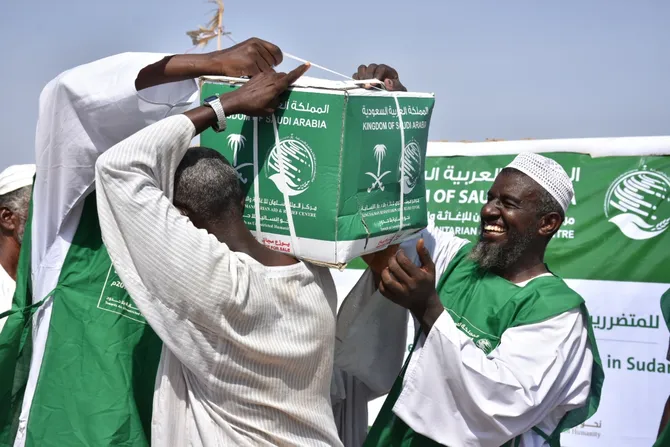
In this context, the leading humanitarian role of Saudi Arabia stands out. The Kingdom has made assisting those in need and supporting affected populations a consistent pillar of its policies and international engagement. KSrelief is at the forefront of Saudi Arabia’s humanitarian institutions, implementing significant programs and projects in the fields of food security, healthcare, shelter, water and education, while supporting refugees and displaced persons and responding to disasters and crises across the world, without discrimination on the grounds of religion, ethnicity or geography.
Alongside KSrelief, numerous Saudi institutions play important roles in supporting affected communities and strengthening their ability to recover and withstand future crises. These efforts embody the Kingdom’s deeply rooted values and demonstrate that Saudi humanitarian action extends beyond the delivery of emergency assistance to encompass human development, sustainable progress and the preservation of human dignity wherever people are in need.
World Humanitarian Day is therefore not merely an occasion for commemoration. It is an appeal to the conscience of the world: to end wars, protect civilian lives, open safe corridors for humanitarian assistance and ensure that no one is left alone to face hunger, illness or fear.
On this day, we renew our tribute to everyone who extends a helping hand to those in need and to every doctor, nurse, paramedic, volunteer and humanitarian worker serving others under the most difficult circumstances. We also honor the memory of those who lost their lives while carrying out this noble mission.
Humanity is not measured by what we say in times of peace and prosperity but by what we do when others are suffering. Humanitarian action is not solely the responsibility of those working in the field; it is a shared responsibility, because saving even one human life is a victory for humanity as a whole.
• Dya-Eddine Said Bamakhrama is Ambassador of the Republic of Djibouti and Dean of the Diplomatic Corps in the Kingdom of Saudi Arabia.
X: @dya_bamakhrama