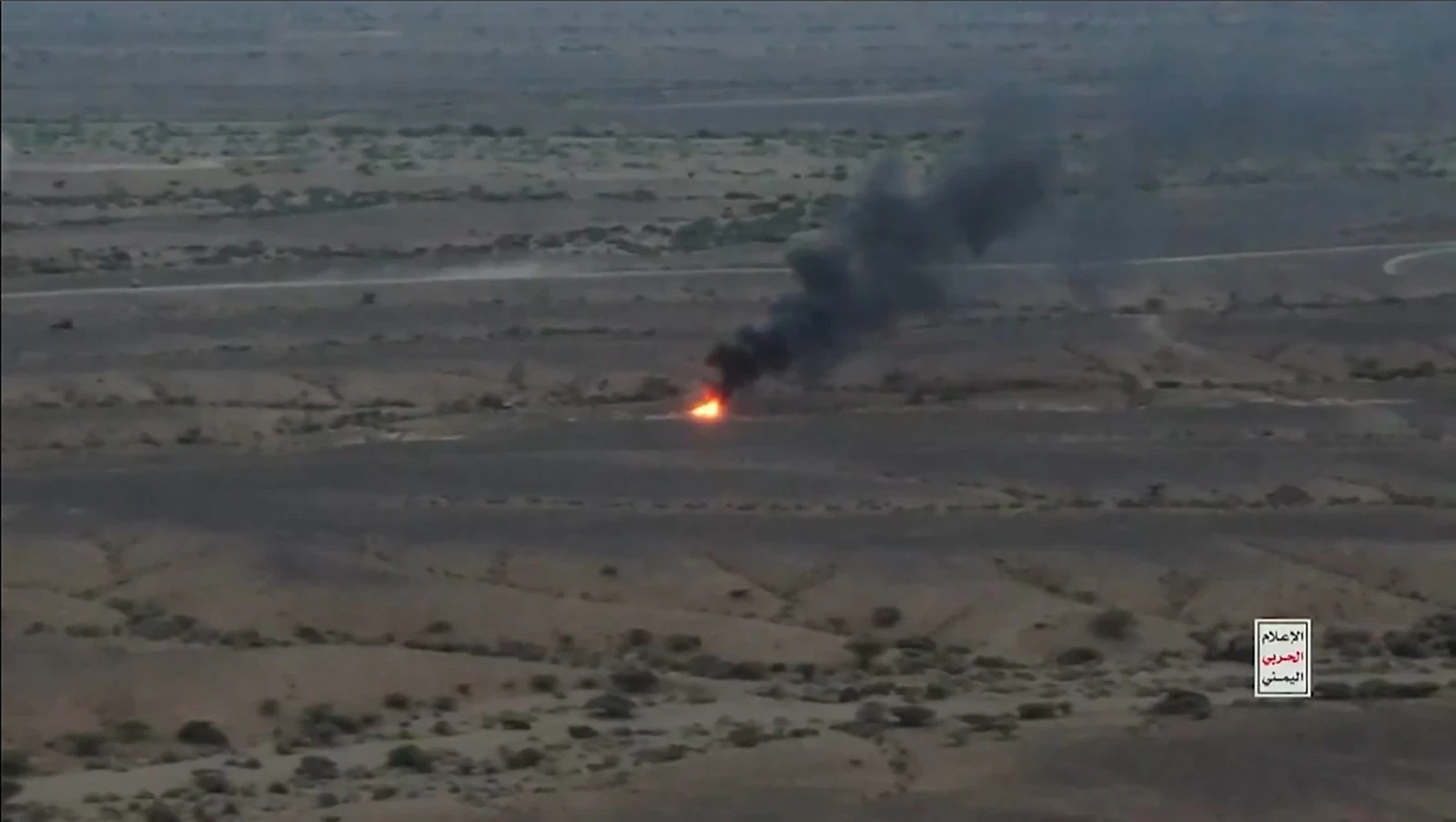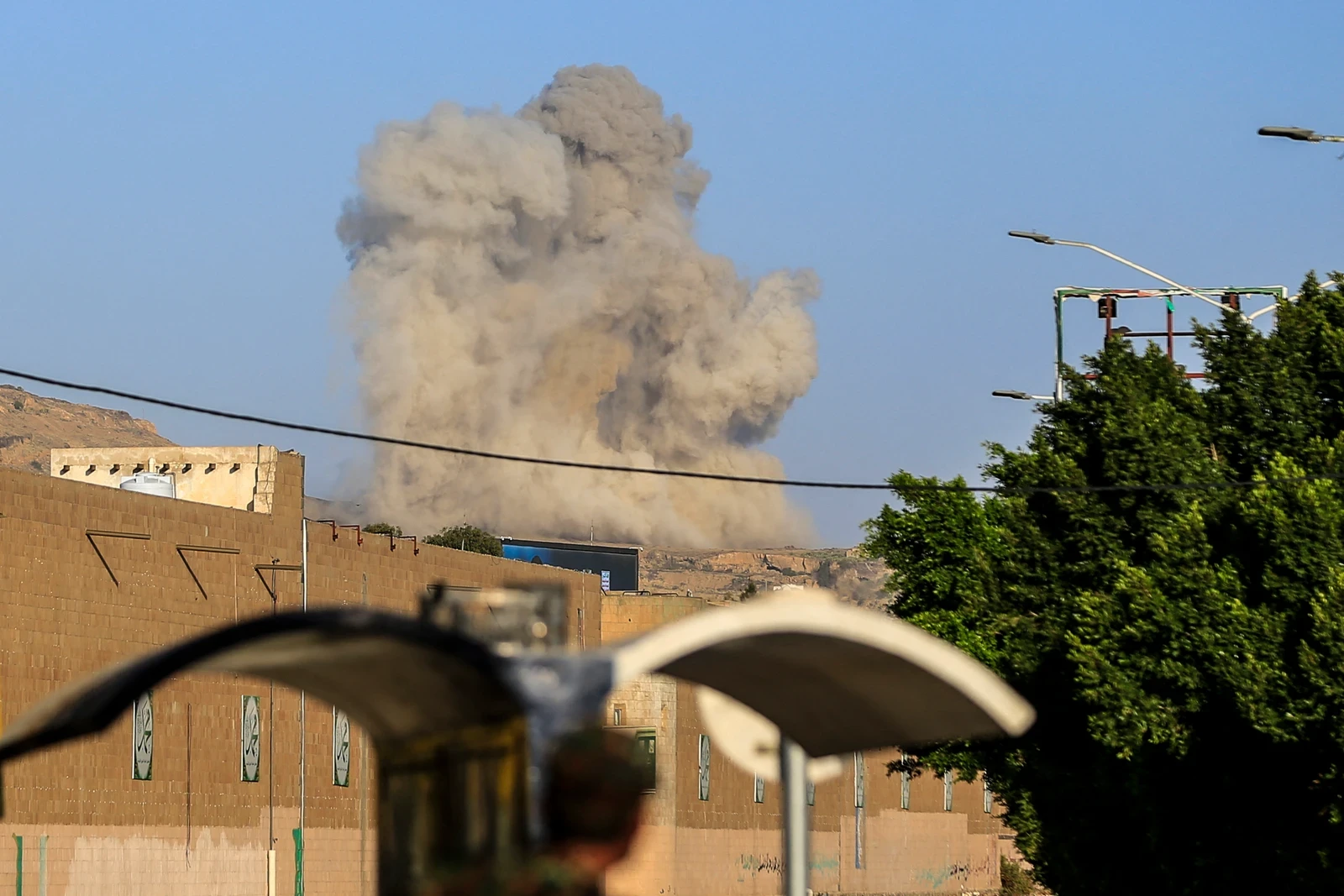
The outbreak of conflict in the Middle East in 2026 posed one of the most significant external challenges to the regional and global economy.
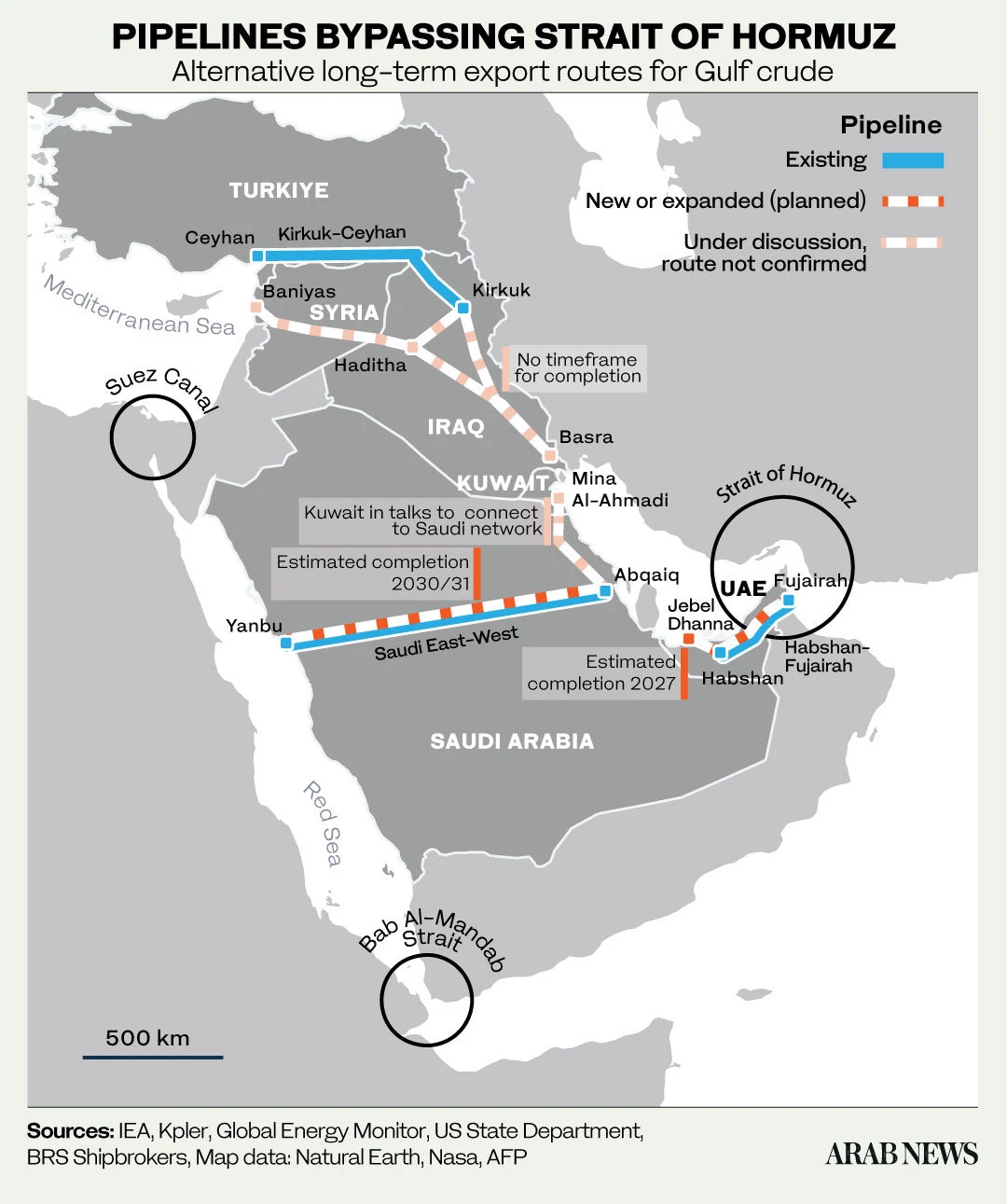
Disruptions to shipping through the Strait of Hormuz — a critical artery for global energy supplies and international trade — strained supply chains, unsettled energy markets, weakened investor confidence and heightened uncertainty across the region.
As one of the world’s leading energy producers and a major logistics hub, Saudi Arabia was directly exposed to these developments. Yet, against this challenging backdrop, the International Monetary Fund’s 2026 Article IV consultation found that the Kingdom had demonstrated remarkable resilience, underpinned by sound macroeconomic fundamentals, prudent policymaking and the continued implementation of Vision 2030 reforms.
One important source of this resilience was Saudi Arabia’s diversified energy and logistics infrastructure. When maritime traffic through the Strait of Hormuz was disrupted, the Kingdom was able to redirect a significant share of its oil exports through the East-West Pipeline to ports on the Red Sea.
Together with modern port facilities and logistics networks, this alternative export route helped sustain flows to international markets, support global energy supplies and mitigate the economic impact of regional disruptions.
Saudi Arabia also maintained substantial reserves of essential commodities and significant foreign assets. The Saudi Central Bank’s net foreign assets reached SR1.8 trillion ($488 billion) at the end of May 2026, equivalent to approximately 14 months of imports. This provided a substantial external buffer against prolonged disruptions. Combined with timely government measures to ease supply bottlenecks, these financial resources helped reinforce confidence in the Kingdom’s ability to withstand external shocks.
The IMF also highlighted the strength of Saudi Arabia’s macroeconomic performance. Overall GDP grew by 4.6 percent in 2025, while non-oil GDP expanded by 4.2 percent, underscoring the continued progress of economic diversification despite a challenging regional environment.
The banking sector remained particularly resilient. The average total capital adequacy ratio reached 20.5 percent, while the Tier 1 capital ratio stood at 18.8 percent. At the same time, the non-performing loan ratio declined to 1 percent of total loans, its lowest level since 2009.
Strong capital and liquidity buffers, a large domestic depositor base and prudent lending practices have strengthened the banking sector’s capacity to withstand geopolitical and economic shocks.
The IMF also reaffirmed its support for Saudi Arabia’s exchange-rate regime, noting that the riyal’s peg to the US dollar remains an appropriate and credible anchor for monetary policy and financial stability.
Fiscal resilience is another key strength. Low public debt, substantial fiscal and foreign-asset buffers and strategic investments led by the Public Investment Fund have enhanced the Kingdom’s capacity to absorb external shocks while preserving fiscal flexibility.
Looking ahead, the IMF expects the recovery in both the oil and non-oil sectors to lift Saudi Arabia’s GDP growth to 5.5 percent in 2027, supported by continued investment and consumption.
Public debt remains sustainable, sovereign risk is low and Saudi Arabia continues to enjoy strong access to international capital markets. In 2025, the Kingdom’s bond issuances exceeded $60 billion, making it the largest bond issuer among emerging markets excluding China and the largest constituent of the J.P. Morgan EMBI Global Index.
Meanwhile, structural reforms under Vision 2030 have continued to produce tangible results. Inflation remained contained at 2 percent, while labor-market reforms contributed to record employment outcomes.
The unemployment rate among Saudi nationals fell to 6.3 percent, well below the original Vision 2030 target. Saudi women’s labor force participation also increased from 22.8 percent when Vision 2030 was launched to 34.5 percent in 2025, putting the Kingdom on a steady path toward its 40 percent target by 2030.
The IMF cited these developments as evidence that structural reforms are strengthening human capital, expanding economic participation and improving the Kingdom’s long-term growth prospects.
Broader social and economic reforms have also continued to advance. Homeownership among Saudi citizens rose to 66 percent, approaching the Vision 2030 target of 70 percent. Meanwhile, commercial registrations increased from 1.5 million in the second quarter of 2024 to 1.7 million in the same period of 2025, reflecting continued private-sector activity.
Looking ahead, the IMF expects the recovery in both the oil and non-oil sectors to lift Saudi Arabia’s GDP growth to 5.5 percent in 2027, supported by continued investment and consumption.
At the same time, the fund has emphasized the importance of sustaining reforms to improve the business environment, deepen capital markets, support small and medium-sized enterprises, strengthen governance, better align education with labor-market needs and accelerate the adoption of artificial intelligence.
The Public Investment Fund’s 2026-2030 strategy, with its greater emphasis on selective capital allocation and increased private sector participation, alongside the new national privatization strategy, is expected to reinforce these objectives.
Overall, the IMF’s assessment is clear: Saudi Arabia entered the regional crisis from a position of strength. Robust macroeconomic fundamentals, diversified infrastructure, substantial financial buffers and sustained structural reforms have given the Kingdom considerable capacity to absorb external shocks while maintaining economic stability.
The more significant takeaway, however, is that resilience is no longer based solely on the strength of the oil sector or the size of financial reserves. The transformation of the broader economy — through greater private sector participation, stronger labor-market outcomes, deeper capital markets and continued investment in infrastructure and human capital — is increasingly becoming a source of resilience in its own right.
That provides Saudi Arabia with a stronger foundation not only to navigate current regional uncertainty but also to sustain its long-term economic transformation under Vision 2030.
• Talat Zaki Hafiz is an economist and financial analyst. X: @TalatHafiz